




Your central gateway to the country’s finest experiences.

Turkish Cuisine
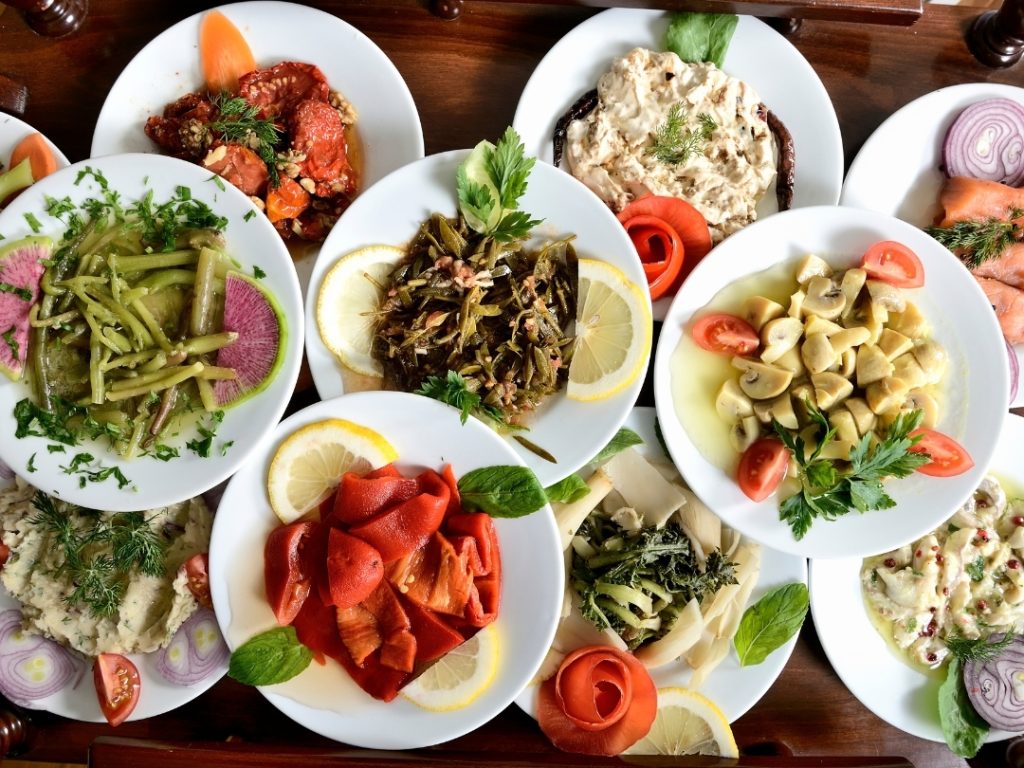
Turkish cuisine is a living mosaic that stretches from Ottoman palace kitchens to Aegean olive groves, each bite telling the story of caravans, sultans and grandmothers who still roll yoghurt by hand. From the sesame crackle of a fresh simit to the slow-smoke perfume of a shish kebab, every region adds its own spice, sea salt or mountain herb, turning Turkiye into a single, edible map.
On this page we slice that map into seven regional platters, spotlight seasonal ingredients that peak only a few weeks a year and pair pistachio-laced baklava with centuries-old wines. Whether you hunt for vegan street food in Istanbul or plan a truffle trail along the Black Sea, you’ll leave with a tailor-made tasting route through the most delicious Turkish Cuisine.
Turkish Cuisine
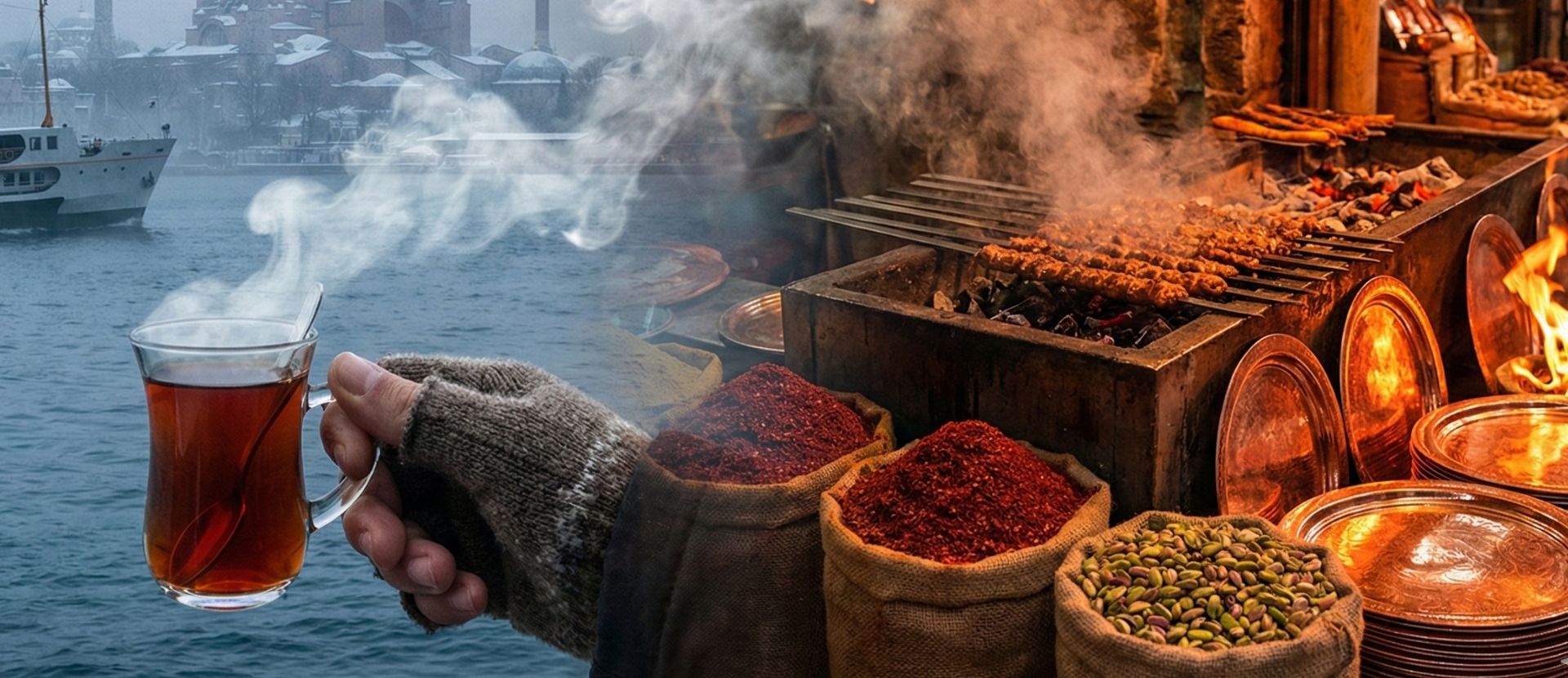
The Fire & Snow Expedition
Turkish cuisine is strictly seasonal, and the deep winter offers a rare privilege known only to locals: the “High Calorie Season.” As the temperatures drop, the flavors intensify—shifting from the velvet texture of the fatty Bosphorus Bluefish in Istanbul to the healing, spicy heat of the Southeast. This is our curated, 7-day itinerary designed to warm the spirit, connecting the misty fish markets of the North with the fiery copper kitchens of Mesopotamia.
 Winter Gastronomy Route
Fire & Snow: A Winter Gastronomy Route in Turkiye
Experience the great Turkish winter feast. A 7-day culinary journey from Istanbul's misty Bosphorus to Gaziantep's fiery kitchens with Winter Gastronomy Route.
Discover More →
Turkish Cuisine at a Glance
Start here and you’ll grasp Turkish cuisine in one breath: spices flow east to west, olive oil hugs the Aegean, copper pans sizzle in the south and syrupy desserts crown every table. Three fast cards below point you to kebab routes, vineyard roads and palace recipes so you can jump straight into the flavour that excites you most.
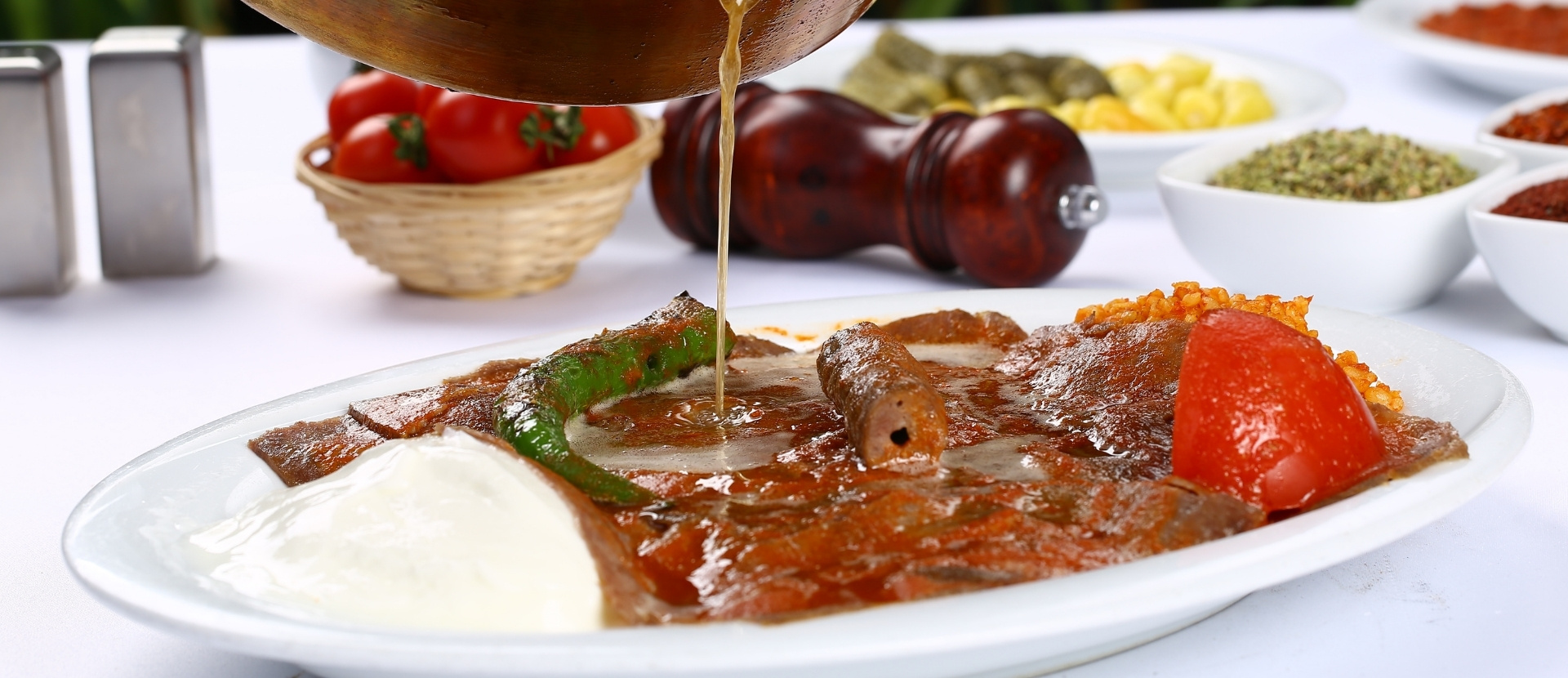
The Art of Fire & Meat
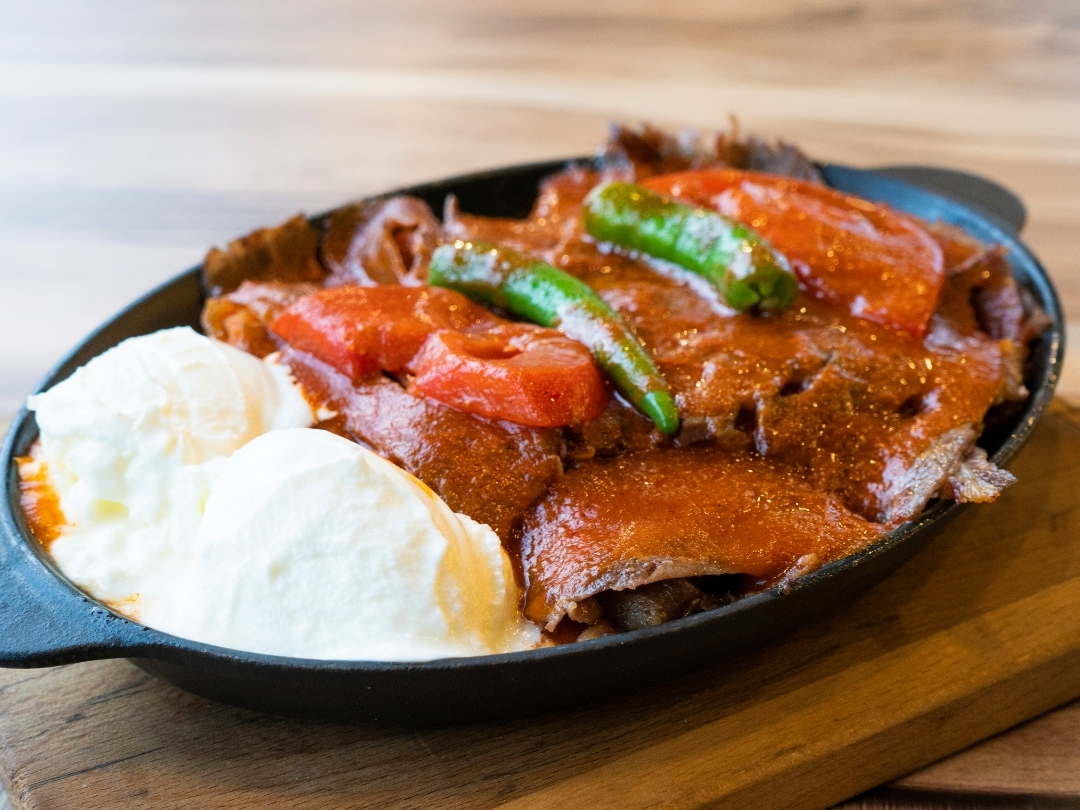
From Adana’s chilli-infused mince to İskender’s buttery tomato cascade, this is not just barbecue; it is a cult. Follow the smoke trails across the south-east, learn which cut demands oak versus olive embers, and discover why the true kebab culture is a ritual of patience and mastery.
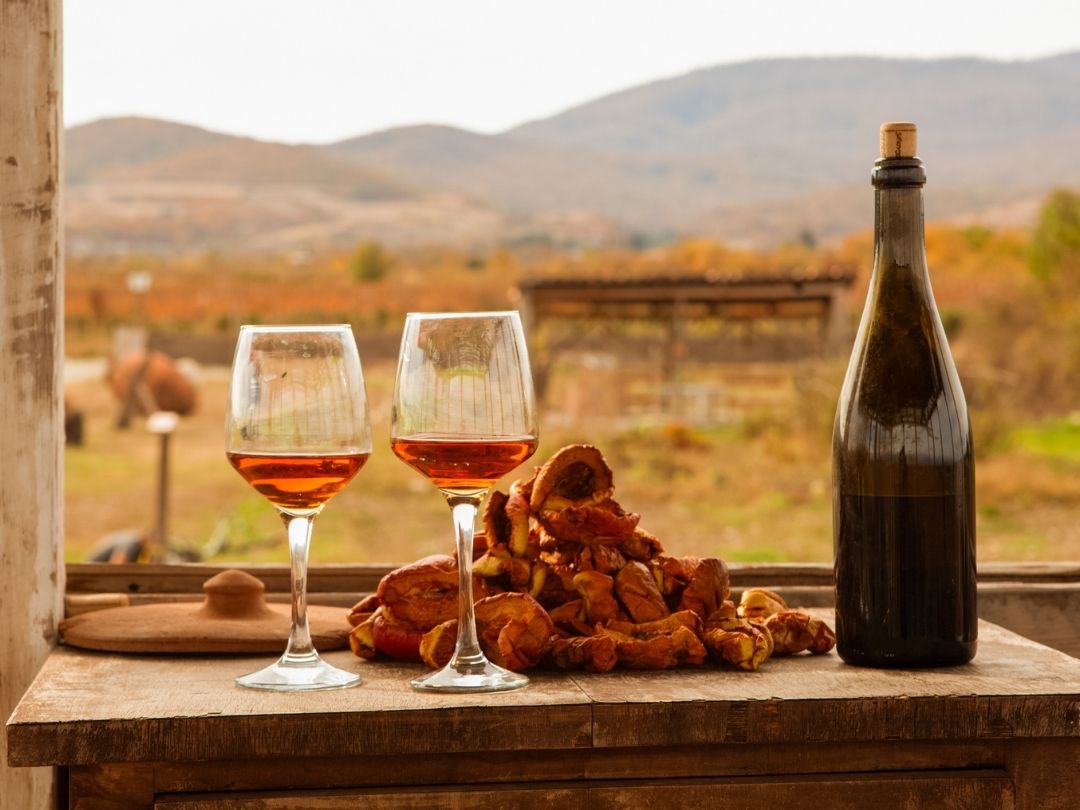
Vines of the Ancients
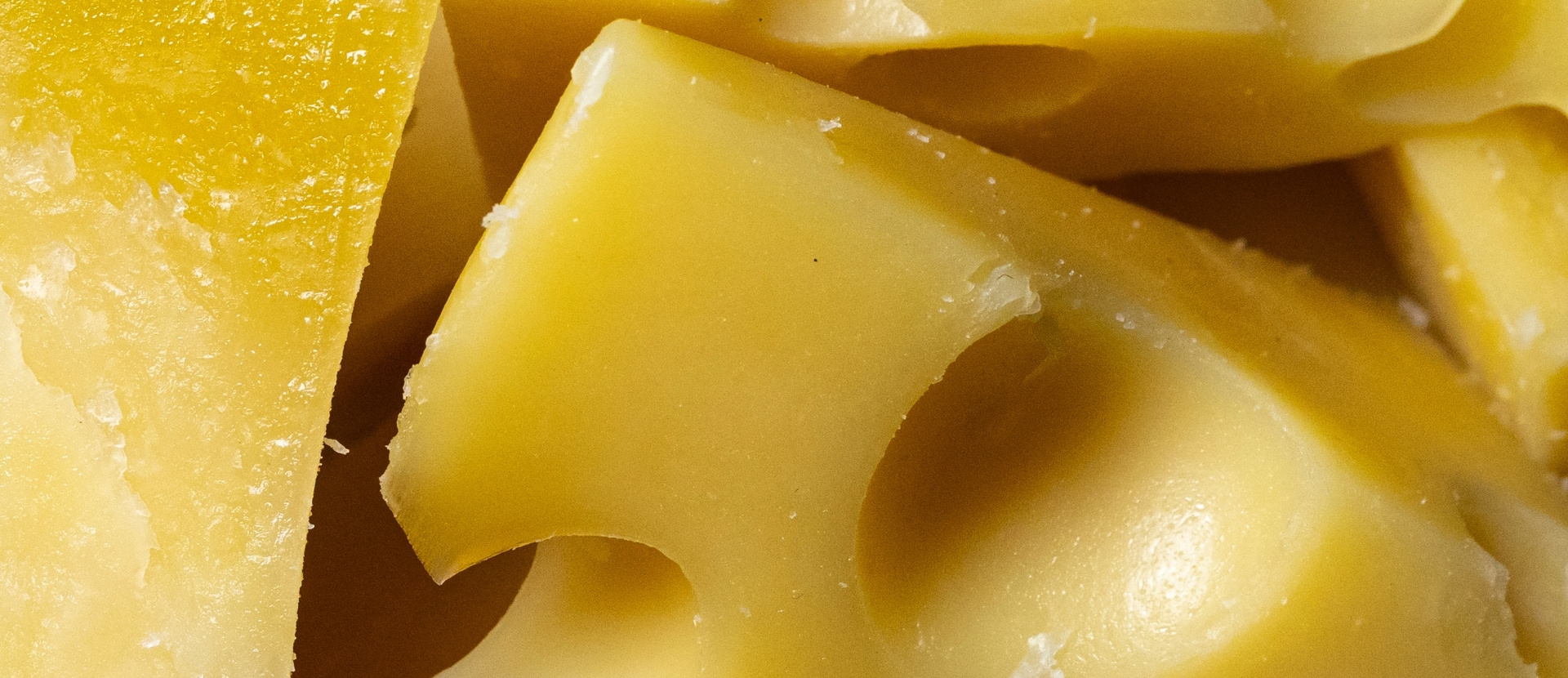
Anatolia is one of the world's oldest wine regions. Complex Kalecik Karası reds and crisp Narince whites wait in 300-year-old stone cellars. Discover the unique terroir of the Aegean and Cappadocia, and pair these indigenous grapes with the perfect local sea bass or aged cheese.
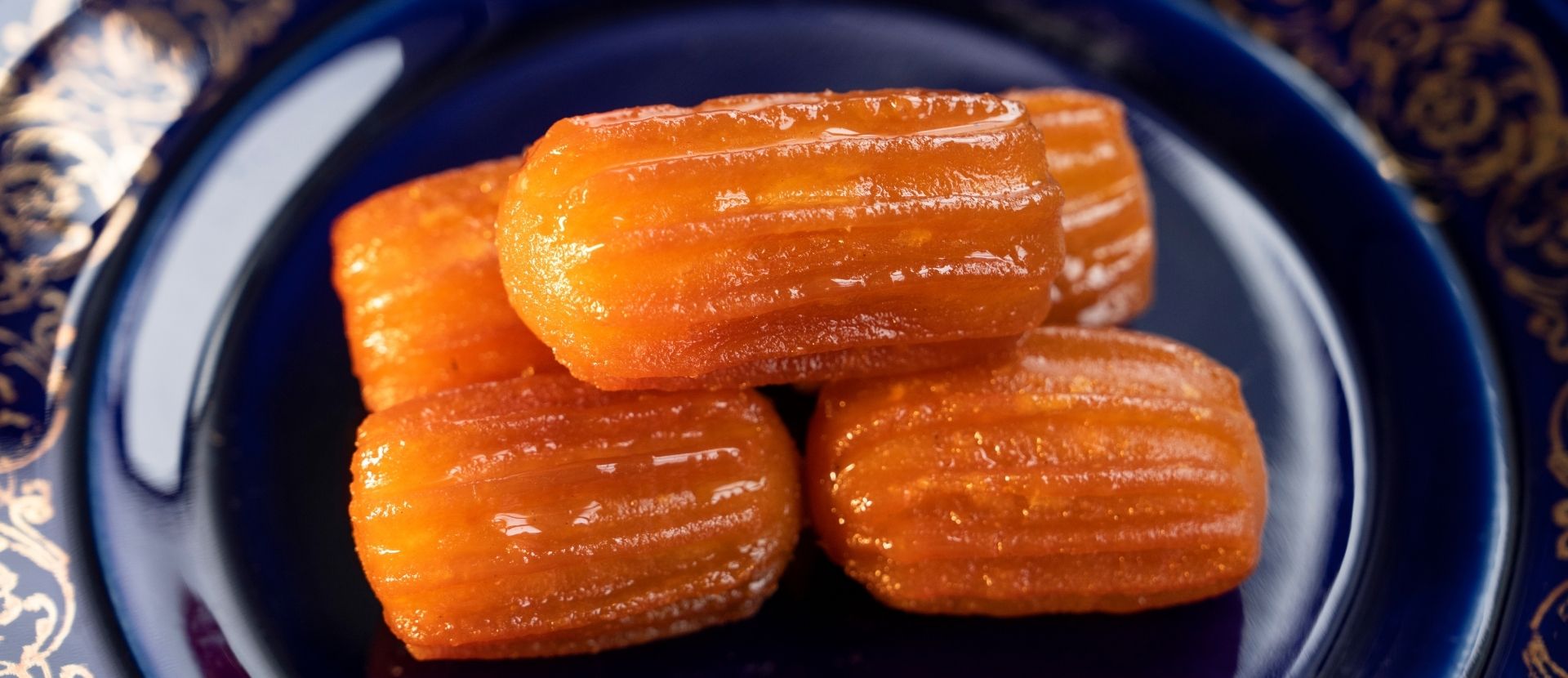
A Feast for Sultans
Taste how the Sultans turned dinner into theatre. From saffron-infused pilafs and slow-cooked lamb in clay to rose-scented sherbets and gold-leaf baklava; explore the sophisticated, fusion recipes developed in the imperial kitchens of Topkapı Palace over six centuries.
Hidden Food Stops on Turkey’s Back Roads
Leave the highway and taste the real map: wood-smoke kebab shacks in Taurus mountains, olive-grove breakfast shacks above Aegean cliffs and tea-garden bakeries where grandmas still roll yufka at sunrise. These three stories give GPS pins, opening hours and the exact bench to claim before locals arrive.
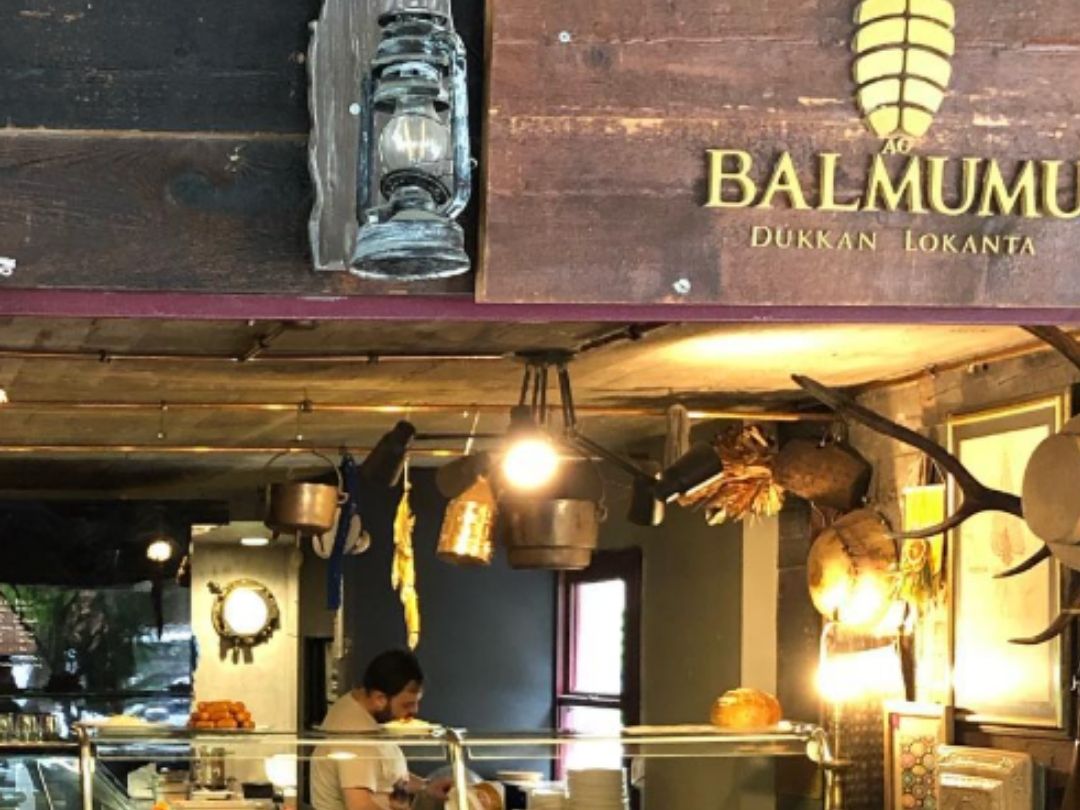
Balmumu Dükkan Lokanta
A living museum of Anatolian gastronomy. Chef Ahmet Güzelyağdöken doesn't just cook; he curates forgotten recipes and lost ingredients. From wild herbs to heirloom cheeses, every plate is a story recovered from the depths of culinary history.
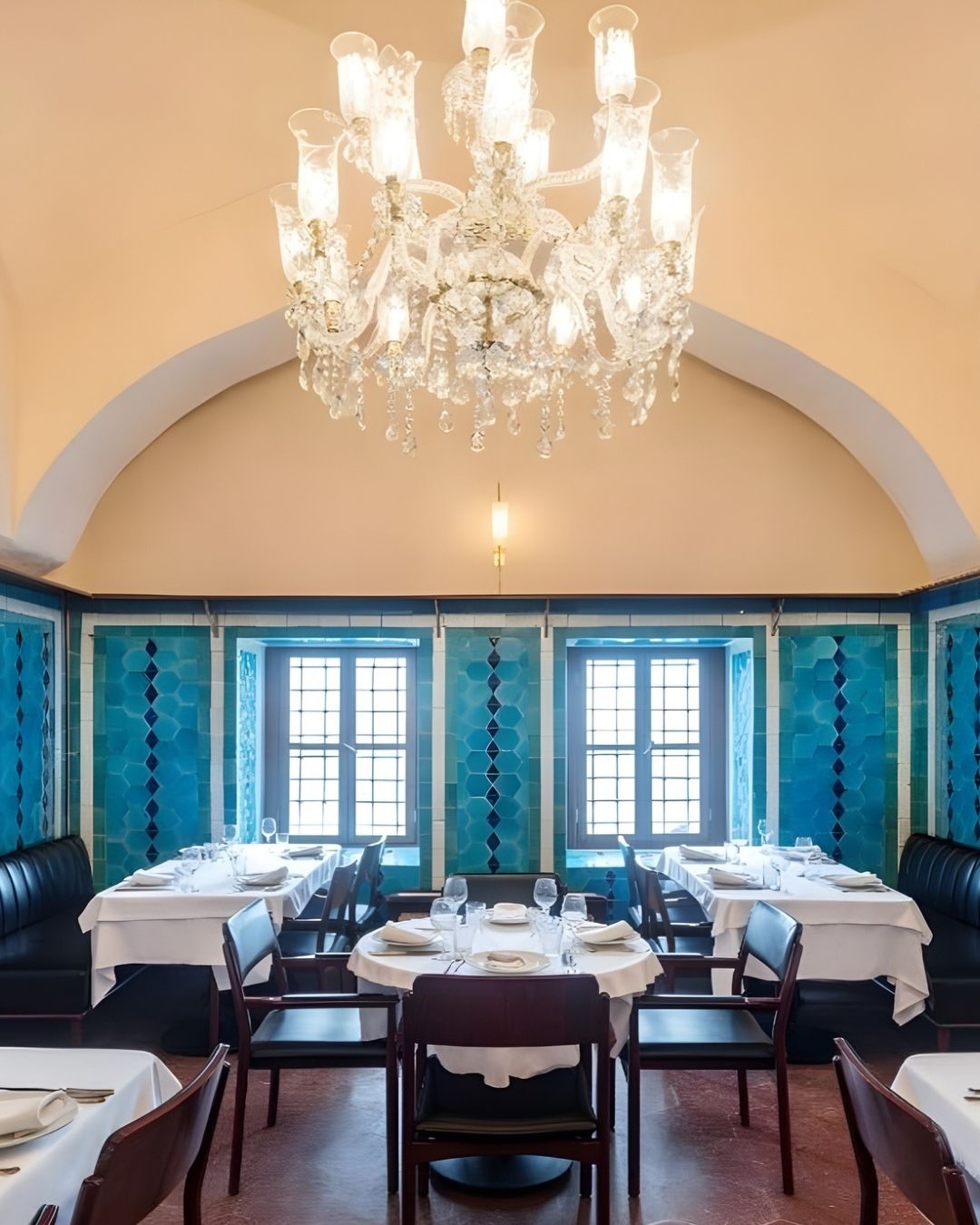
Pandeli Lokantası
Hidden just up the stairs from the chaotic energy of the Spice Bazaar lies a sanctuary of turquoise İznik tiles. Since 1901, Pandeli has served sultans and Hollywood stars alike. It is not merely a meal; it is a time capsule of Old Istanbul, offering the city’s finest Hünkar Beğendi in an atmosphere of aristocratic silence.
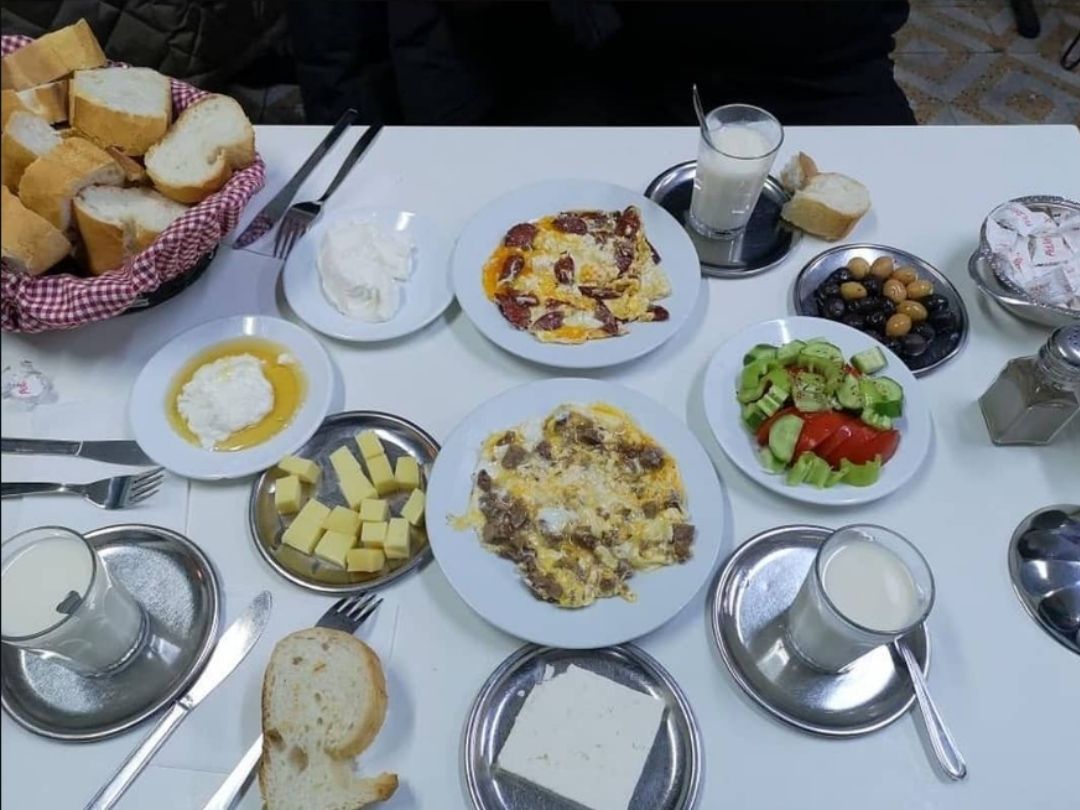
Boris'in Yeri
In a city of rapid change, Boris stands still. One of the last remaining traditional muhallebici (pudding shops), this spot is legendary for its buffalo clotted cream (kaymak) and honey. A humble, unpretentious ritual that defines the true Istanbul breakfast.
7 Regional Flavours
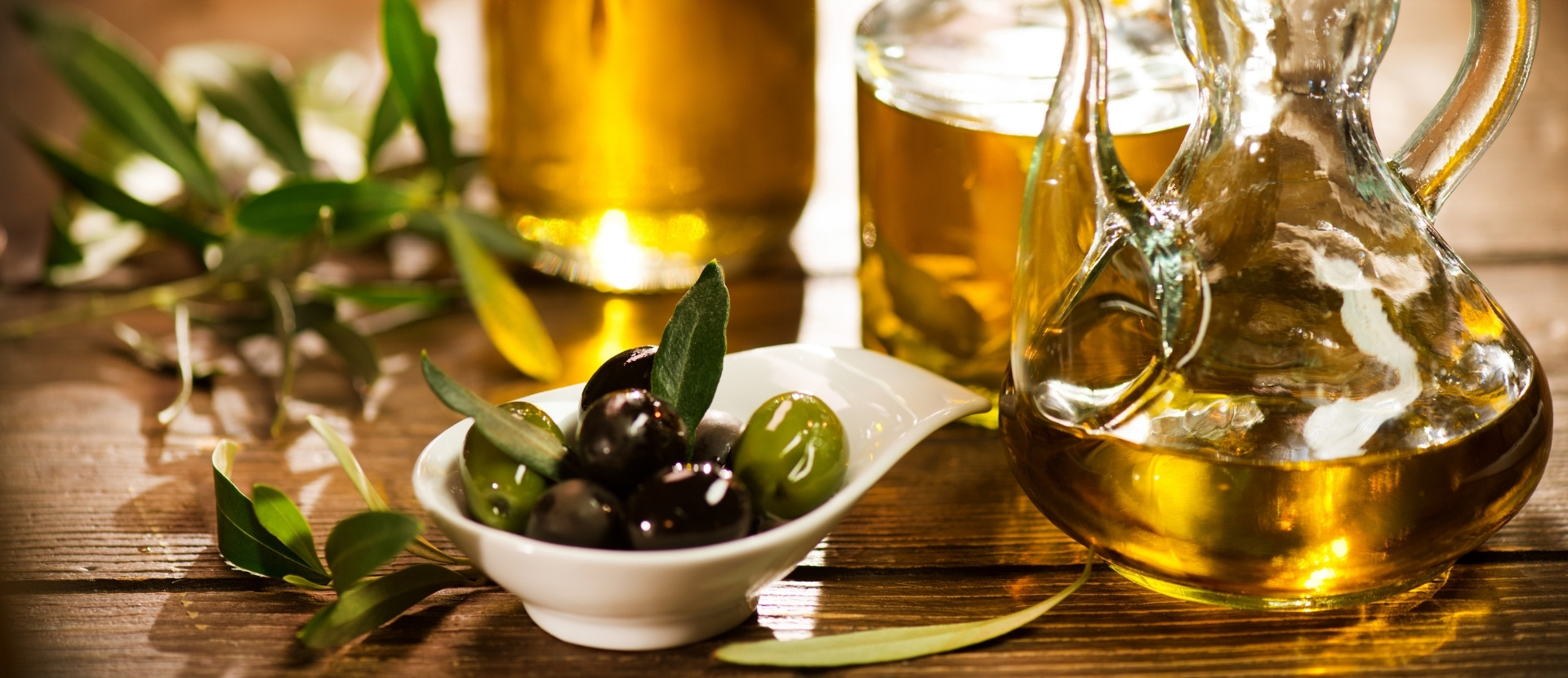
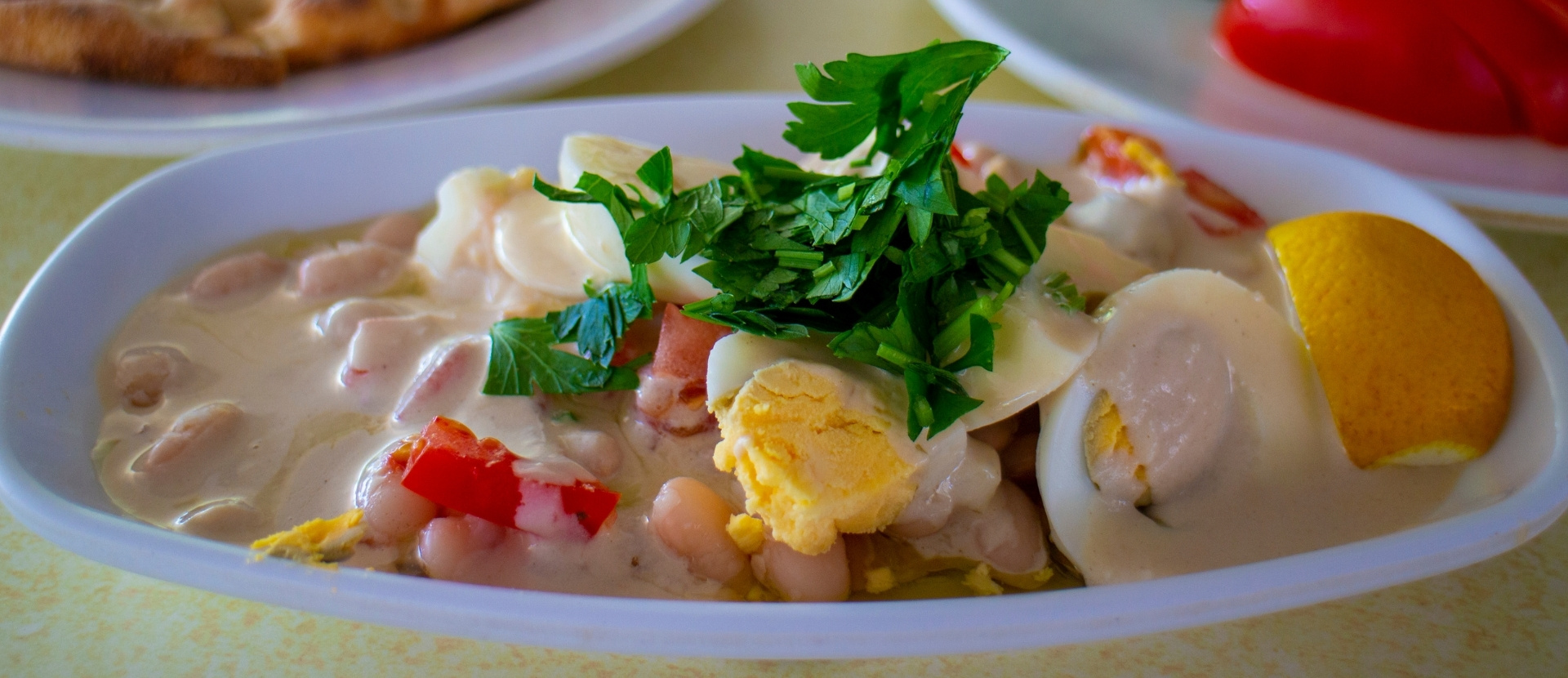
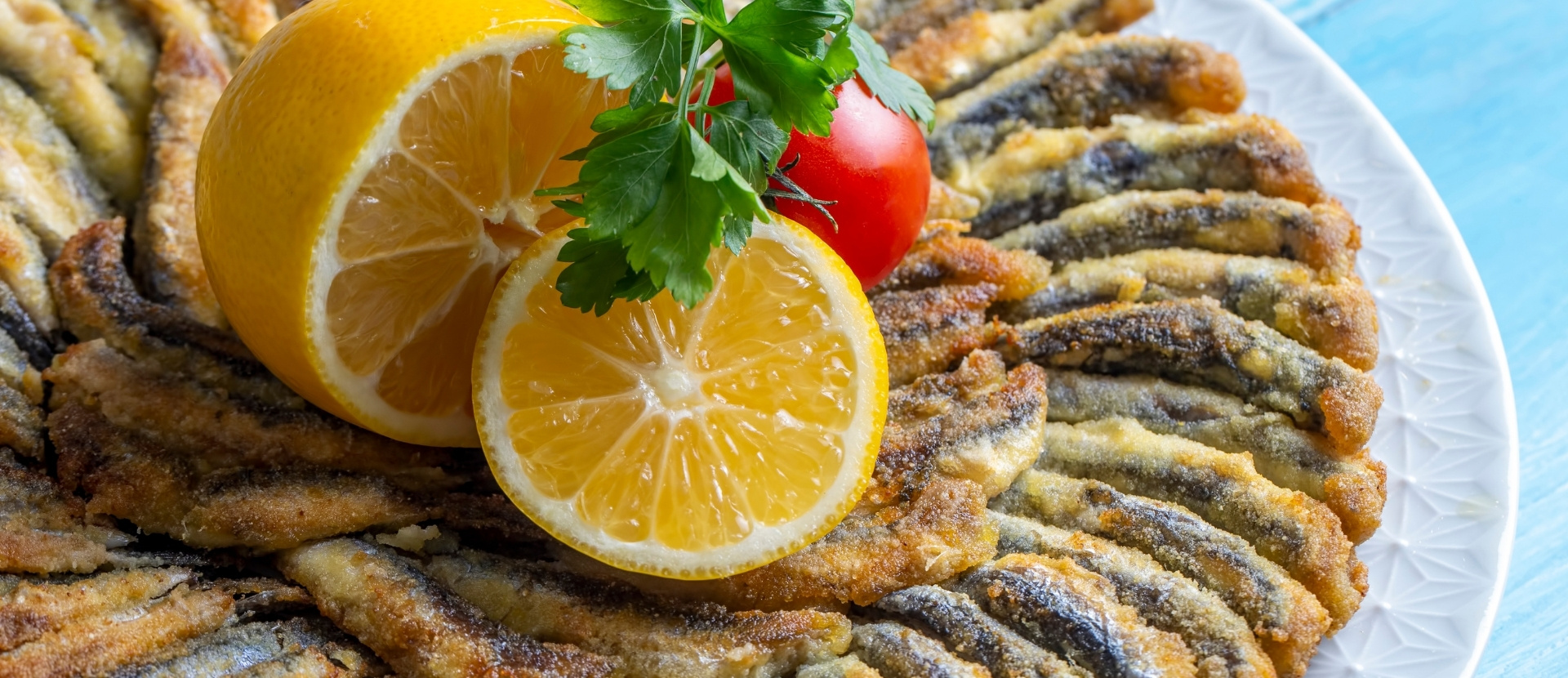
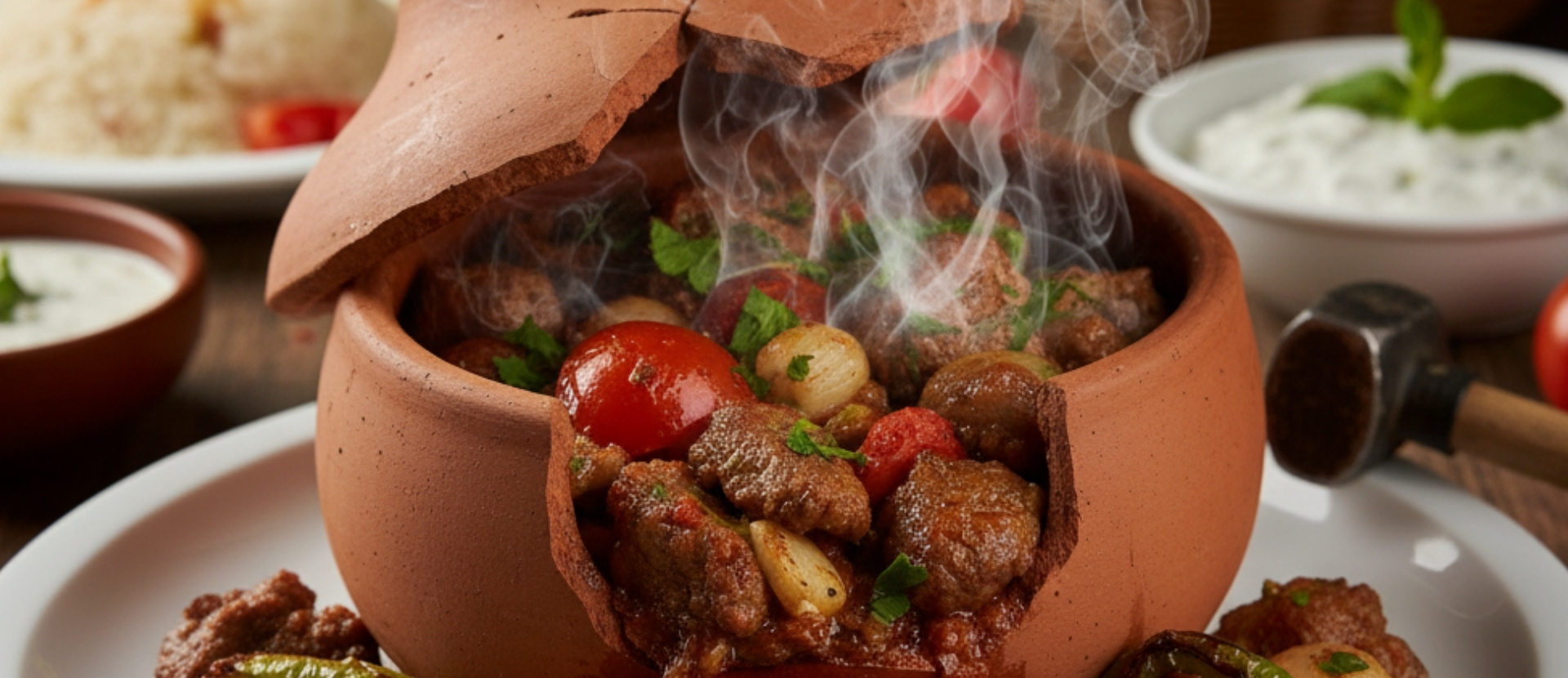
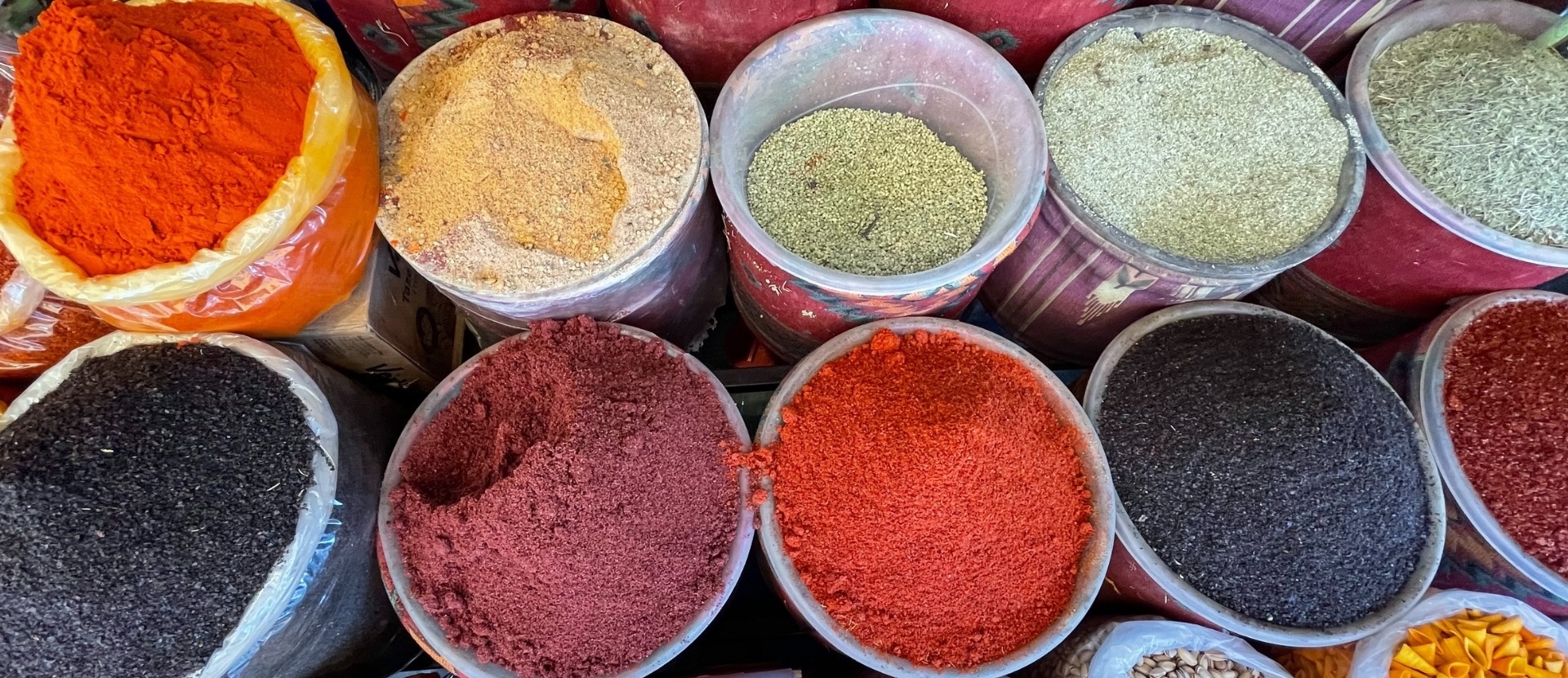
Turkish cuisine changes colour every three hundred kilometres. This grid walks you through seven micro-climates, each guarding its own fat (butter vs olive vs tail-fat), its own spice logic (sumac vs mint vs chilli) and its own cooking vessel (clay, copper or cast-iron). Click a card and jump to deep-dive pages packed with maps, seasonal calendars and reservation links.
Enrich Your Exploration

Four Seasons: Bosphorus, Perfected


Garenta: Discover More of Istanbul
the landmarks; experience the
real city. Garenta offers the freedom to discover Istanbul's hidden treasures at your own pace.

Signature Dishes
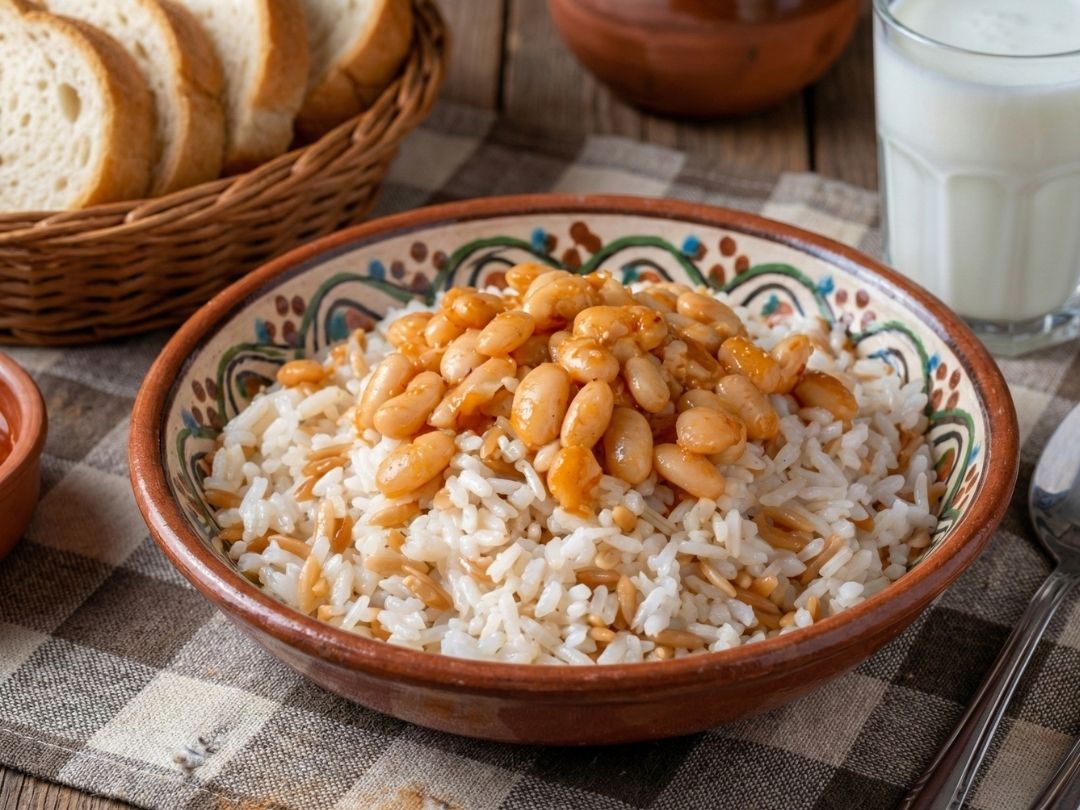
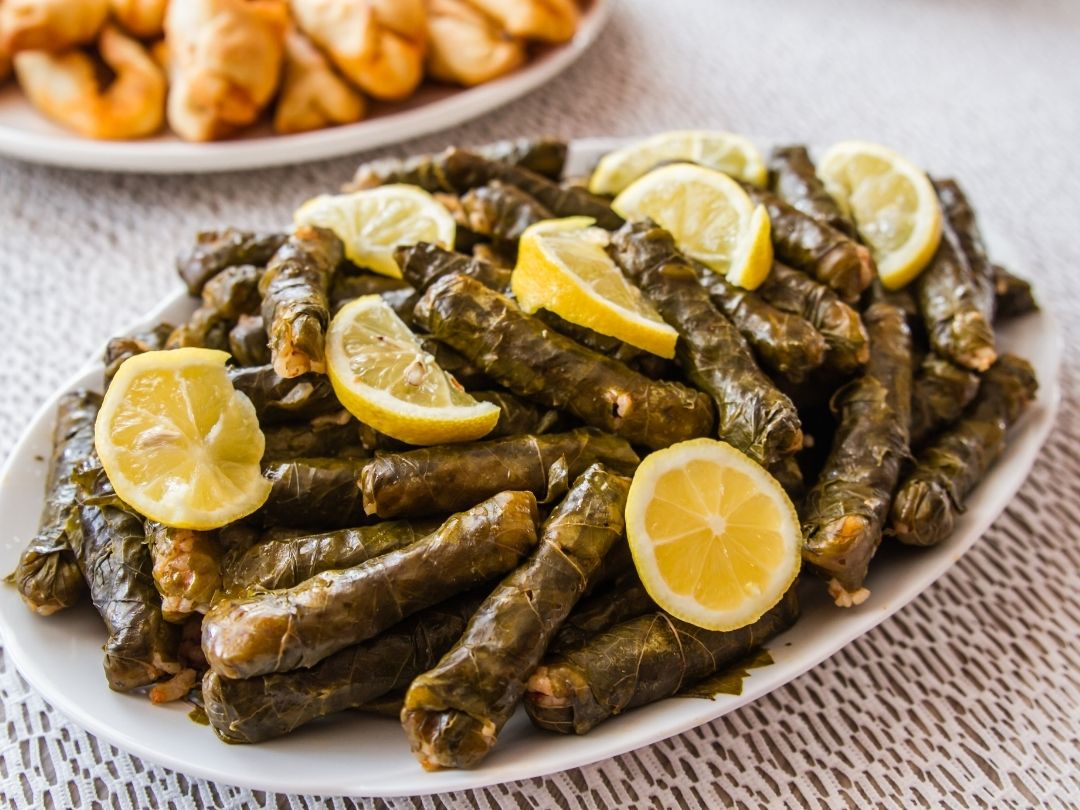
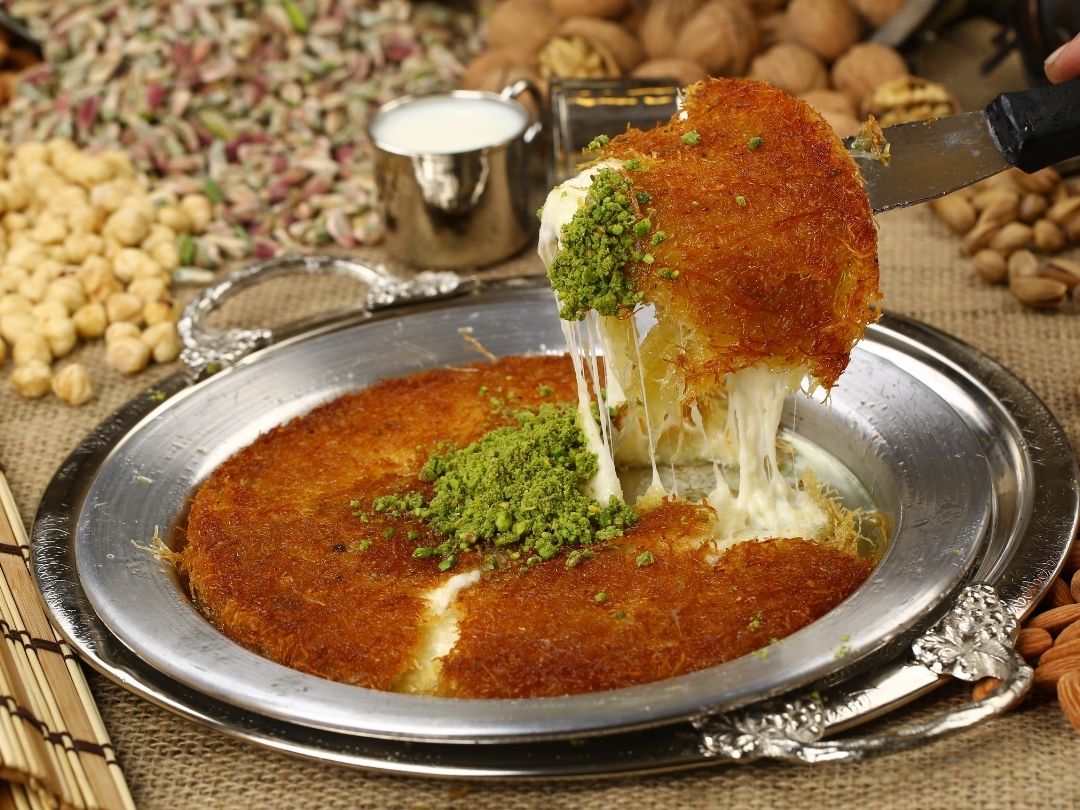
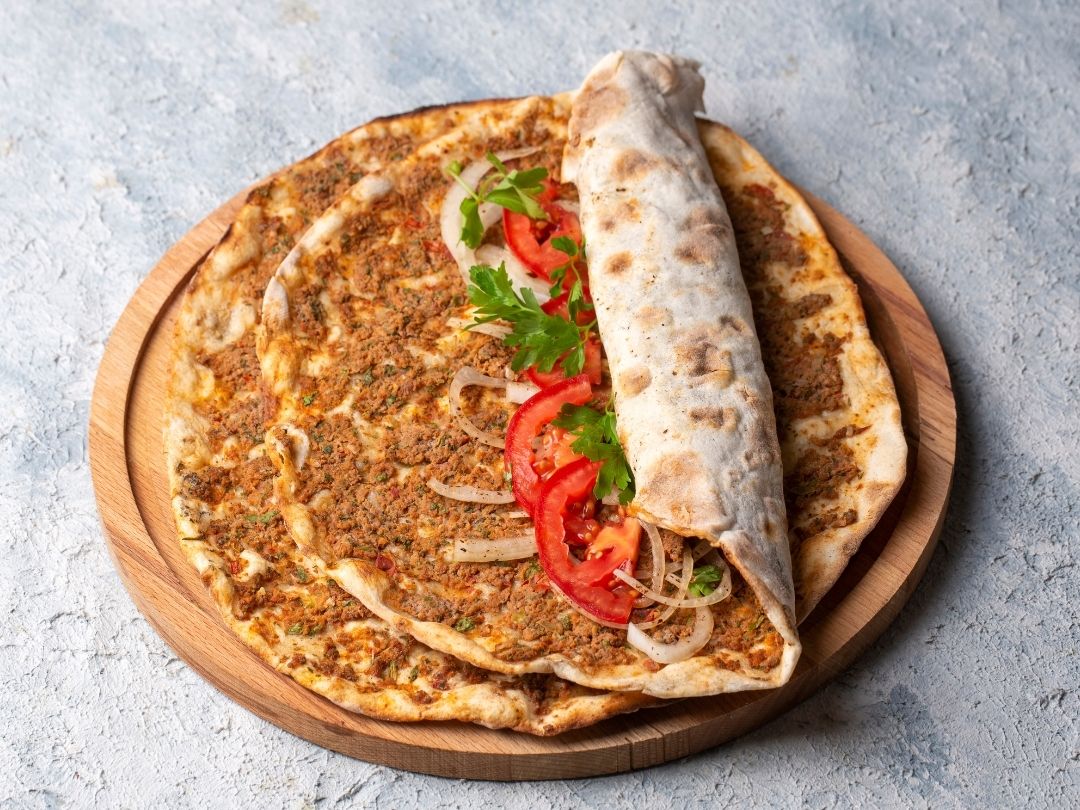
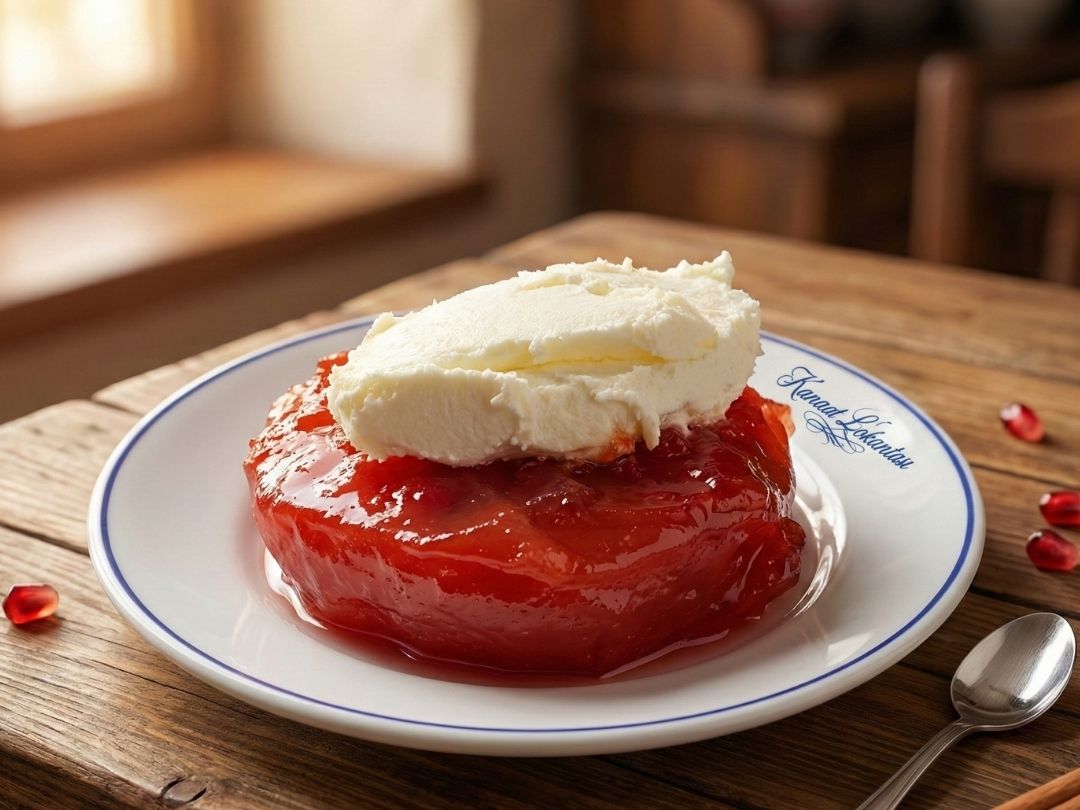
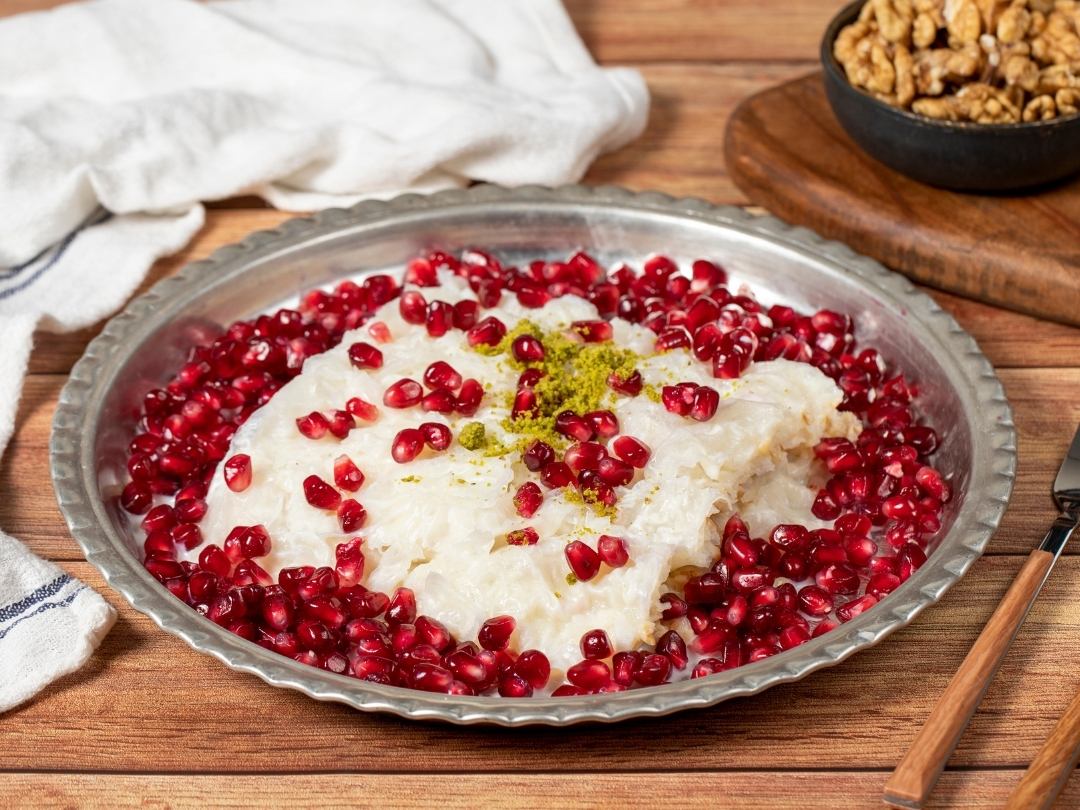
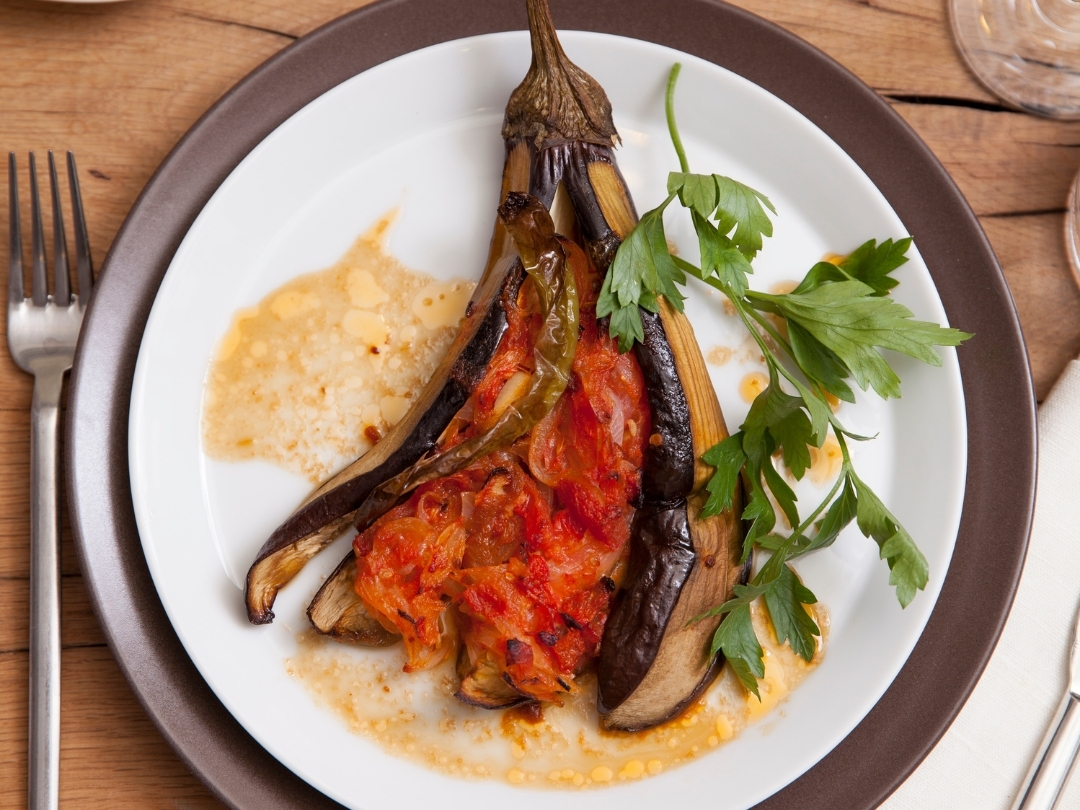
Some flavours are passport stamps. This accordion unlocks eight must-taste icons, tells you where to eat them freshest and how to spot the real thing among tourist copies.
Seasonal Ingredients & Festivals
Artichokes in March, sour cherries in June, figs in September and pumpkin in December—Turkish cuisine is a slave to the seasons. This mini-calendar pairs temperature charts with harvest festivals so you can plan a trip that lands exactly when pistachios are cracked or grapes are foot-pressed.
January
- Ingredient: Leek, Mandarine
- Region: Aegean, Mediterranean
- Festival: Antalya Citrus Fest
February
- Ingredient: Spinach, Quince
- Region: Marmara, Aegean
- Festival: Izmir Organic Fair
Ottoman Palace Cuisine vs Home Kitchen
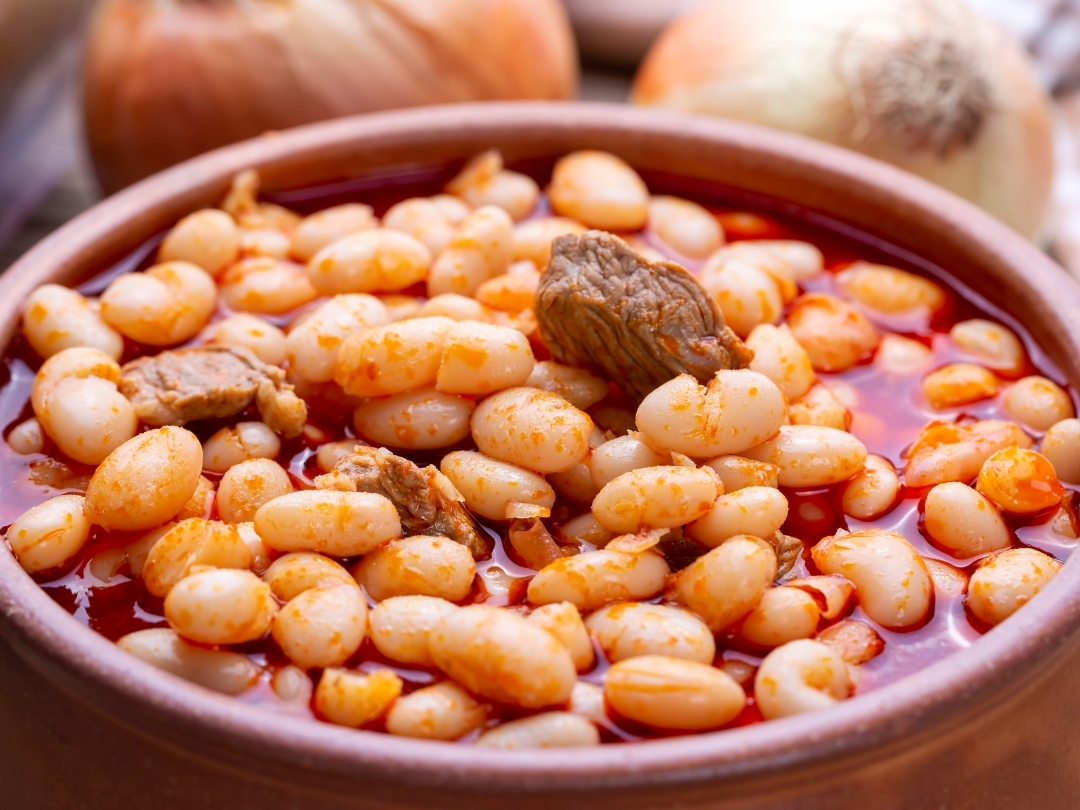
Turkish gastronomy is defined by a sharp duality: the sophisticated, codified recipes of the Imperial Court and the resourceful, ingredient-led traditions of the Anatolian hearth. To understand the full spectrum of our culinary heritage, one must navigate between these two worlds—the extravagance of the Palace and the honesty of the Home.
Turkish Wine & Dine Routes
Start here and you’ll grasp Turkish cuisine in one breath: spices flow east to west, olive oil hugs the Aegean, copper pans sizzle in the south and syrupy desserts crown every table. Three fast cards below point you to kebab routes, vineyard roads and palace recipes so you can jump straight into the flavour that excites you most.
Peninsula Journey
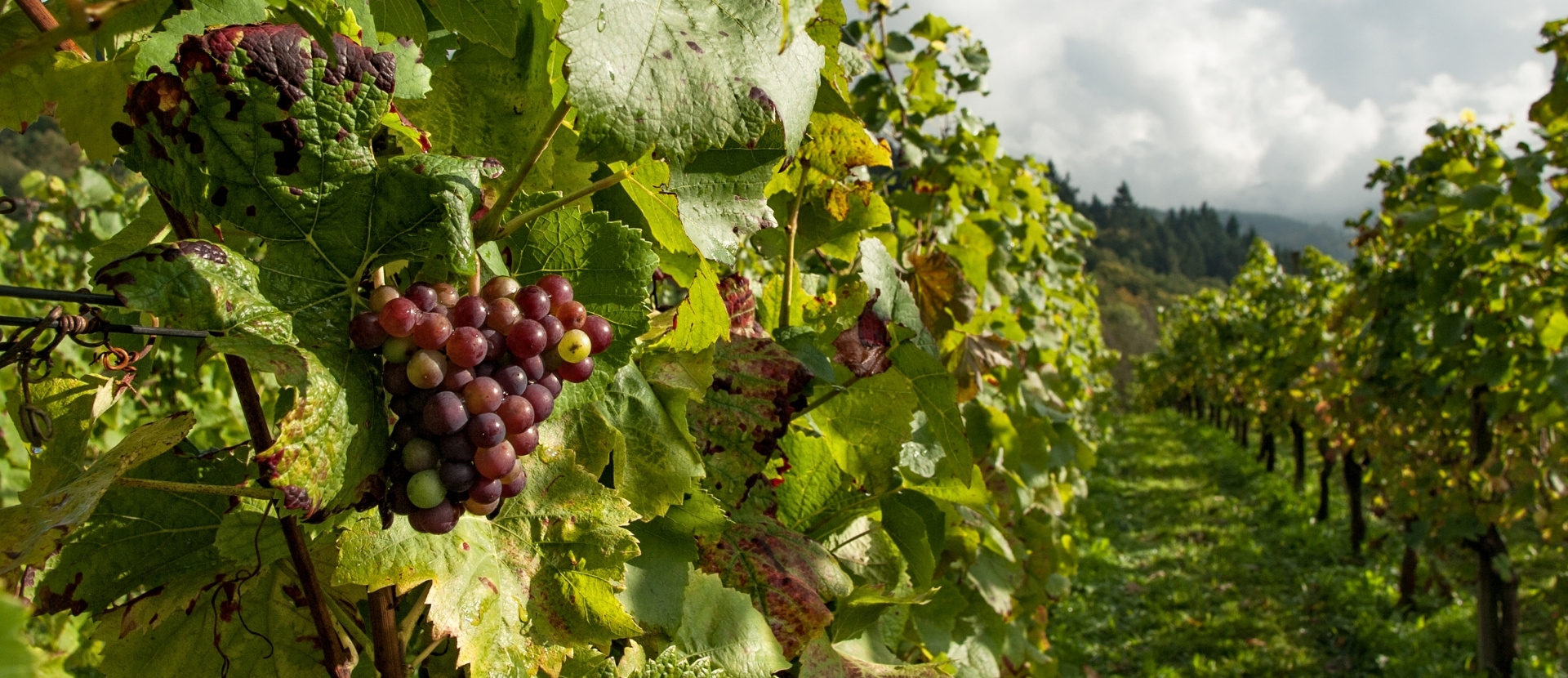
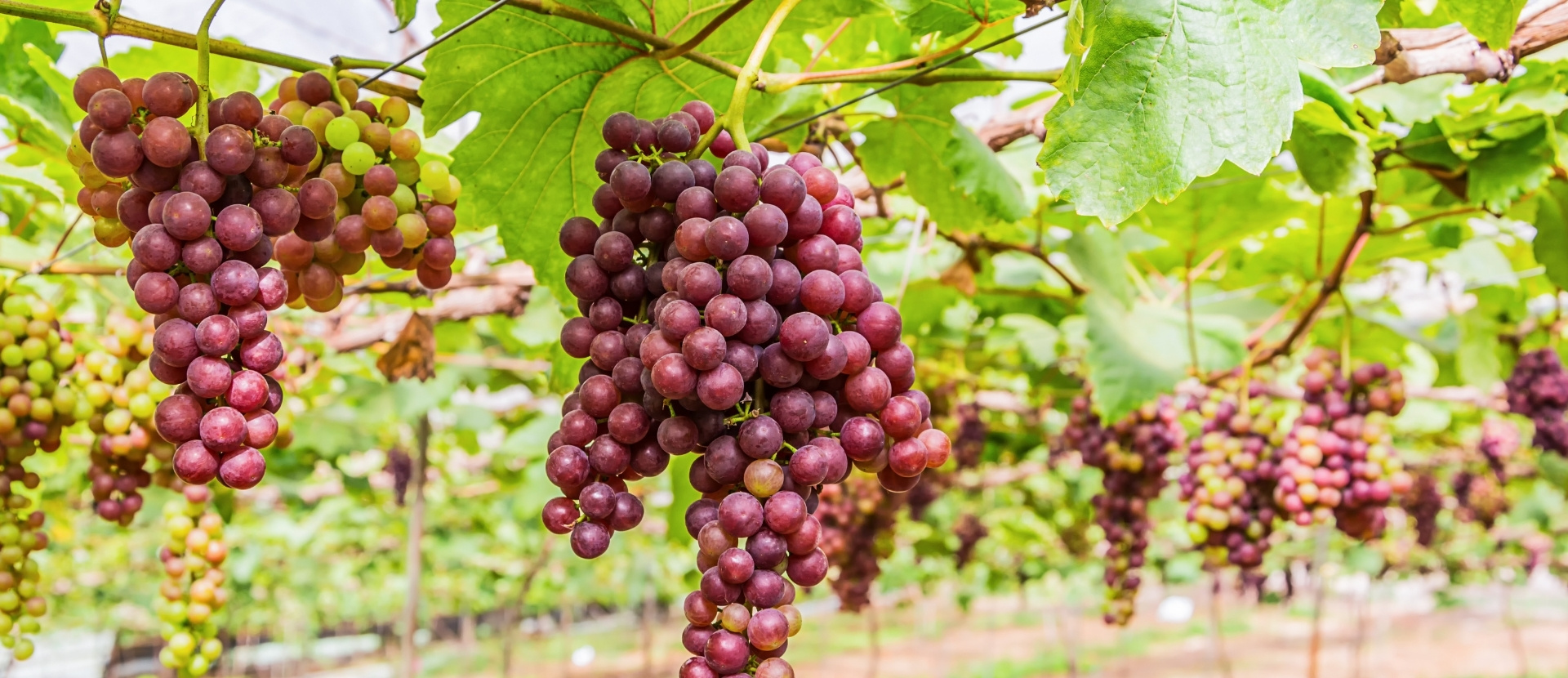
Urla’s limestone soil pumps lemon-zest minerality into Narcıquae and Vourla whites; drink them steps from the vineyard while grilled sea-bream drizzled with early-harvest olive oil arrives at your table. Book a bike-and-wine morning and taste Turkish cuisine where Aegean breeze meets glass and plate.
European Journey
Thrace’s gentle hills ripen Kalecik Karası into silky, strawberry-spiced reds; pair them with Edirne’s lightly smoked lamb liver or Kırklareli’s cumin sausage at a hill-top cellar. Reserve an afternoon barrel tasting and discover Turkish cuisine where rolling vineyards touch historic Ottoman towns.
A Fairy Journey
Cappadocia’s tuff caves keep Öküzgözü and Boğazkere at perfect 14 °C; drink them beside testi kebab cracked open at your table while hot-air balloons drift overhead. Book a sunset cave tasting and finish Turkish cuisine inside fairy-chimney walls where volcanic soil meets ruby glass.
Journey with Confidence
Acıbadem Hospitals Group: Global Excellence in Healthcare
While you immerse yourself in the rich history of Istanbul, your well-being is protected by a future-focused healthcare leader. Acıbadem provides world-class medical services, from comprehensive health screenings to advanced treatments, all delivered with a commitment to your safety and comfort.
Travel with the assurance that you and your loved ones are in the most capable hands.

Vegetarian & Vegan Turkish Cuisine
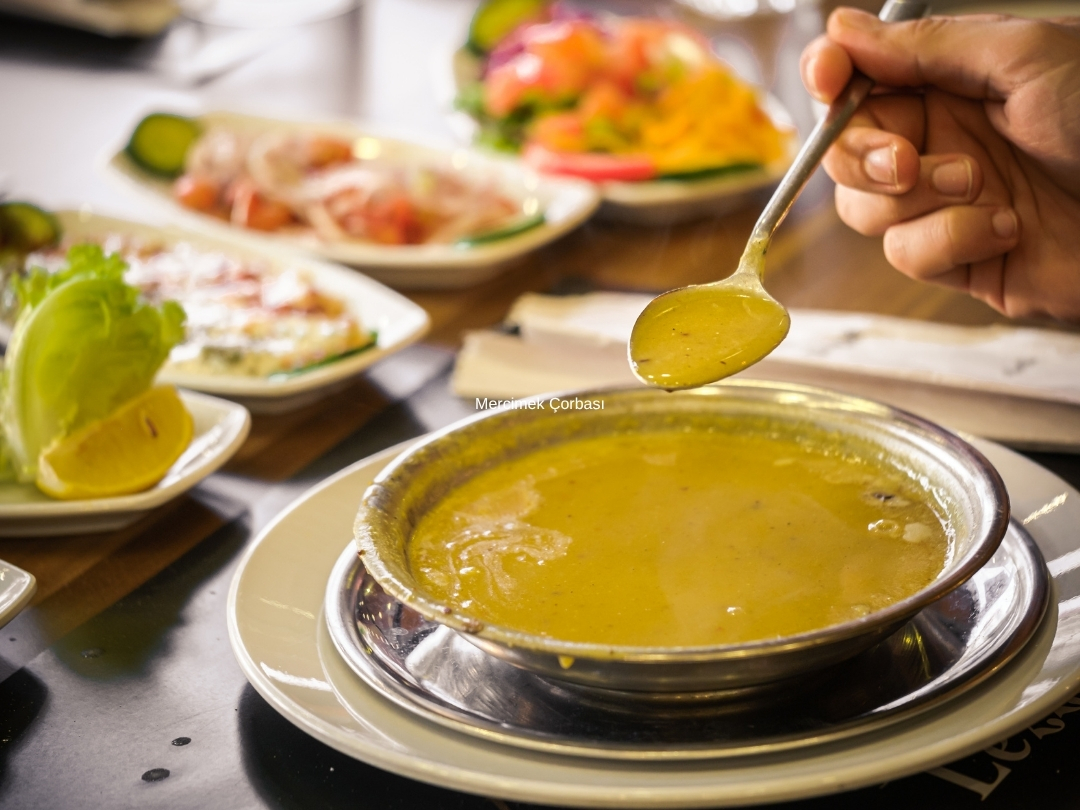
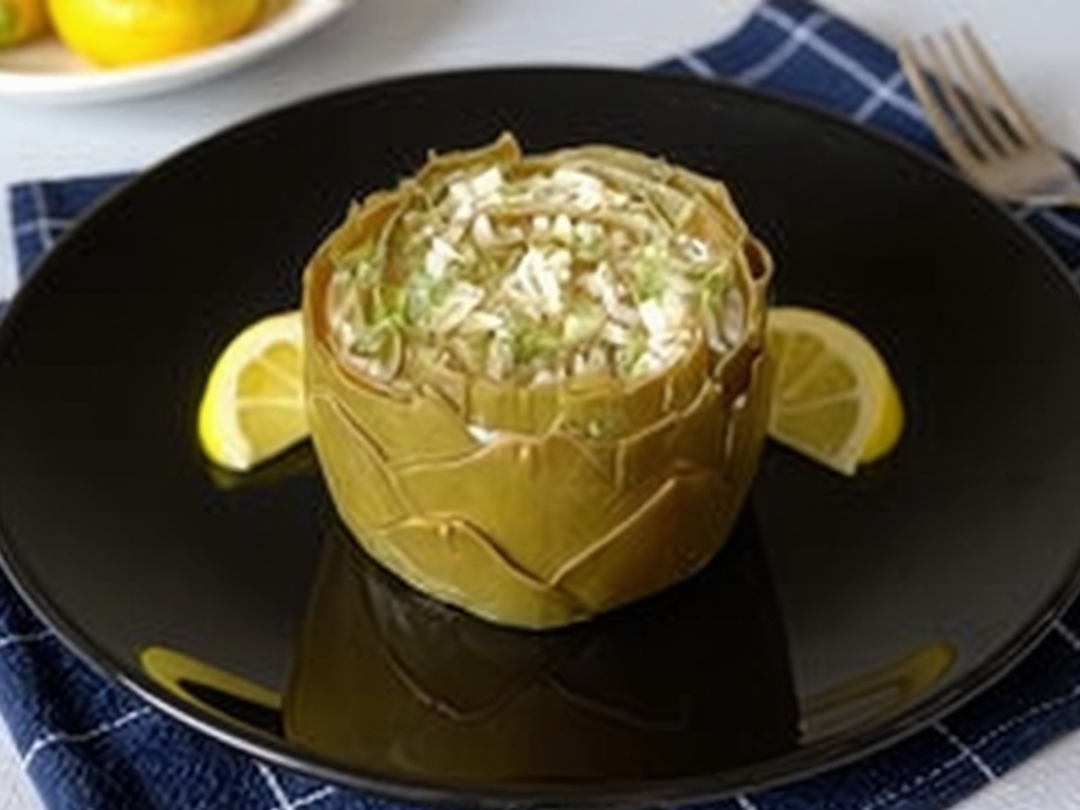
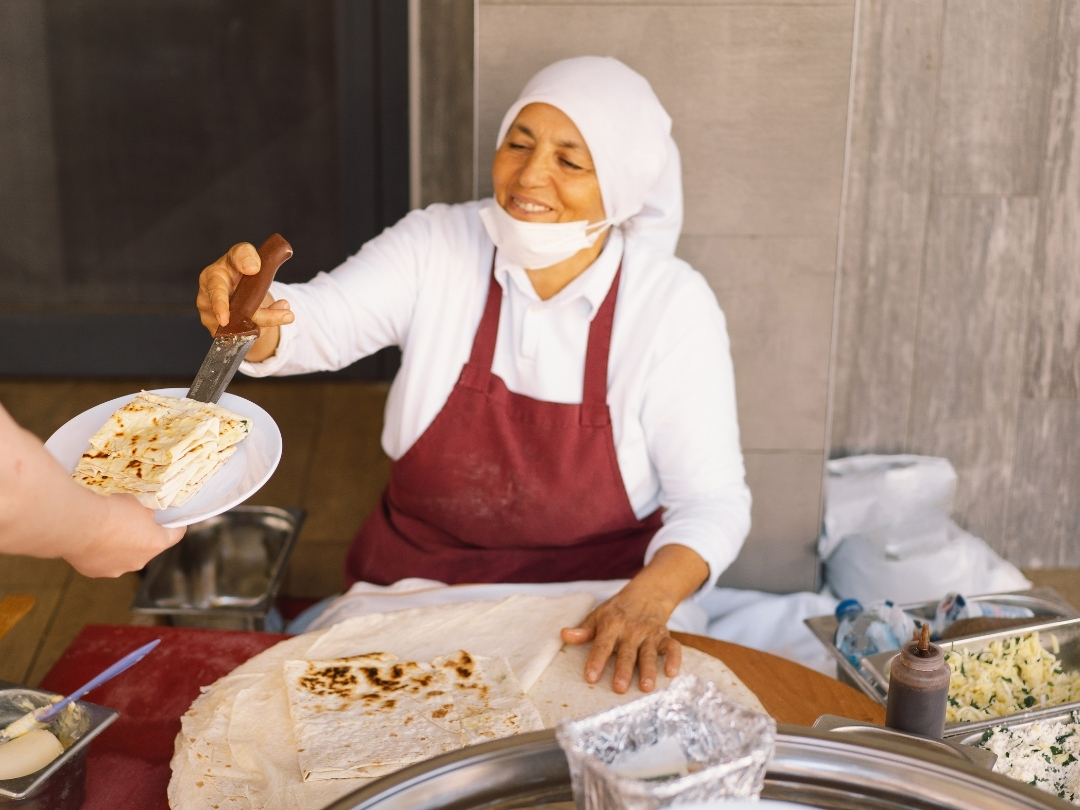
Meat-free does not mean taste-free in Turkish cuisine—olive-oil-drenched vegetables, cumin-kissed lentil soups and stretchy vegan gözleme prove plants alone can create a rainbow plate. This section maps the hidden vegan street stalls of Istanbul, the olive-grove village tables of the Aegean and legume-loving home kitchens of the south-east—complete with market maps, dairy swaps and a printable grocery list for recreating flavours back home.
Baklava, Turkish Delight and Beyond in Turkish Cuisine
Enter the steamy kitchens where paper-thin phyllo meets pistachio, rose water colours chewy delight and milk pudding hides beneath caramel skin. These posts reveal temperature tricks, regional twists and the exact pistachio-to-syrup ratio for a perfect diamond cut.
FAQ: About Turkish Cuisine
What is the national dish of Turkish cuisine?
There isn’t one single national dish—Turkish cuisine is regional. If you must choose, döner kebab for street food and lentil soup for home tables are eaten coast-to-coast, but every province claims its own star.
Is Turkish cuisine spicy?
Heat is gentle and optional. Urfa’s isot pepper adds smoky depth, Aegean herbs bring aroma, but most plates rely on olive oil, tomato paste and yoghurt—you control the final chilli sprinkle.
Are vegetarian options common in Turkish cuisine?
Absolutely—olive-oil dishes like imam bayıldı, lentil soup, spinach gözleme and stuffed vine leaves are naturally vegan and served daily in most restaurants.
Which region should I visit for the best Turkish cuisine experience?
Start in Gaziantep (UNESCO Creative City) for kebabs and baklava, then cycle Urla for olive-oil mezes and wines; each region offers a different edible story.
Do I need reservations for culinary tours in Turkey?
Yes—popular cooking classes, palace dinners and vineyard tastings cap groups at 12 people; book 48 h ahead via trusted platforms to lock in dietary options and hotel pick-ups.
