





4 Picks from Cappadocia Vineyards Route | Volcanic Taste
Winemaking in Cappadocia is an act of defiance against nature. In a landscape that resembles the surface of the moon, vines struggle through mineral-rich volcanic tuff to find water, creating grapes with incredible concentration and distinct minerality. This is one of the few places on Earth where you can find “ungrafted” vines—ancient rootstocks that have survived for centuries because the Phylloxera pest cannot thrive in this sandy, volcanic soil.
The experience here is subterranean. Unlike the chateaus of the West, Cappadocian wineries are often carved deep into the soft rock, utilizing the natural insulation to age their wines perfectly. From the crisp, green-apple notes of the indigenous Emir grape to the complex, amphora-aged natural wines of Güzelyurt, this route offers a taste of history that is as dramatic as the fairy chimneys above ground.
Cappadocia Vineyard Route
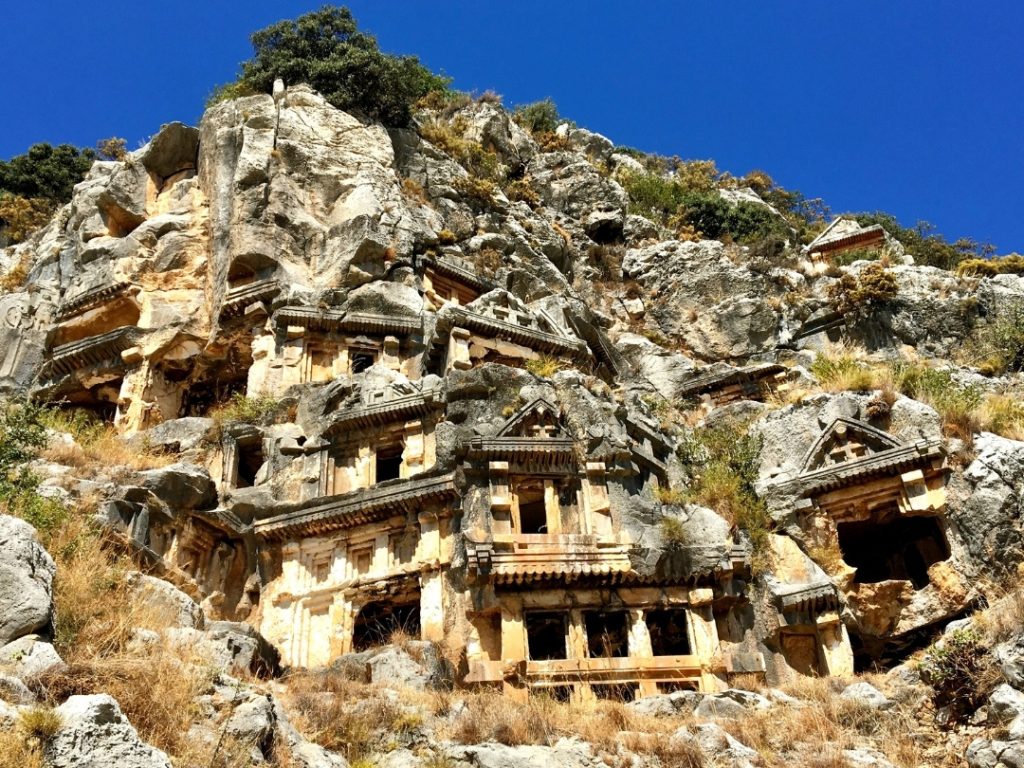

Turasan Winery

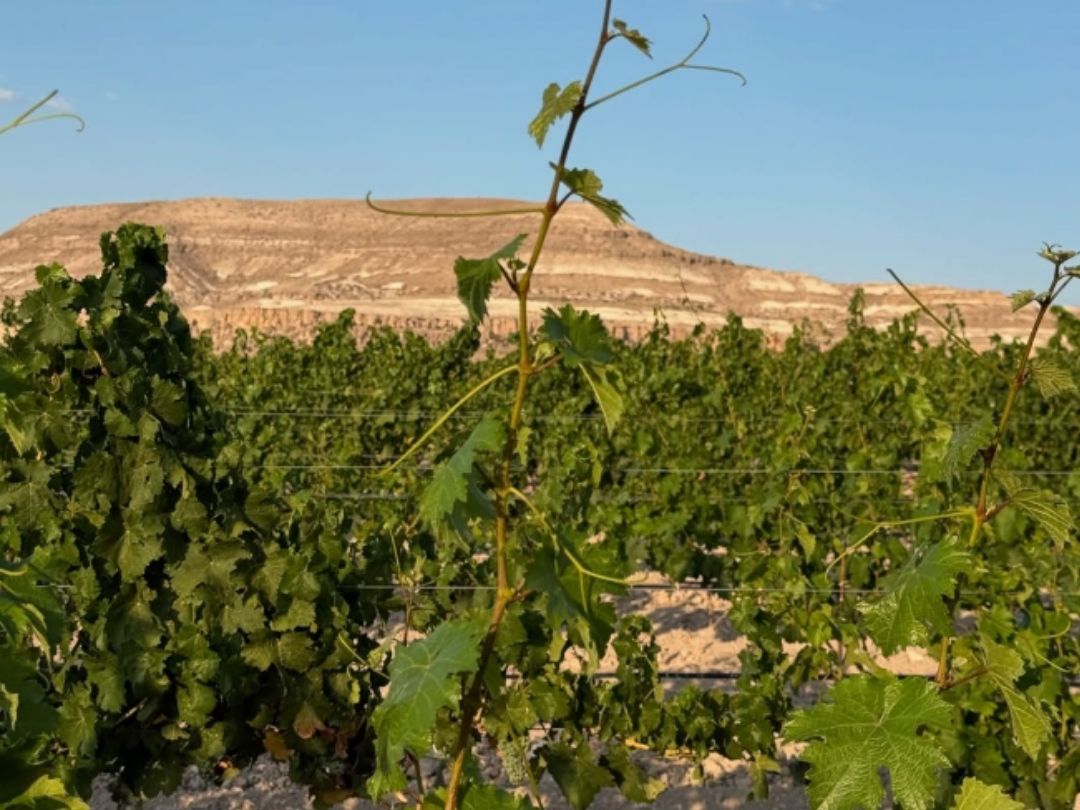
- The Vibe: The Grand Guardian of History. Turasan is the oldest and largest winery in Cappadocia, standing as a pillar of the region's viticulture since 1943. The facility in Ürgüp feels like a blend of an industrial museum and a bustling production hub. It is the reliable giant that has kept the Anatolian wine tradition alive through difficult decades.
- The Signature Experience: A walk through their massive rock-carved cellars followed by a tasting at their large visitor center. The signature experience is tasting their varied portfolio to understand the baseline of the region. Their "Seneler" series offers a reliable look at how international grapes like Cabernet adapt to volcanic soil.
- Curator's Tip: While they make many reds, their *Emir* (the local white grape) is the star. Turasan produces one of the most consistent and widely available expressions of this crisp, mineral-forward grape. It’s the perfect introduction to Cappadocian terroir.
Ürgüp/Nevşehir
Kocabağ Winery
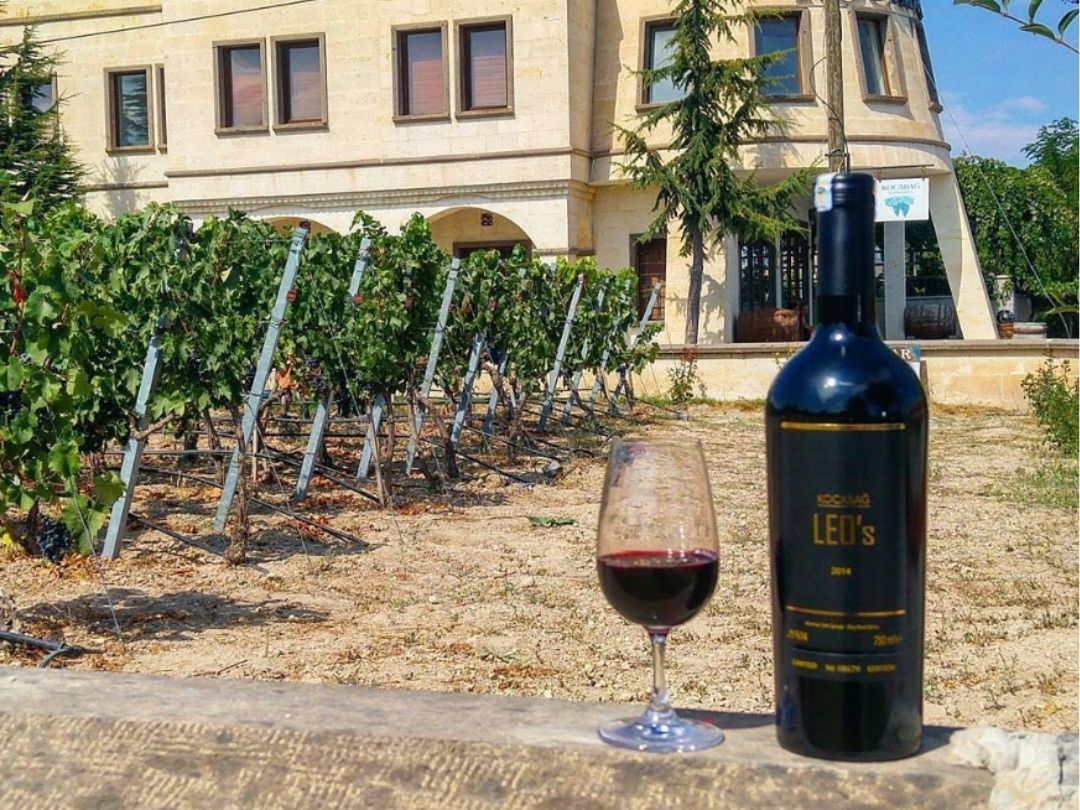
- The Vibe: Elegant Minimalism in Uçhisar. Kocabağ represents the sophisticated, boutique face of Cappadocia. Their winery is modern, utilizing a gravity-flow system to handle the grapes gently. The vibe is quiet, focused, and deeply respectful of the Uçhisar terroir. It feels less like a factory and more like a design studio for wine.
- The Signature Experience: A tasting on their terrace or in their stylish tasting room, often guided by a member of the Erdogan family. The signature is their "Leo" blend, but the real revelation is their single-varietal Kalecik Karası, which takes on a unique, earthy spice in this volcanic soil that you don't find in Ankara.
- Curator's Tip: Kocabağ's wines are known for their clean, fruit-forward profile because they avoid excessive oak aging. If you want to taste the pure fruit without the mask of heavy wood, this is your spot.
Enrich Your Exploration
Four Seasons:
Bosphorus, Perfected

Garenta: Discover More of Istanbul
the landmarks; experience the
real city. Garenta offers the freedom to discover Istanbul's hidden treasures at your own pace.

Gelveri Winery
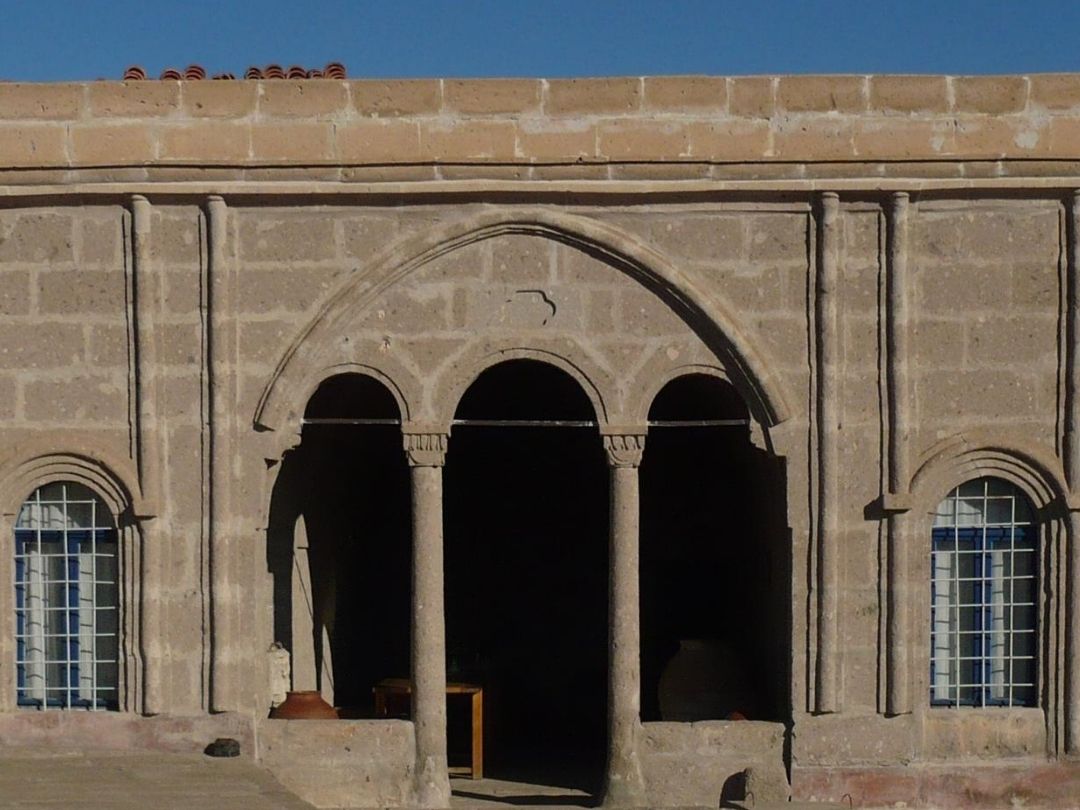
- The Vibe: The Radical Ancestral Punk. Run by Udo Hirsch in the village of Güzelyurt, Gelveri is not for the faint of heart. This is natural winemaking in its most extreme form. No additives, no industrial yeast, fermented in ancient clay amphoras (Küp) buried in the ground. The vibe is rustic, intellectual, and deeply experimental.
- The Signature Experience: Tasting "Orange Wines" that challenge your perception of what wine should be. The whites are amber-colored and oxidative; the reds are wild and funky. The experience is like drinking history—this is how wine likely tasted 3,000 years ago.
- Curator's Tip: This is strictly for adventurous palates. If you love clean, industrial Sauvignon Blanc, you might be shocked. But if you are into the global "Natural Wine" movement, Gelveri is a pilgrimage site. Try their *Keten Gömlek* grape variety—found nowhere else.
Journey with Confidence
Acıbadem Hospitals Group: Global Excellence in Healthcare
While you immerse yourself in the rich history of Istanbul, your well-being is protected by a future-focused healthcare leader. Acıbadem provides world-class medical services, from comprehensive health screenings to advanced treatments, all delivered with a commitment to your safety and comfort.
Travel with the assurance that you and your loved ones are in the most capable hands.

Argos

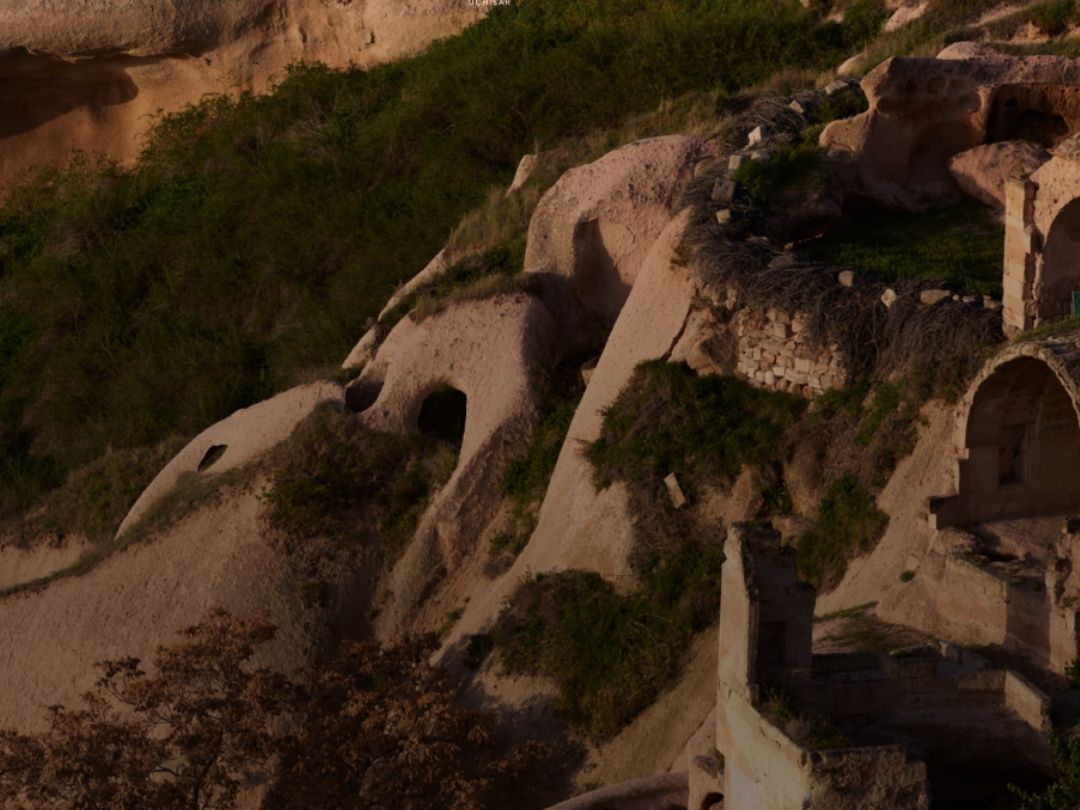
- The Vibe: Subterranean Luxury. Located within the award-winning Argos Hotel, Seki Cellar is one of the largest underground wine cellars in Turkey. The vibe is atmospheric and grand, winding through ancient tunnels and caves that have been repurposed into a world-class wine sanctuary.
- The Signature Experience: A private tasting deep inside the tunnels, surrounded by thousands of aging bottles. Unlike other wineries, here you can taste vintages from all over Anatolia, not just their own production (though they have their own vineyards too). Following the tasting with dinner at Seki Restaurant above is essential.
- Curator's Tip: Ask to see the "Chapel." The cellar connects to an ancient underground chapel that is now used for private events. It is one of the most photogenic and spiritual spots to enjoy a glass of Syrah.
FAQ: About Cappadocia Vineyard Route
What makes winemaking in Cappadocia different from other regions?
It comes down to the soil and the altitude. The region’s unique ecosystem consists of Vineyards in the Volcanic Ash—a sandy, mineral-rich tuff soil created by ancient volcanic eruptions. This soil, combined with the high altitude (over 900 meters) and harsh continental climate, stresses the vines in just the right way, producing grapes with concentrated flavor and high acidity.
Which local grape varieties should I look for on this route?
The undisputed star of Cappadocia is Emir. It is a white grape that thrives in the Vineyards in the Volcanic Ash, producing crisp, mineral-forward wines with notes of green apple and kiwi. It does not grow successfully anywhere else. For reds, look for Kalecik Karası, which takes on a spicier, earthier profile here compared to its home in Ankara.
Why are "ungrafted vines" so significant in Cappadocia?
This is a rarity in the global wine world. Because the phylloxera louse (a pest that destroyed European vineyards in the 19th century) cannot survive in the sandy structure of the Vineyards in the Volcanic Ash, many Cappadocian vines are planted on their own original roots rather than American rootstocks. This offers a purer, more ancient expression of the grape.
Is winemaking a recent trend in Cappadocia?
Quite the opposite. While modern boutique wineries are on the rise, the tradition dates back to the Hittites (2000 BC). The rock-carved cellars you see today were originally designed by ancient civilizations to store wine at a constant temperature. Walking through the Vineyards in the Volcanic Ash is literally walking through 4,000 years of viticulture history.
What is the best time of year to visit the wineries?
While tastings are available year-round, the most magical time is the “Vintage” (Bağ Bozumu) season in late September and October. The weather is crisp, the valleys turn gold and red, and you can watch the harvest taking place across the Vineyards in the Volcanic Ash, followed by the famous grape festivals in Ürgüp.
