





The Anatolian Quince
While the rest of the world has largely forgotten this fragrant, knobby fruit, the Turkish quince remains the undisputed queen of winter tables across Anatolia. Turkey is the world’s largest producer of quince, making it not just an ingredient, but a cultural symbol of the cooler months. Unlike the apple or pear, the Turkish quince demands patience; it is hard, astringent, and pale when raw. But with heat and time, it undergoes a magical transformation, becoming the embodiment of slow cooking. This guide explores how this humble fruit transforms into a ruby-red delicacy that has graced the tables of Sultans for centuries.
The Anatolian Quince
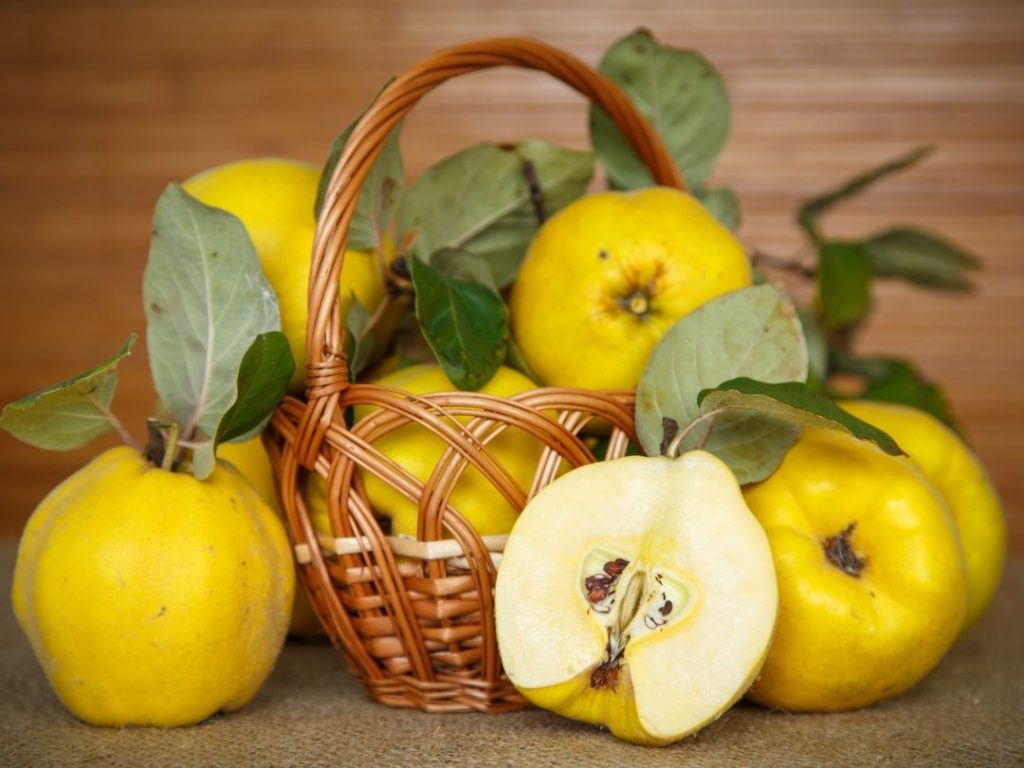

Roots of the Turkish Quince
The quince (Cydonia oblonga) is genetically native to the Caucasus and Northern Anatolia, meaning the Turkish quince is growing in its true ancestral home. The harvest begins in late autumn, signaling the start of Turkiye’s rich winter gastronomy. The most prized variety, known as the “Eşme” quince, hails from the Sakarya region. These fruits are famous for their intense floral aroma—a single ripe Turkish quince left in a room acts as a natural perfume, filling the air with intoxicating notes of vanilla, citrus, and wild apple.
In traditional Ottoman households, a single ripe Turkish quince was often placed in the living room or bedroom. Its intense, floral fragrance acts as a natural air freshener, filling the home with the scent of winter for weeks.
Enrich Your Exploration

Four Seasons:
Bosphorus, Perfected

Garenta: Discover More of Istanbul
the landmarks; experience the
real city. Garenta offers the freedom to discover Istanbul's hidden treasures at your own pace.

How to Eat Turkish Quince
In modern Western cooking, fruit is often segregated to the end of the meal or used only for jams. However, Ottoman Palace Cuisine mastered the art of combining the Turkish quince with savory dishes centuries ago. Its tartness and firm texture make it the perfect foil for rich meats.
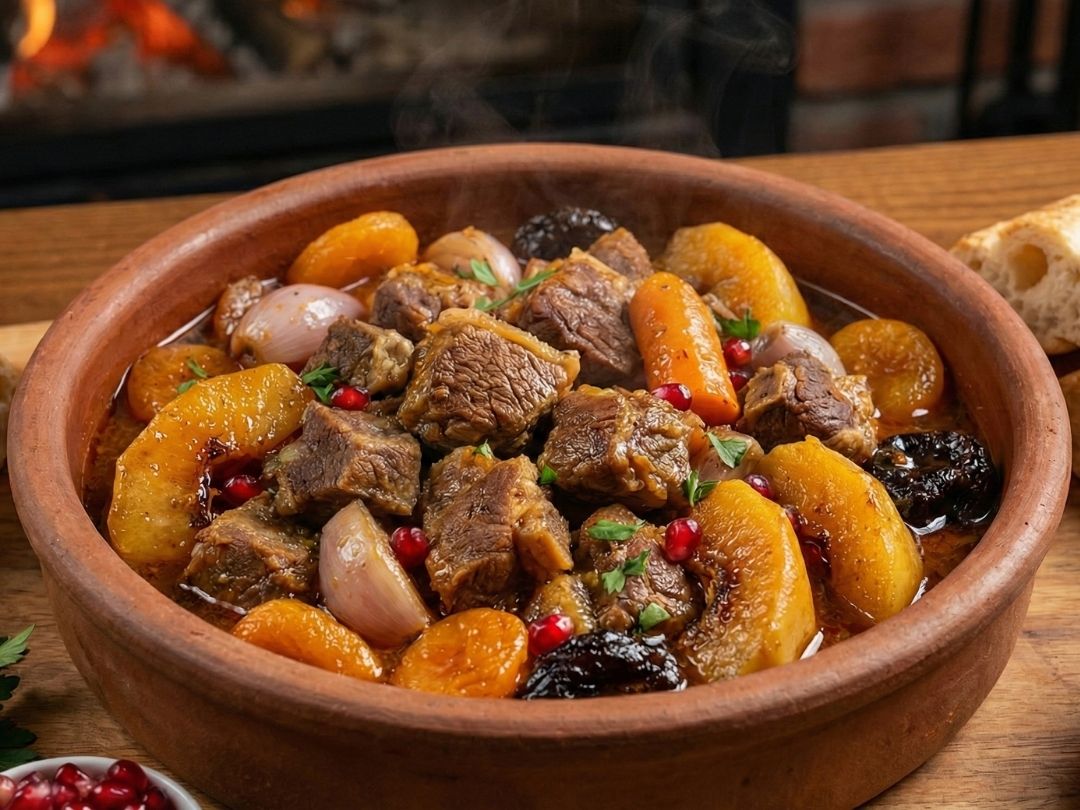
The Savory Route: Ayvalı Kuzu Yahni
A masterpiece of Ottoman fusion. Lamb is slow-cooked with quince chunks, absorbing the meat's juices while balancing the fat with its natural acidity. A sophisticated flavor profile from the 16th century.
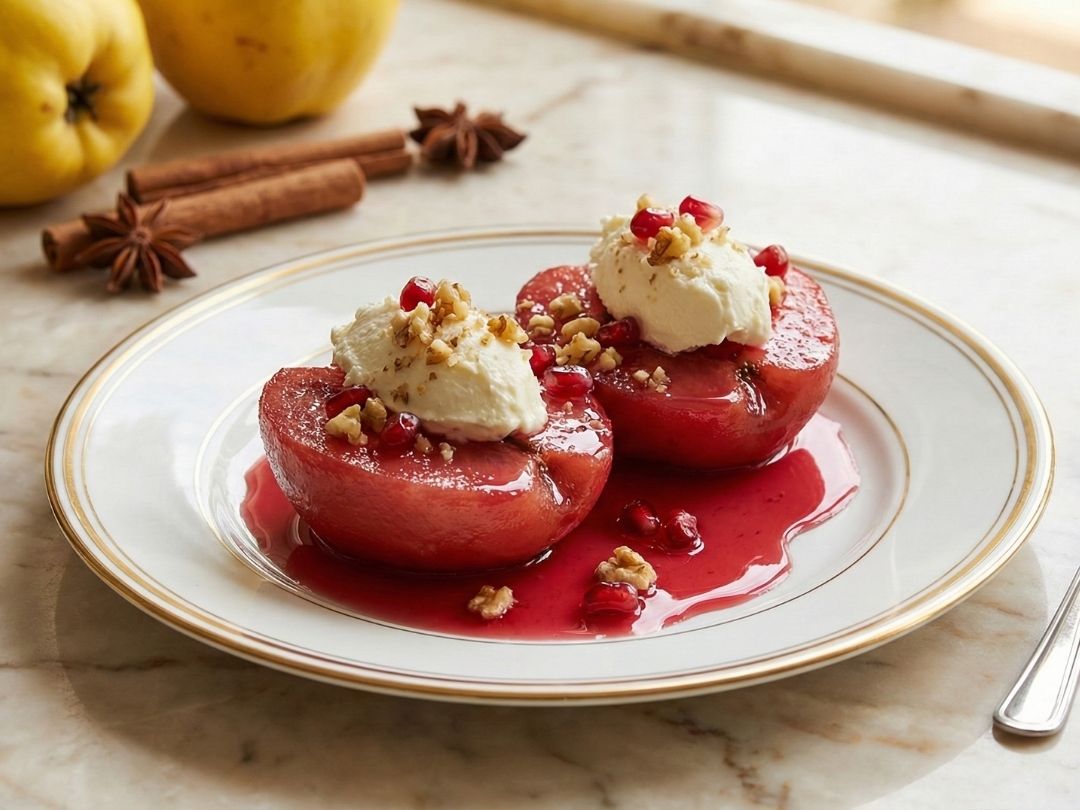
The Sweet Finale: Ayva Tatlısı
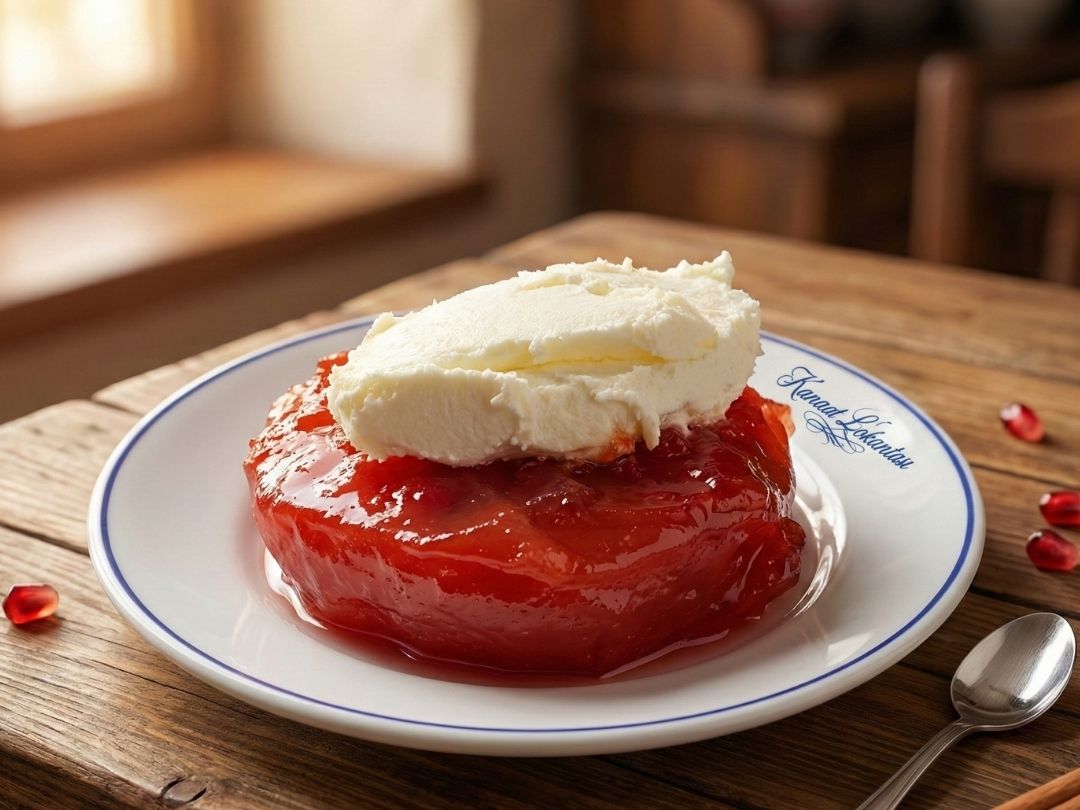
The ultimate winter comfort. Poached slowly with cloves and its own seeds until it turns a translucent ruby red. Served with a thick dollop of buffalo kaymak (clotted cream) to cut through the sweetness.
Turkish Quince & Local Wine
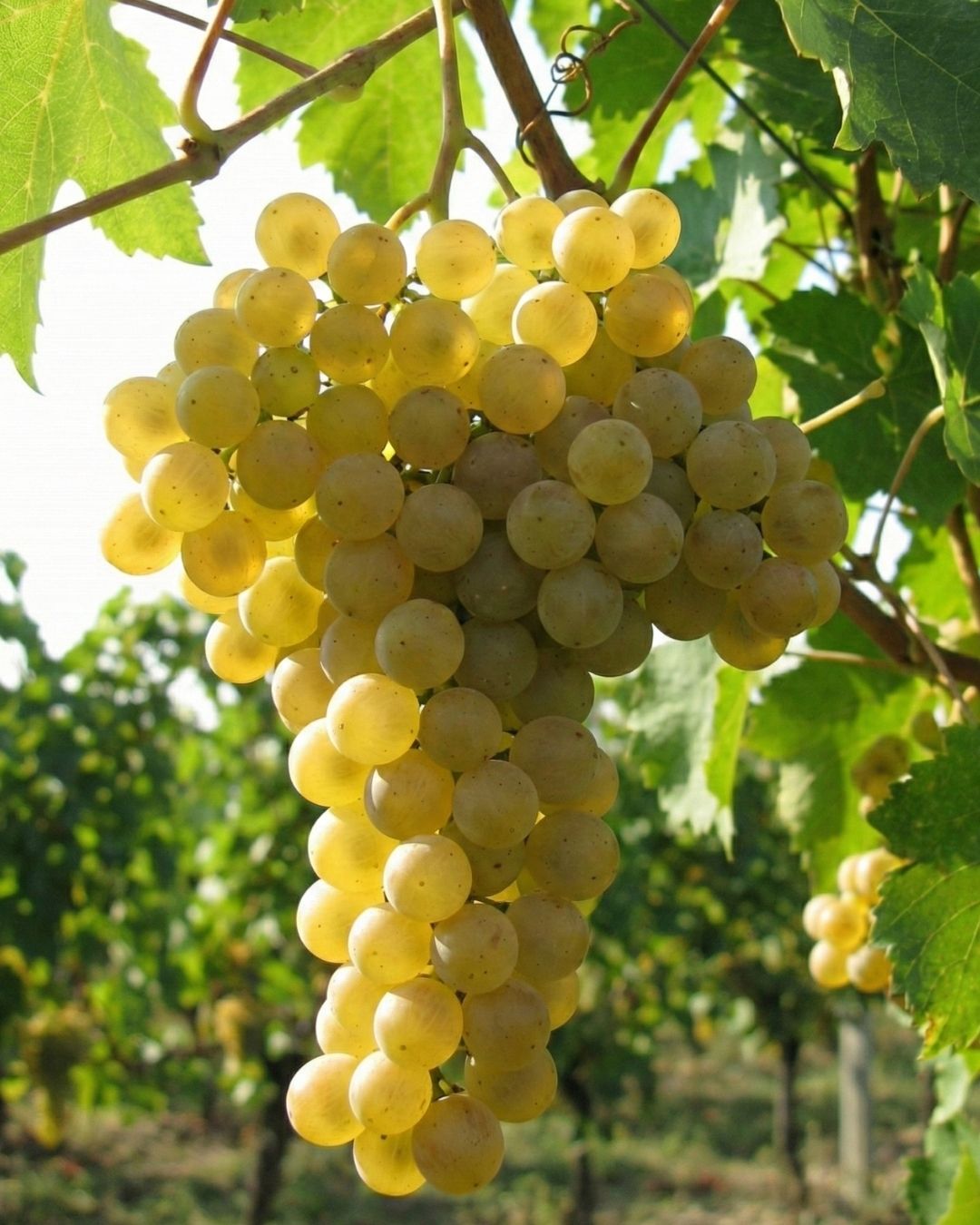
Pairing wine with Turkish quince, especially the dessert version, requires a wine that can match its intense sweetness and aromatic complexity without being overpowered. The perfect companion comes from the Aegean coast. A Late Harvest Bornova Misketi is the ideal match. This indigenous Turkish grape variety bursts with notes of honeysuckle and apricot, mirroring the floral profile of the quince. The acidity of the wine cuts through the richness of the kaymak, while the sweetness harmonizes with the caramelized fruit.
Journey with Confidence
Acıbadem Hospitals Group: Global Excellence in Healthcare
While you immerse yourself in the rich history of Istanbul, your well-being is protected by a future-focused healthcare leader. Acıbadem provides world-class medical services, from comprehensive health screenings to advanced treatments, all delivered with a commitment to your safety and comfort.
Travel with the assurance that you and your loved ones are in the most capable hands.

Experiencing Authentic Turkish Quince
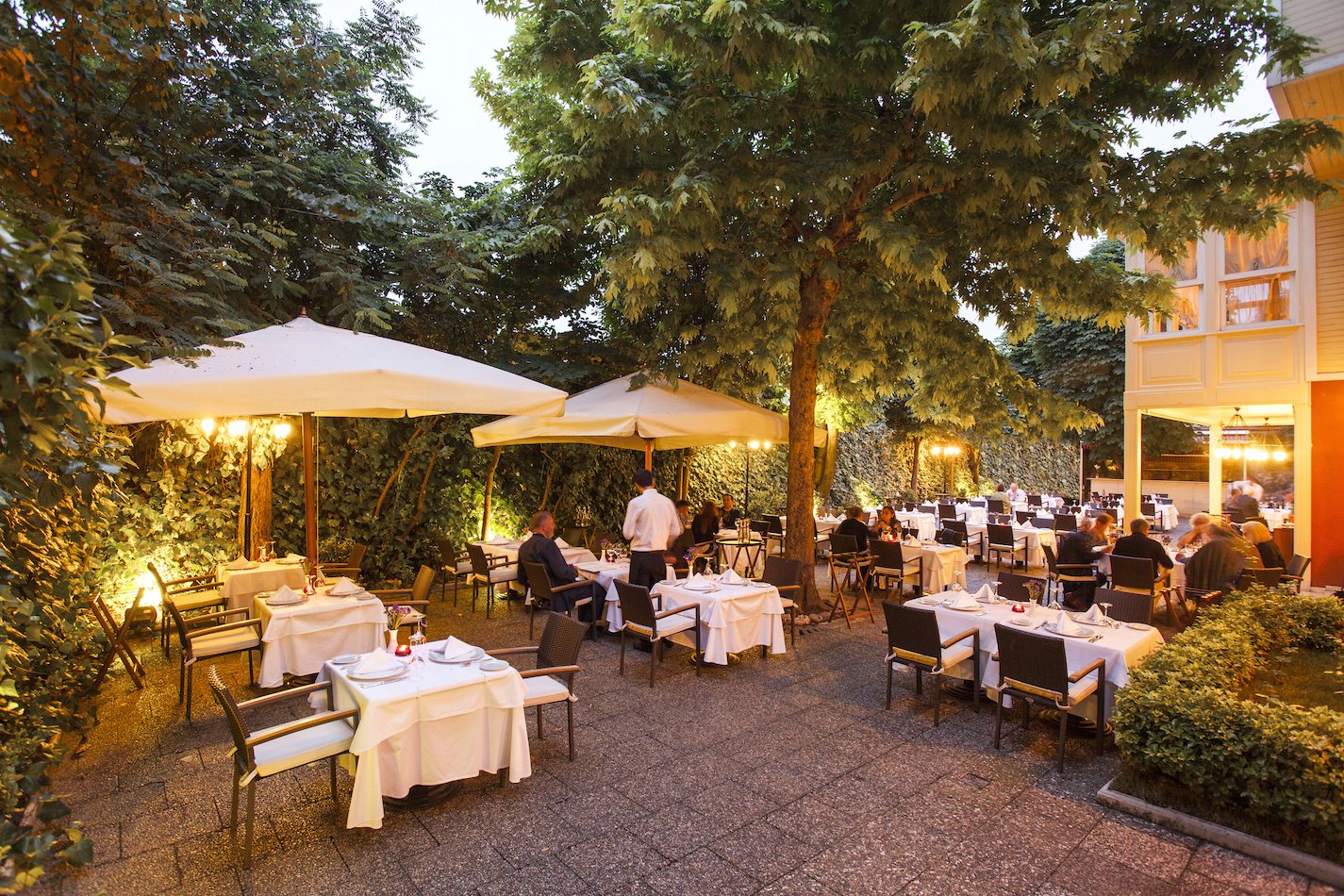
To taste the Turkish quince in its most traditional form, one must look for established institutions that refuse to take shortcuts.
Insider Tip: The "Red Flag" Test
How to spot a tourist trap? If the Ayva Tatlısı is a neon, candy-apple bright red, it has likely been dyed with food coloring. Authentic quince dessert has a deep, slightly translucent, brownish-crimson hue that comes naturally from the fruit's reaction with heat and sugar over hours of cooking.
FAQ: About Turkish Quince
Can I eat Turkish quince raw like an apple?
Technically yes, but be warned: raw quince is extremely hard, dry, and astringent (it sucks the moisture out of your mouth). While some locals enjoy slices of raw quince sprinkled with salt and lemon, for most travelers, the fruit is inedible until cooked. Heat is the magic key that unlocks its texture and aroma.
Why does the yellow quince turn red in "Ayva Tatlısı"?
This is natural culinary chemistry, not food coloring. When quince is poached slowly for hours with sugar and its own seeds, the tannins in the fruit react with the heat to release a pigment called anthocyanin. This turns the flesh a deep, translucent ruby red. If you see a neon-bright red dessert, it’s likely artificial; authentic quince is a darker, brownish-crimson.
When is the best time to eat quince in Turkiye?
Quince is the ultimate winter fruit. The season starts in late October, peaks in December and January, and runs through February. This is when the fruit is at its most fragrant and the “Ayva Tatlısı” in restaurants is made from fresh, not stored, produce.
What does cooked quince taste like?
Imagine a cross between a pear and a golden delicious apple, but with a denser texture that holds its shape instead of turning to mush. The flavor is floral and aromatic, with distinct notes of vanilla, citrus, and honey. It is less sugary than other fruits, which makes it perfect for heavy syrups or savory meat stews.
How should I serve the quince dessert?
In Turkiye, “Ayva Tatlısı” is rarely eaten alone. It is almost legally required to be served with a thick dollop of Kaymak (clotted buffalo cream) and a sprinkle of crushed pistachios or walnuts. The rich, unsweetened fat of the cream cuts through the intense sweetness of the syrup, creating the perfect balance.
