





A Guide to Turkish Ingredients
Authentic Turkish Cuisine is not defined by recipes, but by the soil. To understand the food, you must first understand the raw materials. From the spice markets to the vineyards, explore the essential Turkish ingredients at their seasonal peak. This living archive curates where to find them, how locals cook them, and which regional wine lifts their flavour.
A Guide to Turkish Ingredients
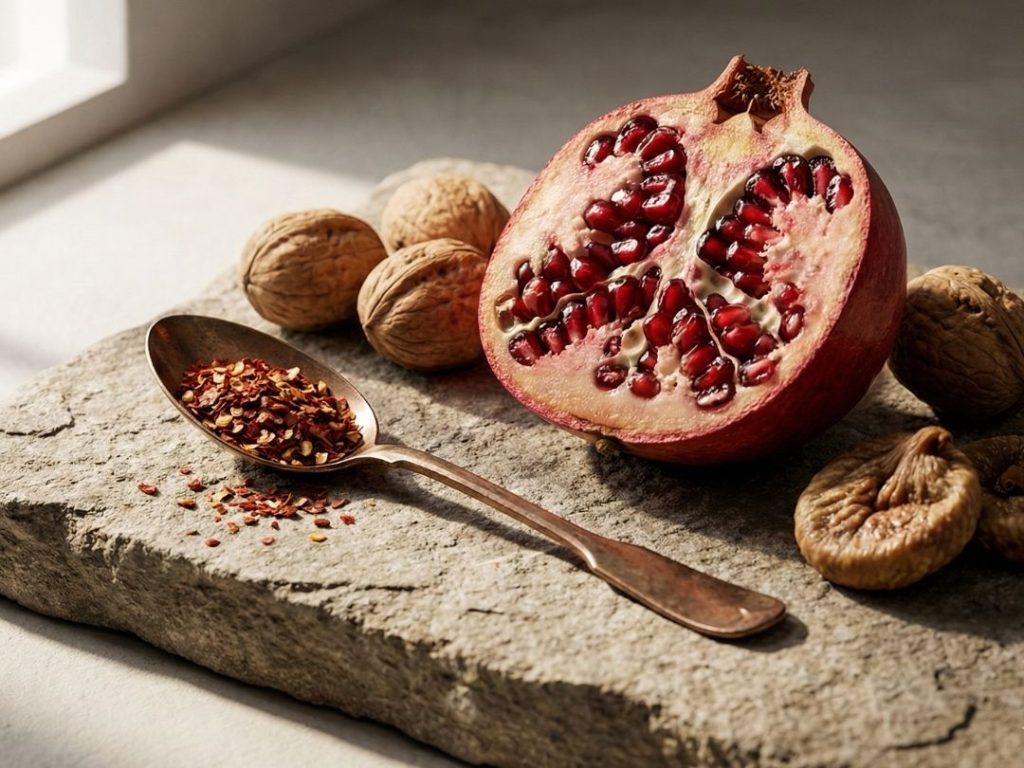

Star Ingredient of December in Turkish Cuisine
Each month nature writes a new menu across Anatolia. This living post spotlights the one ingredient at its absolute peak—where to pick it, how locals cook it and which regional wine lifts its flavour. Check back monthly and let the calendar, not the algorithm, decide what lands on your plate next.
Enrich Your Exploration

Four Seasons:
Bosphorus, Perfected

Garenta: Discover More of Istanbul
the landmarks; experience the
real city. Garenta offers the freedom to discover Istanbul's hidden treasures at your own pace.

Explore Essential Turkish Ingredients
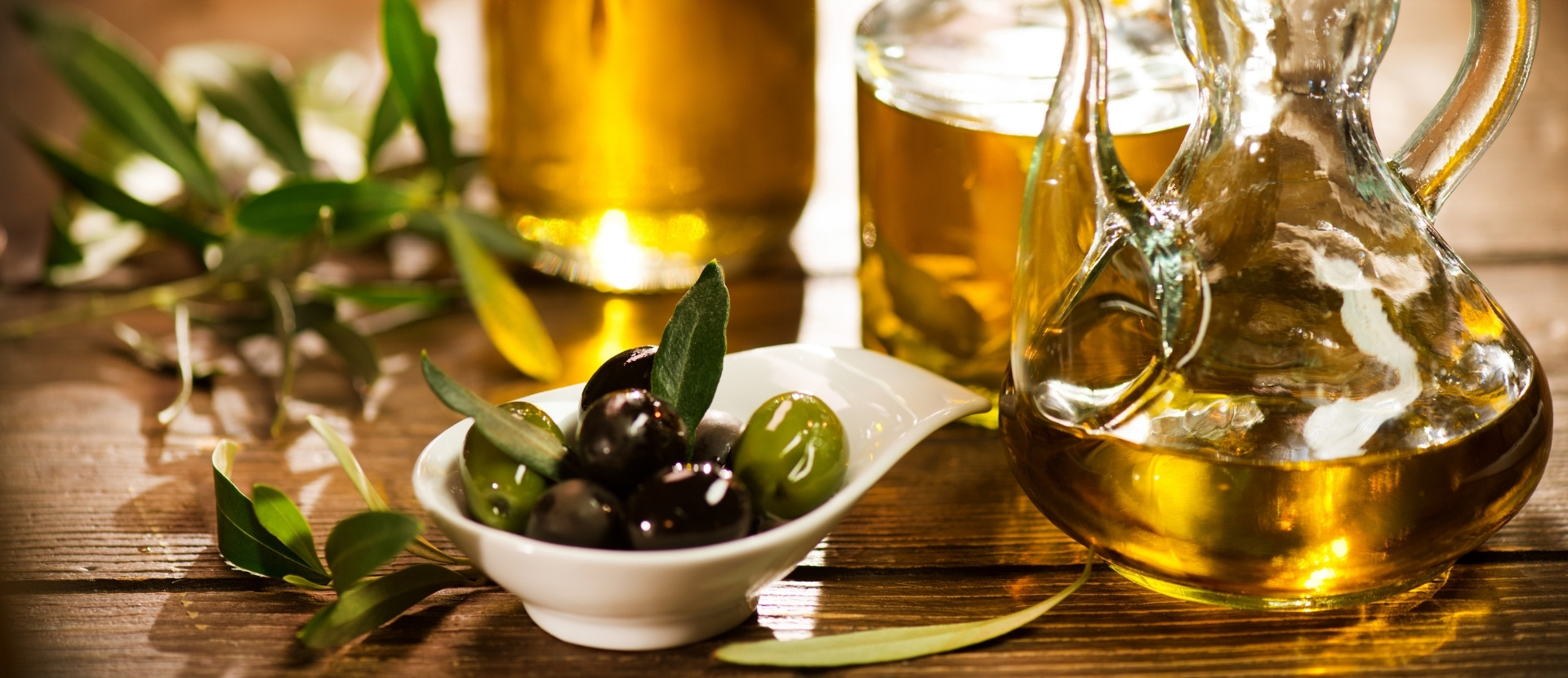
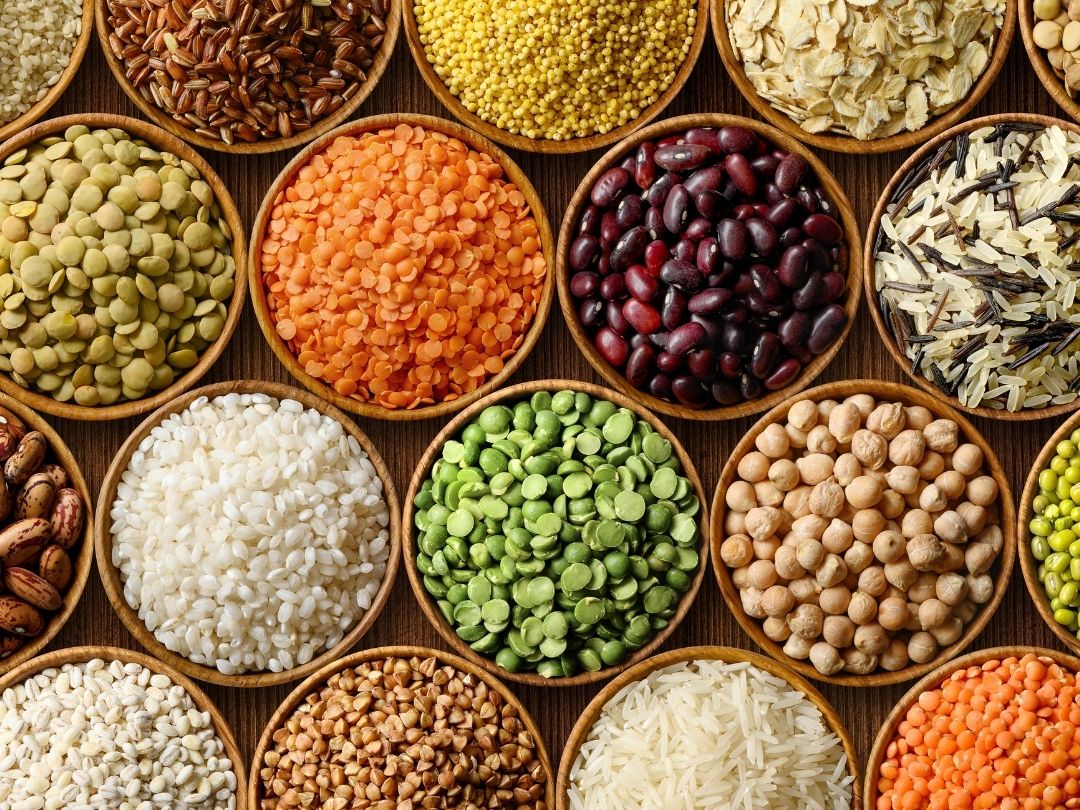
Anatolia is a bridge between continents and climates, resulting in an agricultural diversity found nowhere else. Here, we break down the pillars of the Turkish kitchen—from the “liquid gold” of Aegean olive oil to the ancient grains of Mesopotamia and the aromatic spices of the Silk Road
Seasonal Guide to Turkish Ingredients
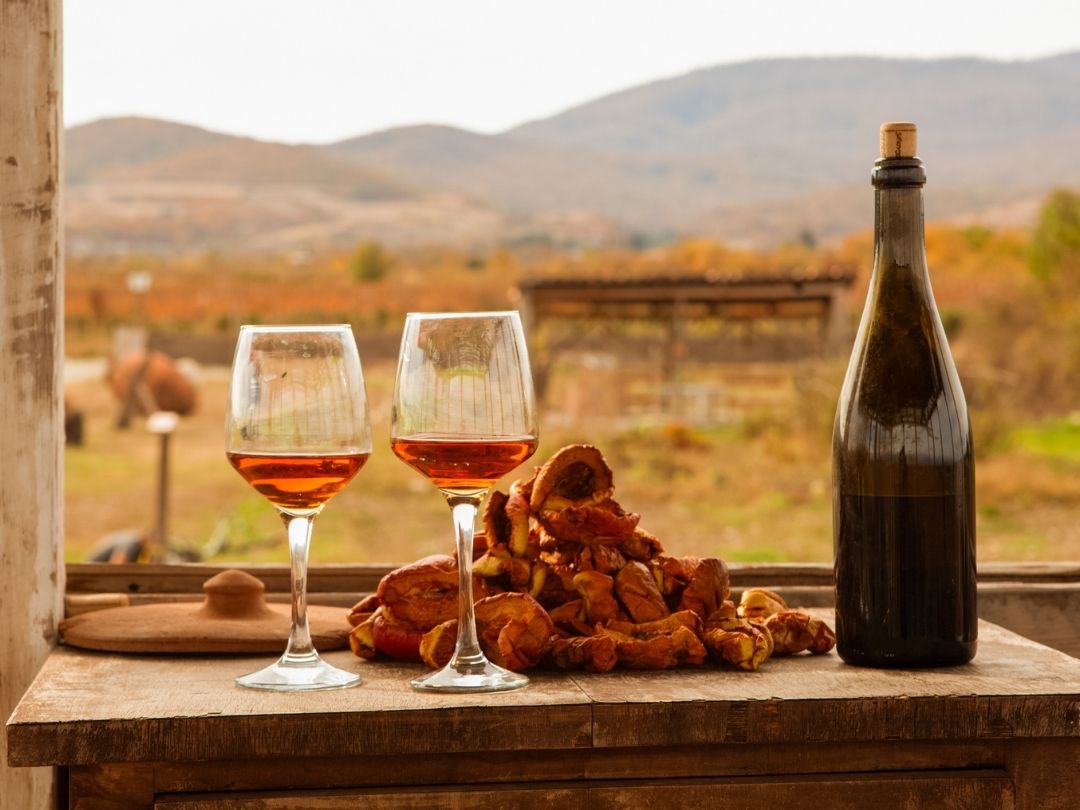
In Turkey, the calendar dictates the table. Eating seasonally is not a trend; it is a way of life. Navigate our harvest calendar to discover which ingredients are currently at their peak flavor, ensuring you experience the true taste of the country, month by month.
| Month | Star Ingredient | Peak Region | Festival / Event |
|---|---|---|---|
| January | Leek, Mandarine | Aegean, Mediterranean | Antalya Citrus Fest |
| February | Spinach, Quince | Marmara, Aegean | Izmir Organic Fair |
| March | Artichoke, Wild Herbs | Aegean (Urla) | Urla Artichoke Fest |
| April | Spring Lamb, Tulips | Central Anatolia | Istanbul Tulip Fest |
| May | Cherry, Fresh Garlic | Black Sea | Sakarya Cherry Fest |
| June | Sour Cherry, Pistachio | South-East | Gaziantep Pistachio Fest |
| July | Tomato, Peach | Aegean, Marmara | Bursa Peach Fest |
| August | Eggplant, Grape | Mediterranean | Elazığ Grape Fest |
| September | Pomegranate, Fig | Mediterranean, Aegean | Silifke Pomegranate Fest |
| October | Pumpkin, Olive | Aegean | Urla Olive Oil Fest |
| November | Quince, Chestnut | Black Sea, Marmara | Bursa Chestnut Fest |
| December | Leek, Mandarine (late) | Mediterranean | Antalya Winter Citrus |
The Edible Souvenir Checklist
Don’t fill your suitcase with trinkets. The best memories of Turkiye are the ones you can taste. We have curated the ultimate shopping list of non-perishable, authentic ingredients that will allow you to recreate the magic of Turkish cuisine in your own kitchen.
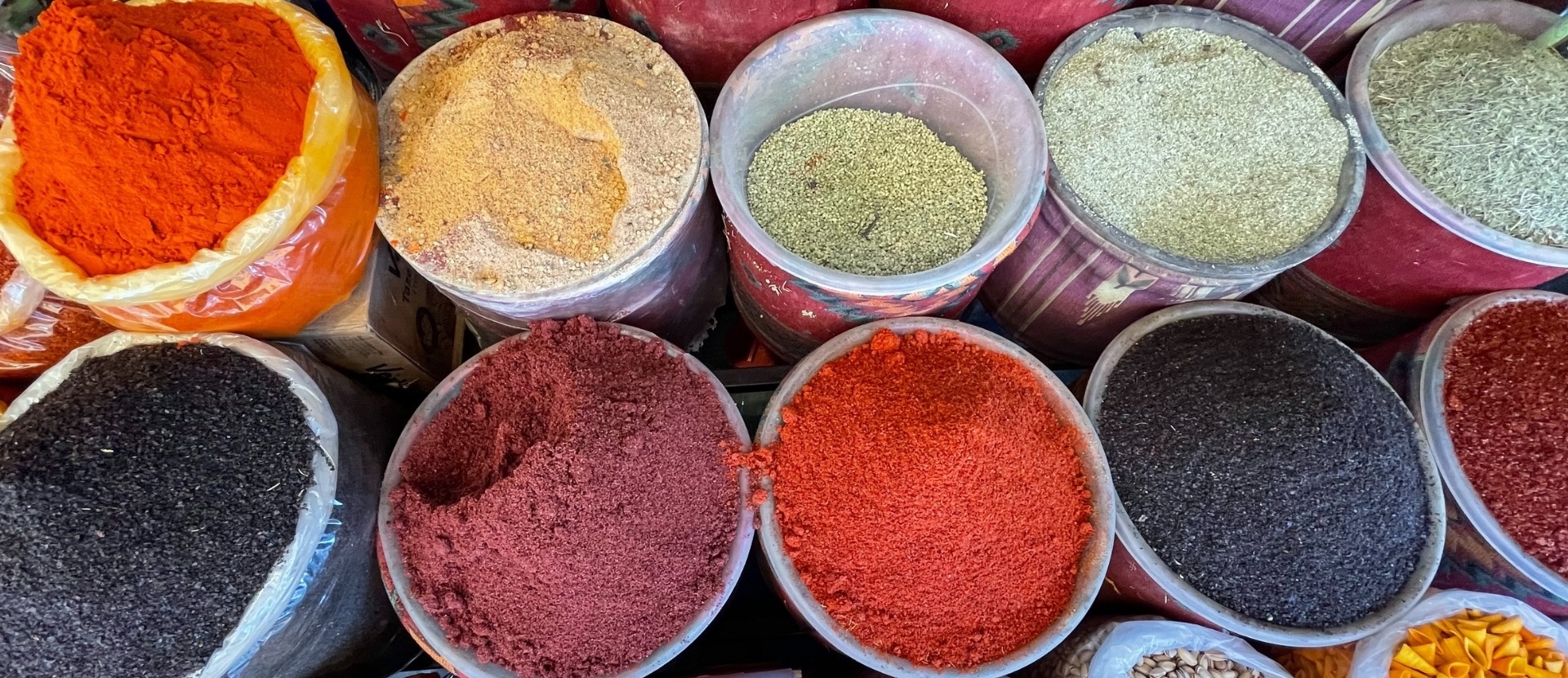
The Spice Market
- ✔ Sumac (Dried berry powder)
- ✔ Isot Pepper (Smoky Urfa pepper)
- ✔ Pul Biber (Aleppo pepper flakes)
- ✔ Saffron (Only if verified real!)
Pantry & Sweets
- ✔ Nar Ekşisi (100% Pomegranate Molasses)
- ✔ Pine Honey (Çam Balı - Aegean specialty)
- ✔ Turkish Delight (Double roasted pistachio)
- ✔ Turkish Coffee (Freshly ground)
The Market Glossary: Know Your Labels of Turkish Ingredients
Save this list for your visit to the Spice Bazaar (Mısır Çarşısı).
Anatolia's Forgotten Treasures
Beyond the kebabs and baklava lies a hidden world of endangered, artisanal ingredients protected by geography and tradition. These are the “Slow Food” icons of Turkiye—ancestral seeds, cave-aged cheeses, and endemic fruits that refuse to be industrialized. Tasting them is an act of preserving history.
Kars Gravyeri
Often called "Turkish Gruyère," this massive wheel cheese is a legacy of the Russian influence in Kars. Made from the high-altitude milk of Zavot cows and aged for months, it is nutty, complex, and world-class.
Karakılçık Wheat
A non-GMO, ancestral wheat variety from the Aegean (Seferihisar) with a distinct dark awn (black bristle). It has a low glycemic index and a rich, earthy flavor that modern wheat cannot replicate. The Treasure of Turkish Ingredients.
Divle Obruk Cheese
Known as "Turkish Roquefort," this cheese is matured in sheepskin sacks within a specific cave (Obruk) in Karaman. The unique microflora of the cave turns the rind red and the interior creamy and sharp.
The tulip, iconic to the Netherlands, actually originated in the mountains of Central Asia and was brought to Europe by the Ottomans in the 16th century. In Turkish art and cuisine (like sherbets), the tulip remains a symbol of elegance and perfection.
Journey with Confidence
Acıbadem Hospitals Group: Global Excellence in Healthcare
While you immerse yourself in the rich history of Istanbul, your well-being is protected by a future-focused healthcare leader. Acıbadem provides world-class medical services, from comprehensive health screenings to advanced treatments, all delivered with a commitment to your safety and comfort.
Travel with the assurance that you and your loved ones are in the most capable hands.

Culinary Chronicles
Turkish Cuisine is a tapestry woven from thousands of years of history, migration, and ritual. Here, we go beyond the Turkish Ingredients to explore the heritage recipes, the dining etiquette, and the untold stories that transform a simple meal into a feast for the soul.
FAQ: About Turkish Ingredients
What is the single most essential spice to buy in Turkiye?
While cumin and dried mint are staples, Sumac and Pul Biber (Aleppo Pepper) are the true signatures. Sumac adds a tart, lemony brightness to salads without lemon juice, while Pul Biber adds a rich, oily heat to kebabs and soups.
What does "Zeytinyağlı" mean on a menu?
It literally means “with olive oil.” It refers to a specific category of dishes (usually vegetables like green beans, artichokes, or stuffed vine leaves) that are cooked slowly in generous amounts of olive oil and served cold or at room temperature. It is the heart of Aegean cuisine.
Is the Saffron sold in the spice bazaars real?
Be careful. Much of what is sold as “Turkish Saffron” in tourist markets is actually dried safflower (aspir), which gives color but has no flavor. Real saffron (Safranbolu Saffron) is rare and expensive. If the price seems too good to be true, it is not saffron.
Can I bring Turkish ingredients back home?
Generally, yes. Dried spices, Turkish delight (lokum), tea, roasted coffee, and pomegranate molasses (nar ekşisi) are perfect souvenirs. However, fresh produce, meat products (like pastırma), and some cheeses may be restricted depending on your country’s customs regulations.
Is Turkish food extremely spicy (hot)?
Not by default. Unlike Indian or Thai cuisine, Turkish food focuses on the flavor of the main ingredient rather than masking it with heat. However, the Southeastern region (Gaziantep, Urfa, Adana) is famous for its heat. In Western Turkey, hot pepper is usually served on the side as a condiment.
