





Turkish Regional Cuisine
To speak of a single “Turkish Cuisine” is a misunderstanding. Turkiye is an agricultural continent. From the lush, rainy tea plantations of the Black Sea to the sun-scorched, pepper-laden plains of the Southeast, the landscape dictates the plate. This guide divides the country into its distinct gastronomic zones, exploring how geography, climate, and history have created seven unique kitchens under one flag.
Turkish Regional Cuisine
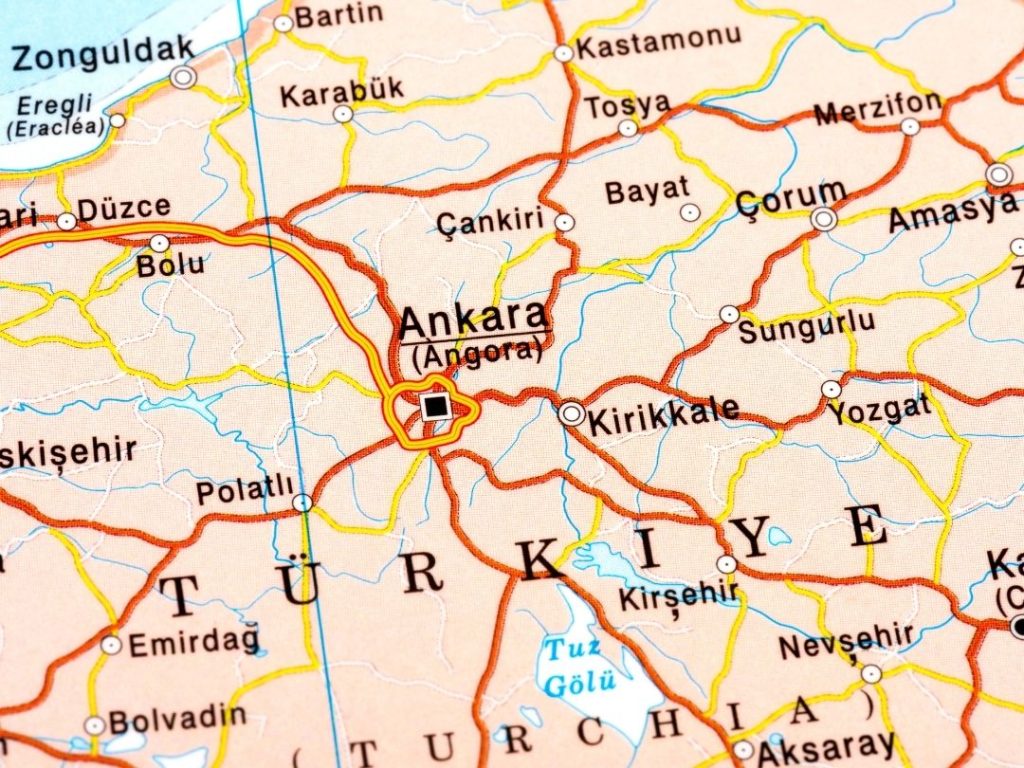
Navigate Turkish Regional Cuisines by Flavor
Select a region to discover its culinary DNA.
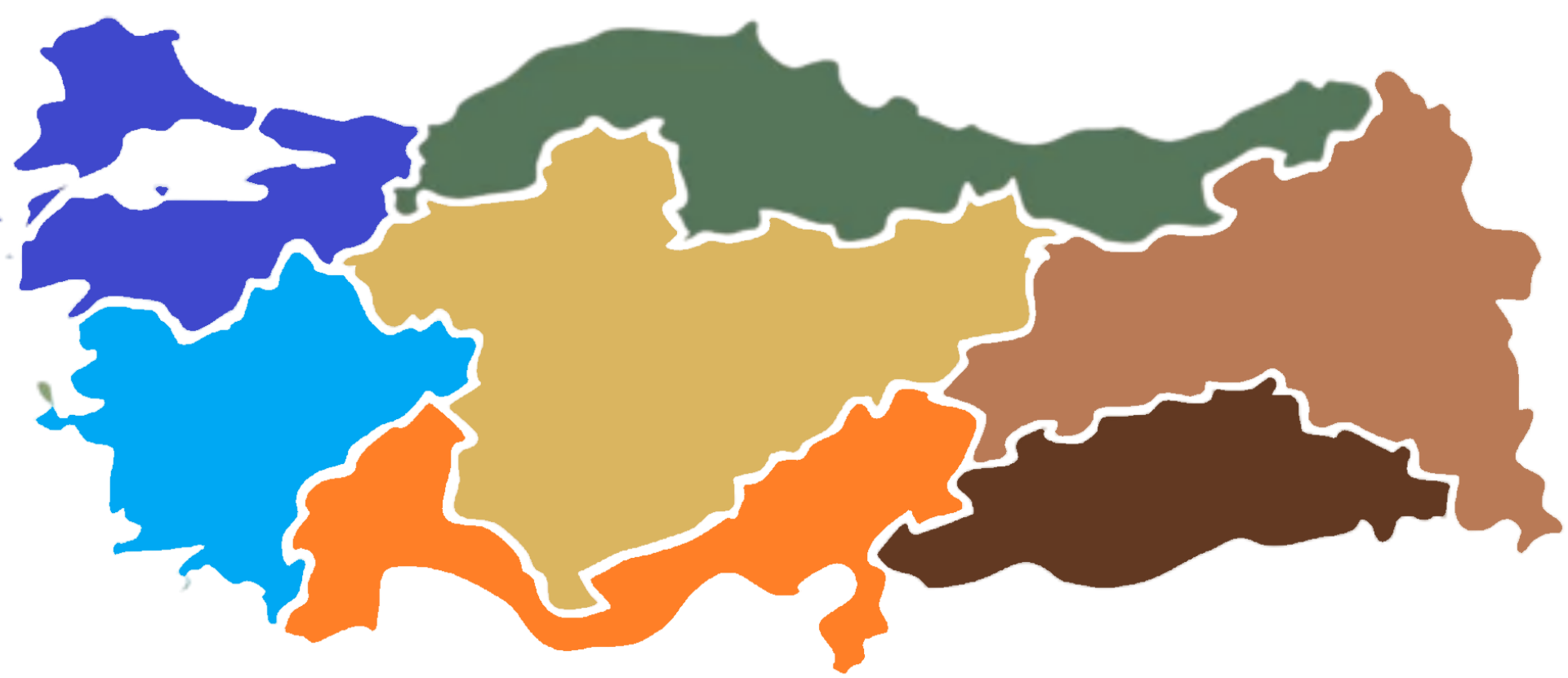
Explore the Map
Click on a region to unlock its ingredients and signature dishes.

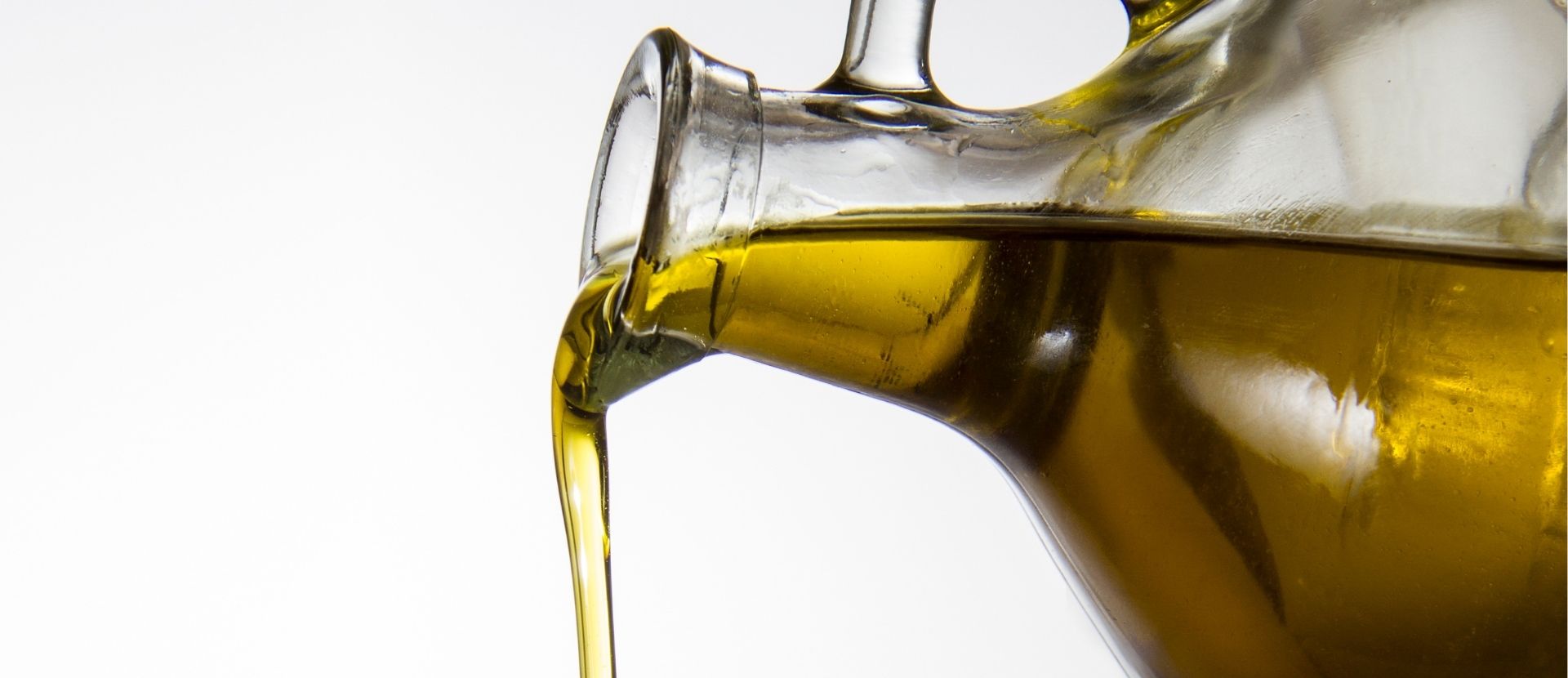
The Empire of Olive Oil & Wild Herbs
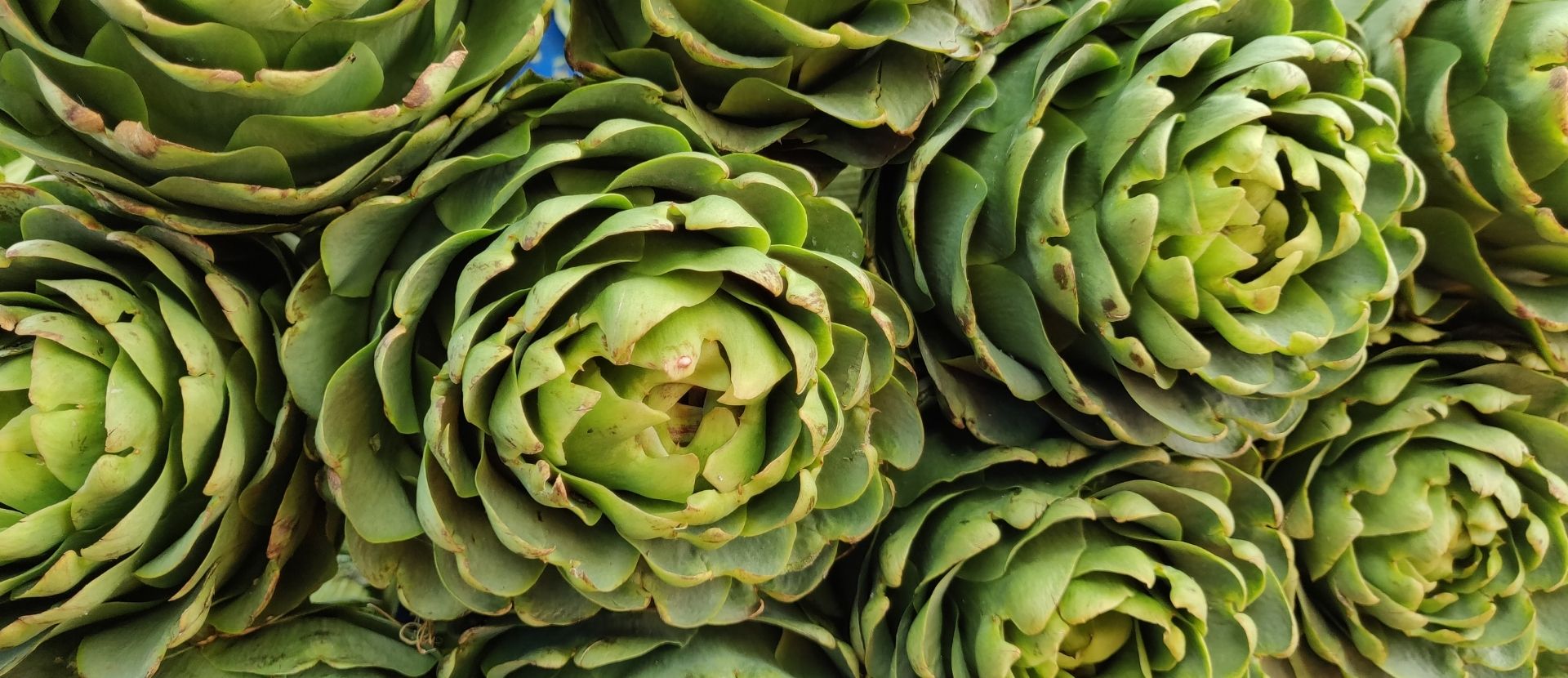
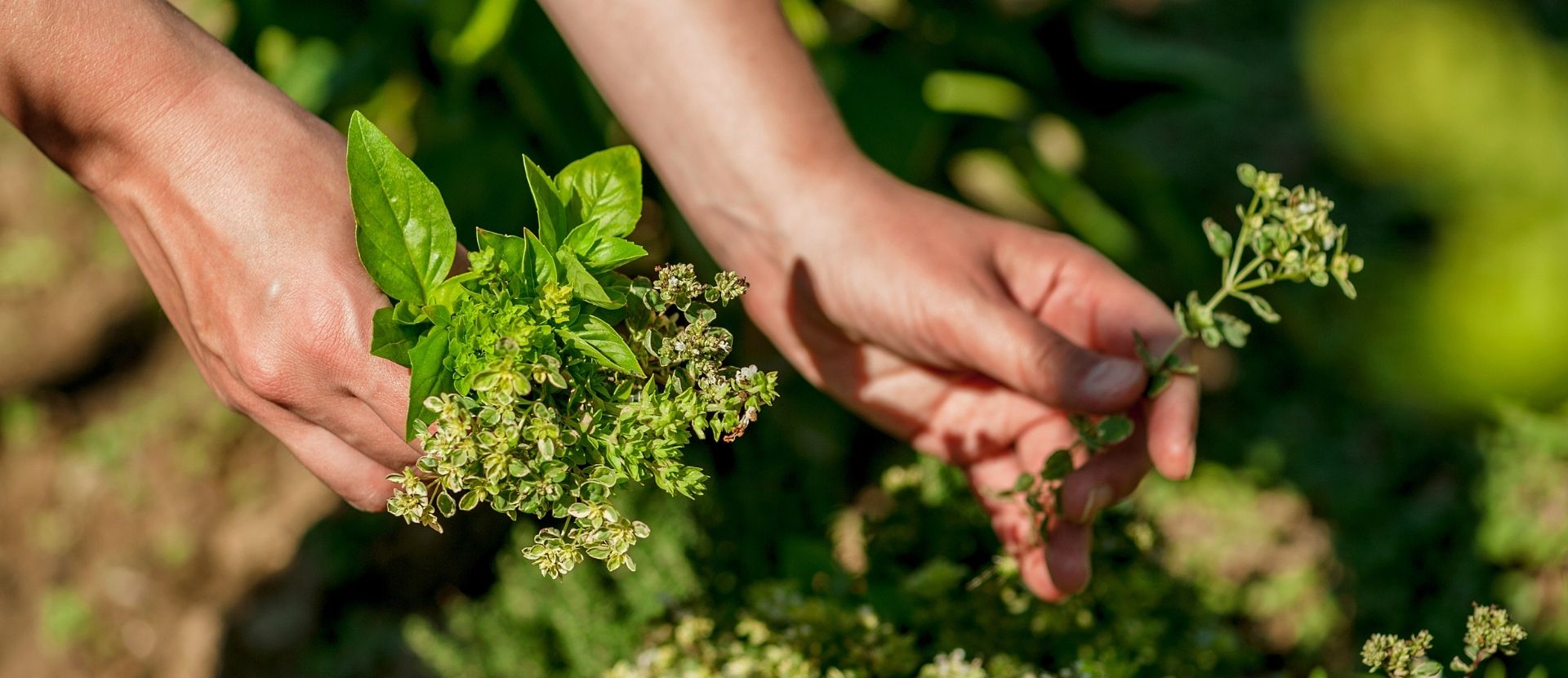
Along the turquoise coast, the kitchen rules are simple: Olive oil is liquid gold, and everything that grows green is edible. This region is the home of “Zeytinyağlılar” (vegetables braised in oil) and a vast culture of wild herbs (Radika, Şevketi Bostan) foraged from the mountains. The flavors are bright, acidic, and incredibly healthy, centered on artichokes, seafood, and the local philosophy of slow living.
Mesopotamia of Fire & Spice
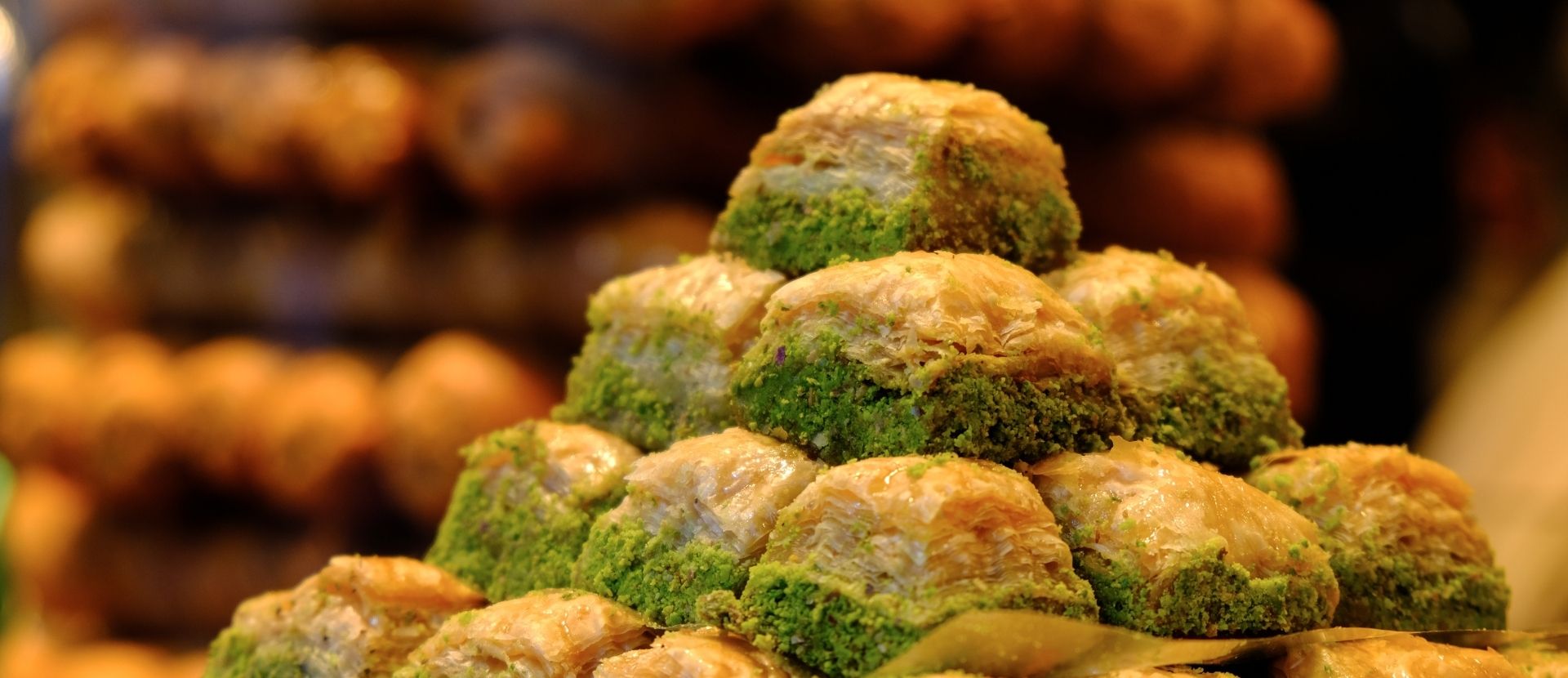
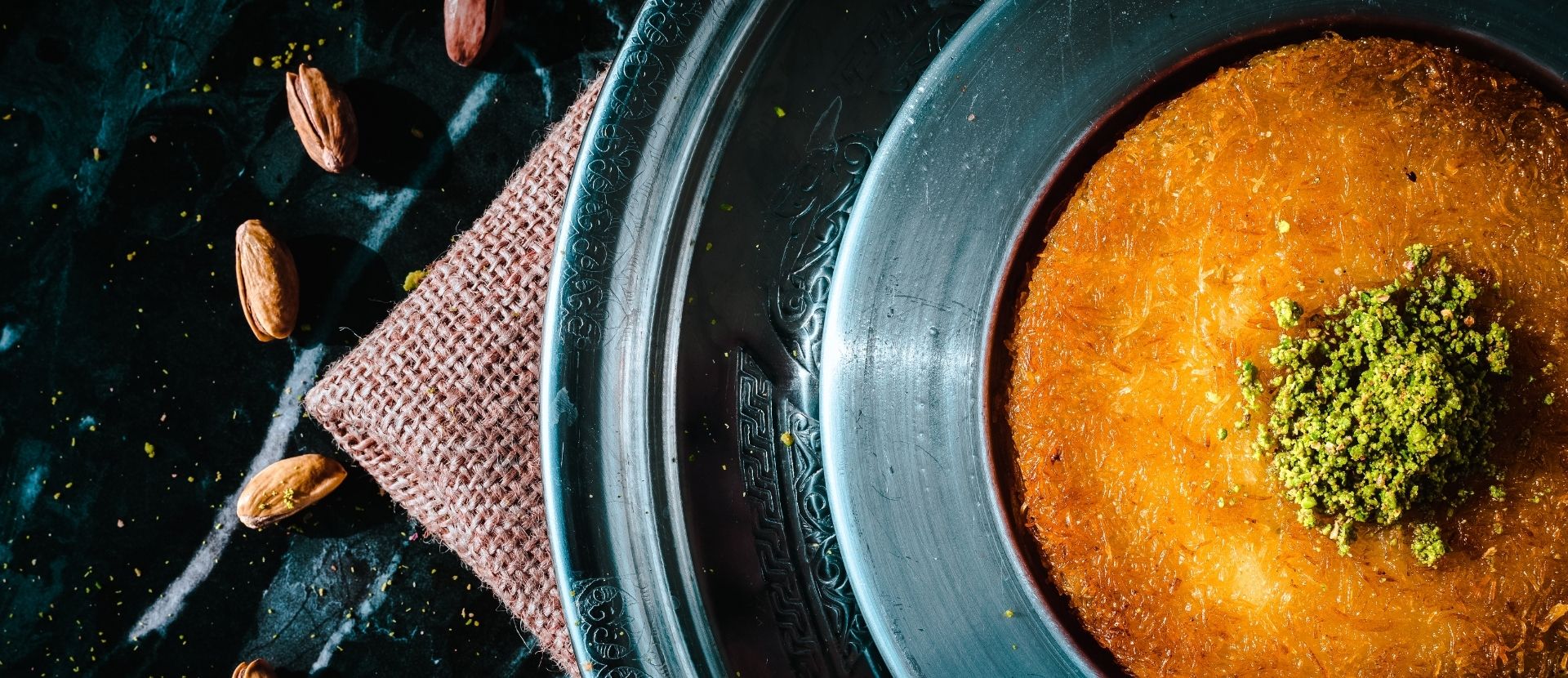
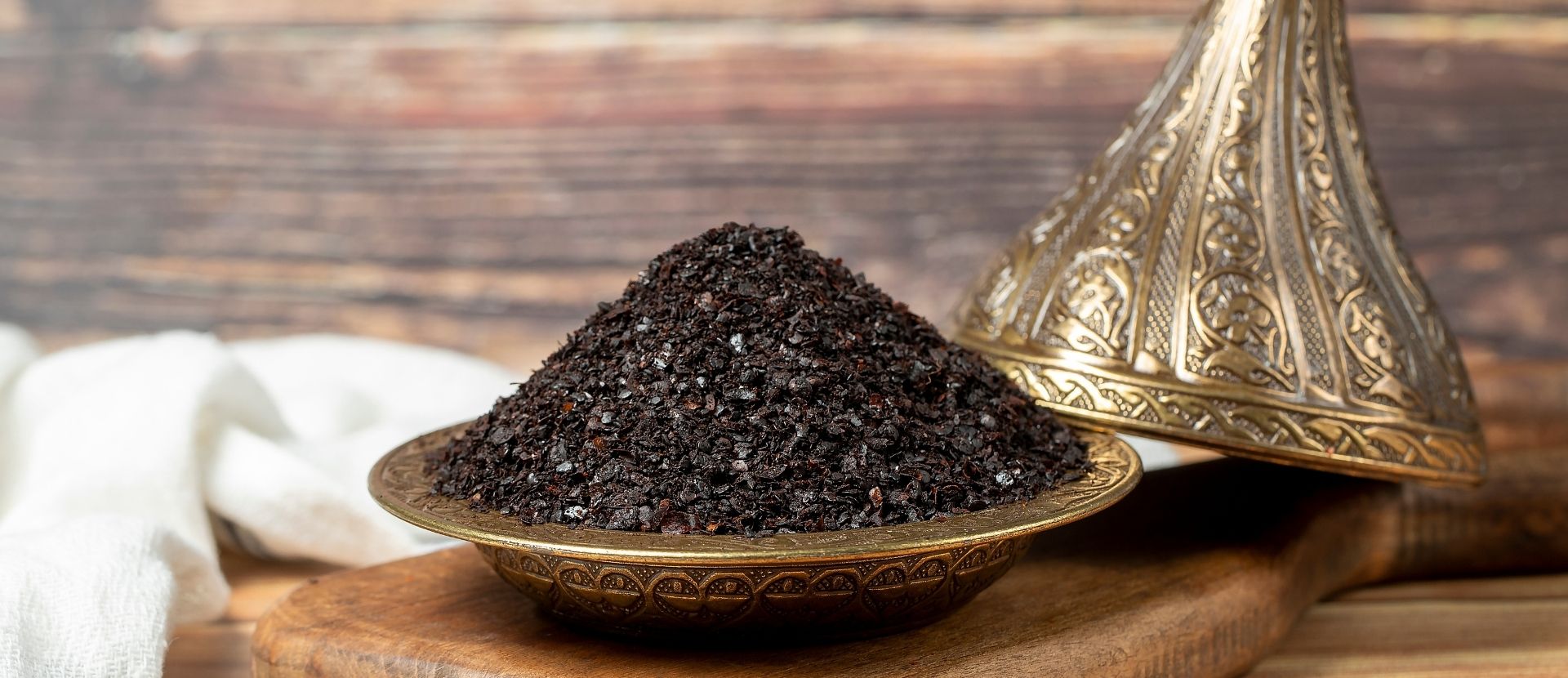
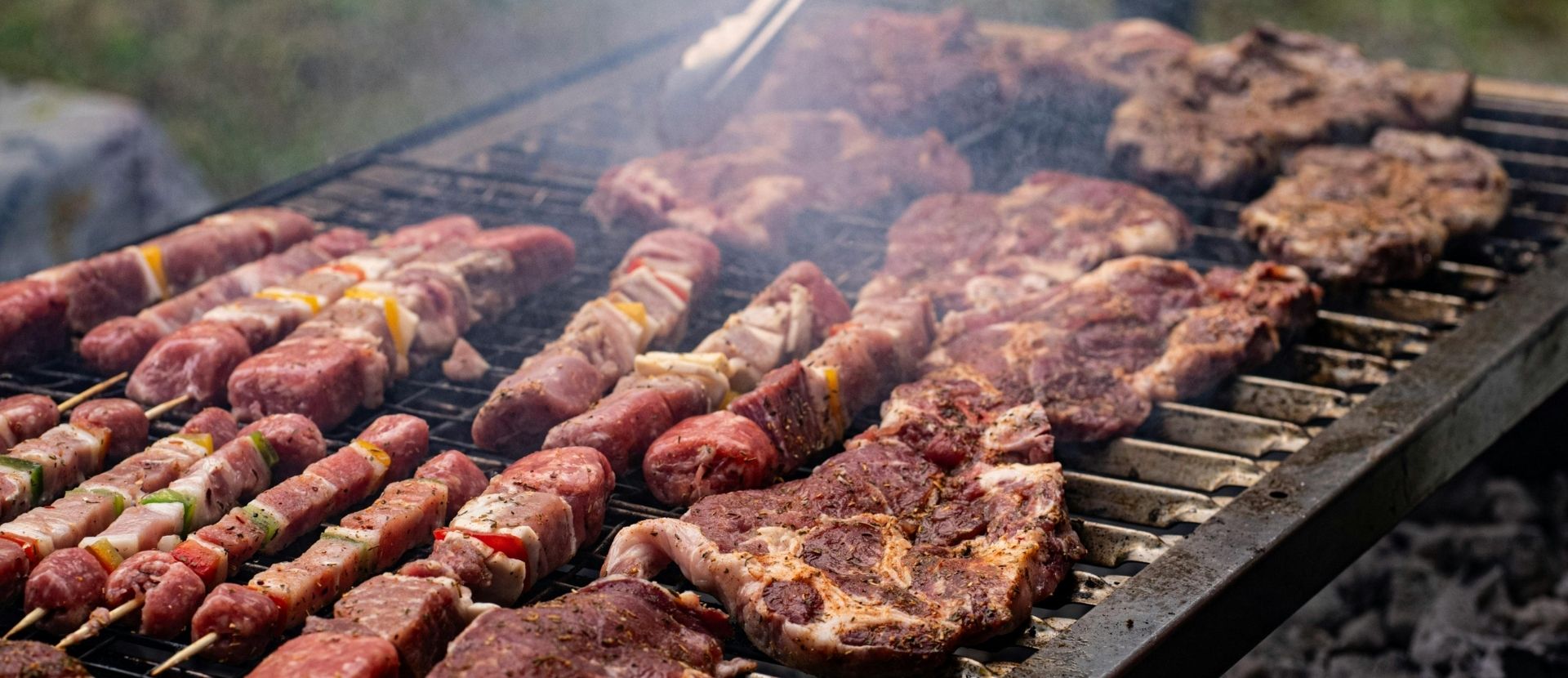
This is the heavyweight champion of flavor. Bordering the Middle East, the cities of Gaziantep, Şanlıurfa, and Hatay form a culinary golden triangle. Here, olive oil is replaced by clarified butter, and herbs are replaced by Isot and Aleppo peppers. This is the land of the world’s finest Kebabs, slow-cooked lamb, and the intricate art of Baklava. It is a cuisine of intensity, heat, and ancient spices.
Enrich Your Exploration

Four Seasons:
Bosphorus, Perfected


Garenta: Discover More of Istanbul
the landmarks; experience the
real city. Garenta offers the freedom to discover Istanbul's hidden treasures at your own pace.

The Highland Kitchen of Corn & Anchovy
Isolated by steep mountains and heavy rain, the Black Sea cuisine is a world apart, sharing more DNA with the Celtic highlands than the Mediterranean. The staples here are unique: Corn flour, kale (Karalahana), hazelnuts, and the obsession with Hamsi (Anchovy). The signature dish, Muhlama, is a fondue-like blend of cornmeal, potent local cheese, and massive amounts of butter, designed to fuel life in the high plateaus.
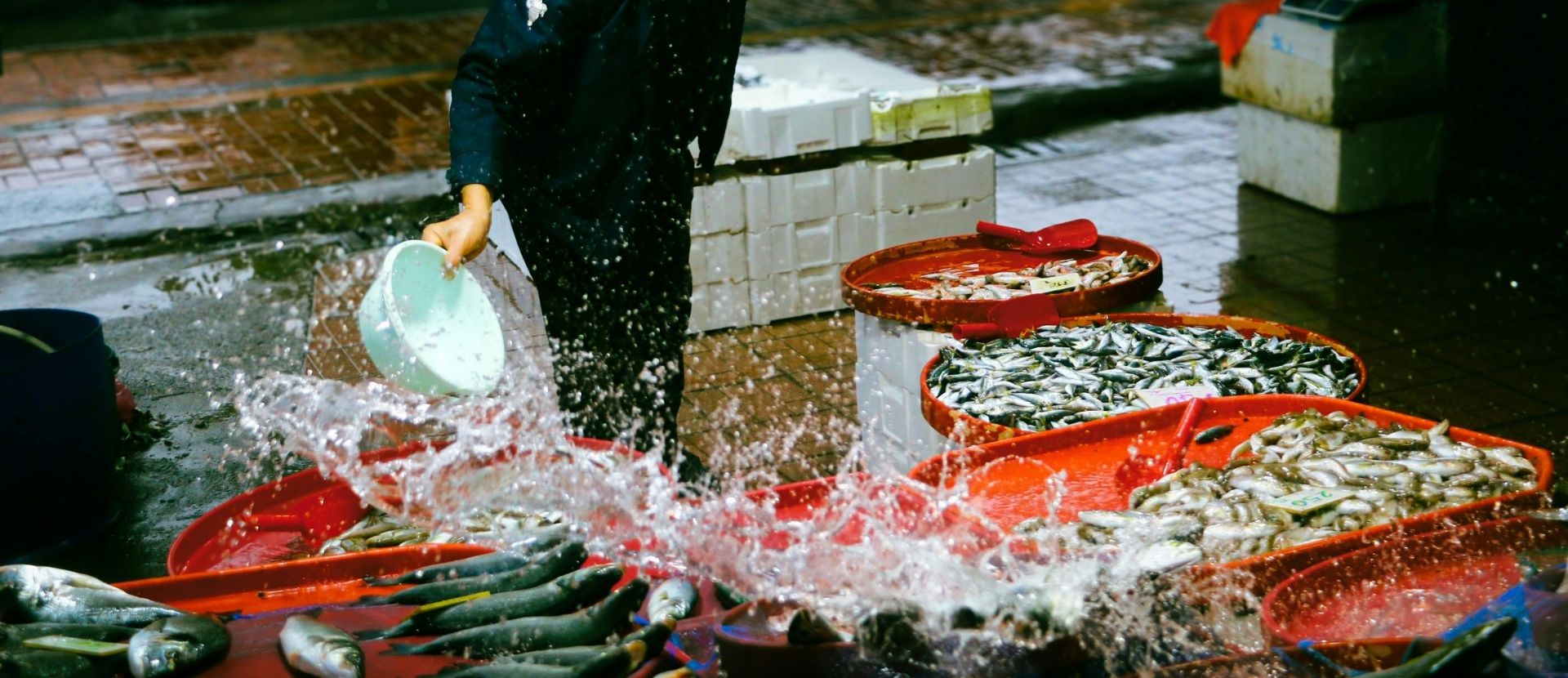
For the Black Sea people, Hamsi (Anchovy) is more than food. When in season, it is eaten for breakfast, lunch, and dinner. It is used in bread (Hamsikoli), rice pilaf (Hamsili Pilav), pickles, and locals even make Hamsi Jam and Baklava. It defines the region's identity.
The Great Imperial Fusion
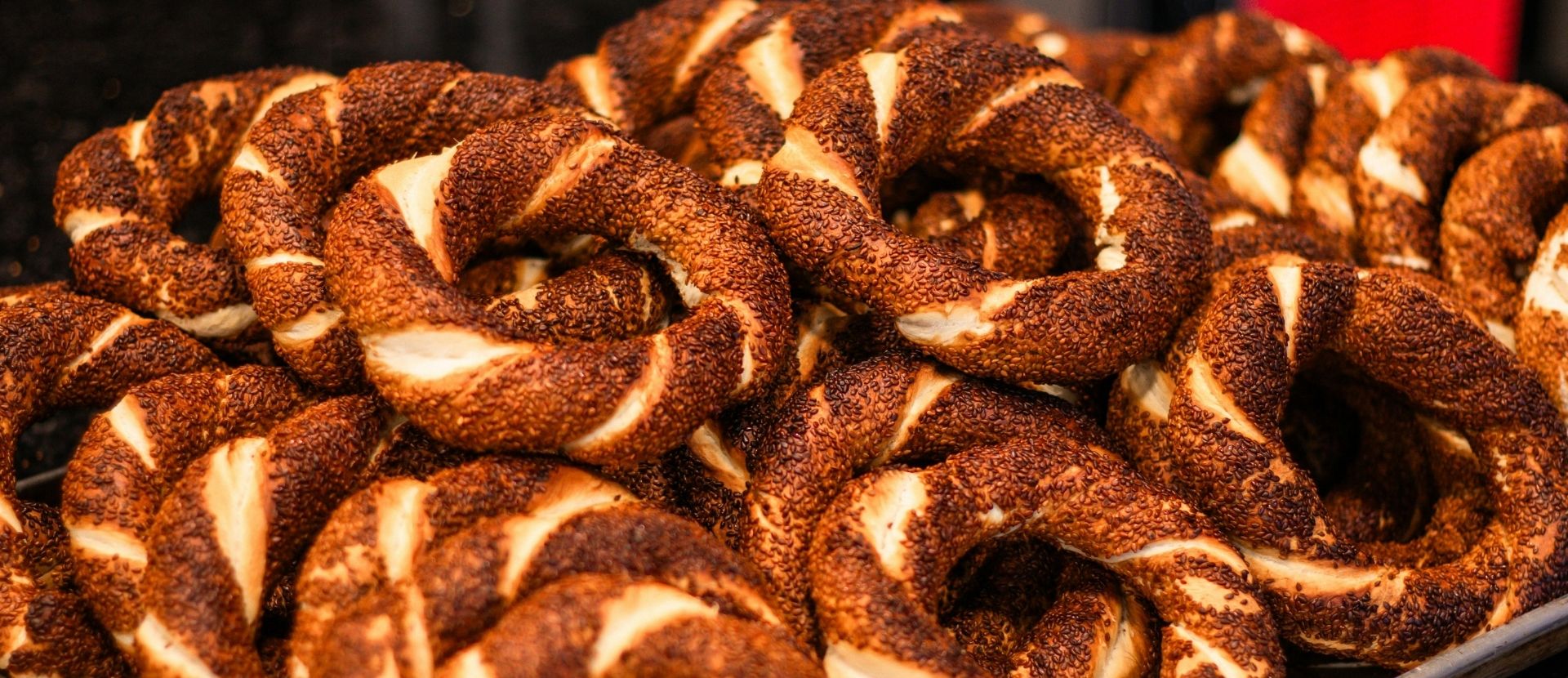
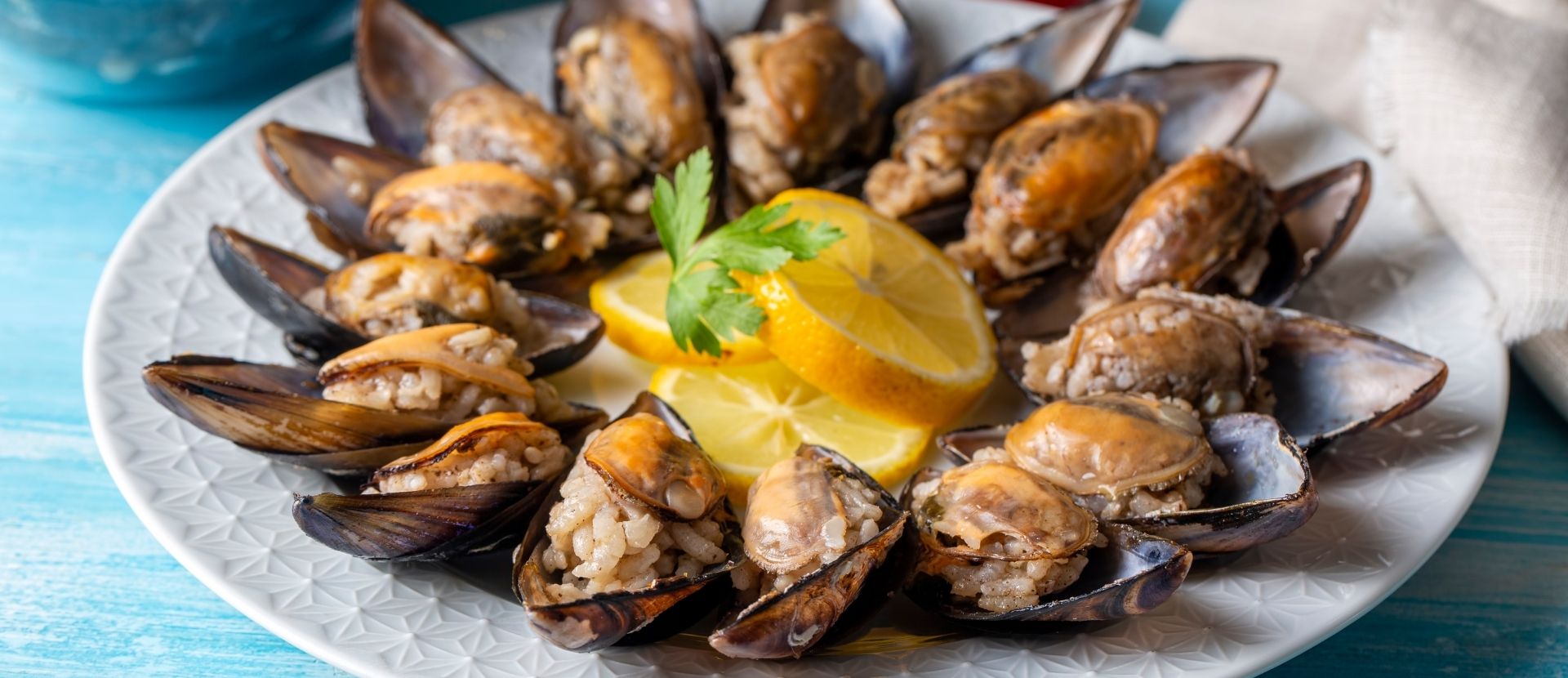
Istanbul is the melting pot where all these regional cuisines collide. As the former Ottoman capital, it is the home of sophisticated Palace Cuisine, but as a city of migrants, it is also the capital of Street Food. From the Bosphorus fish sandwiches to the endless varieties of Simit, Istanbul takes the best of Anatolia and refines it into a fast-paced, cosmopolitan menu.
The Ancient Hearth of Wheat & Lamb
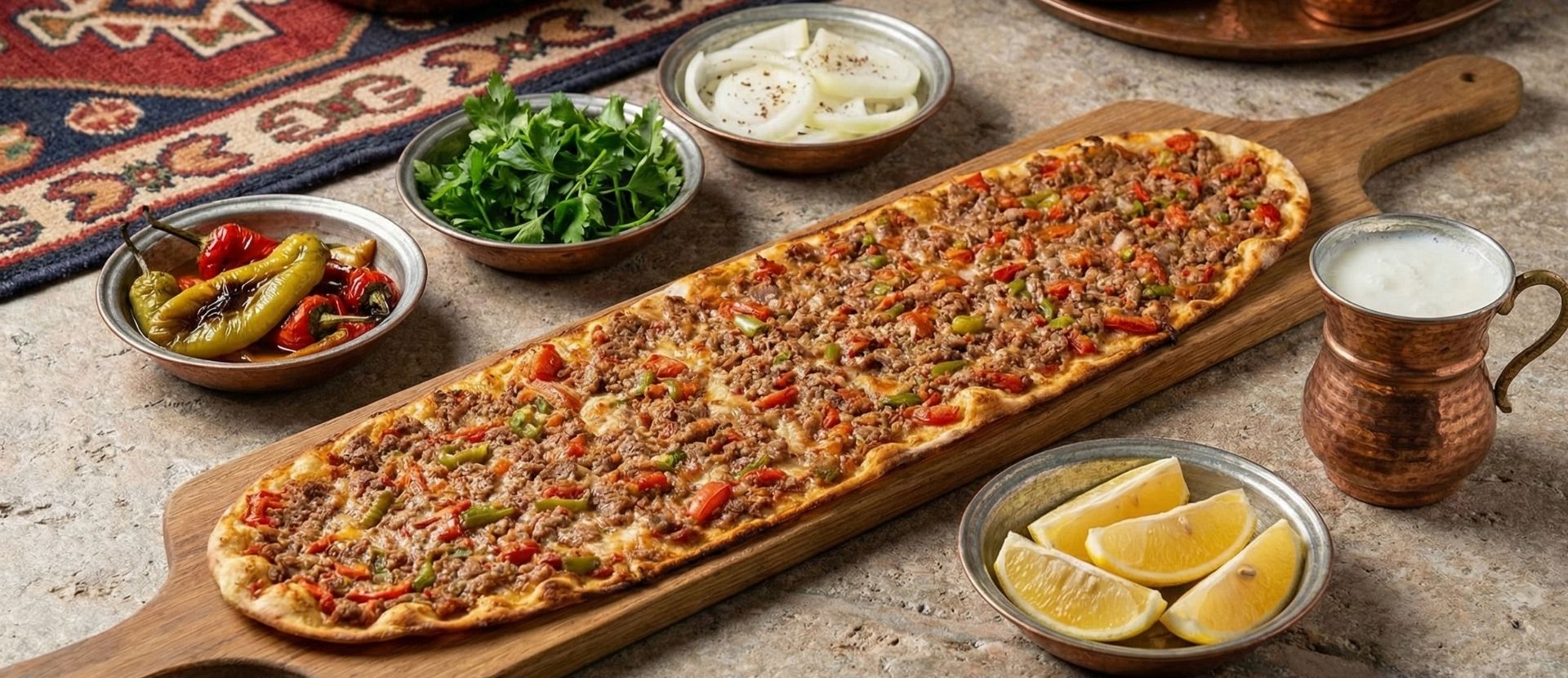
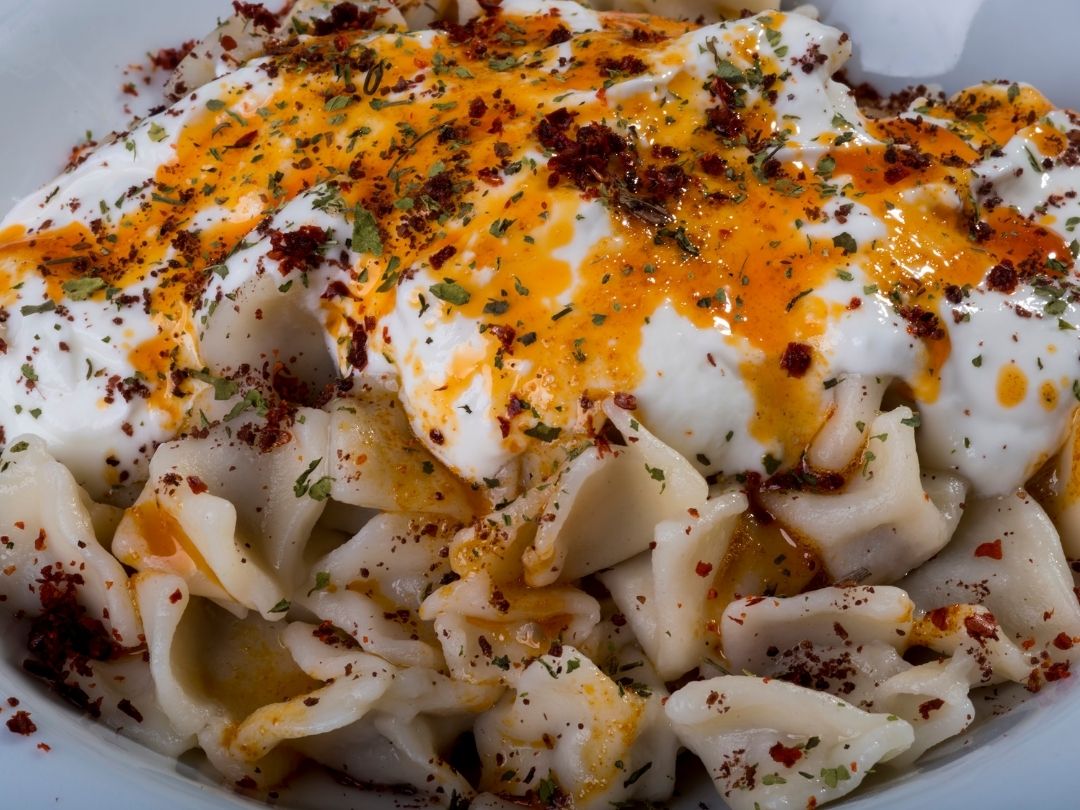
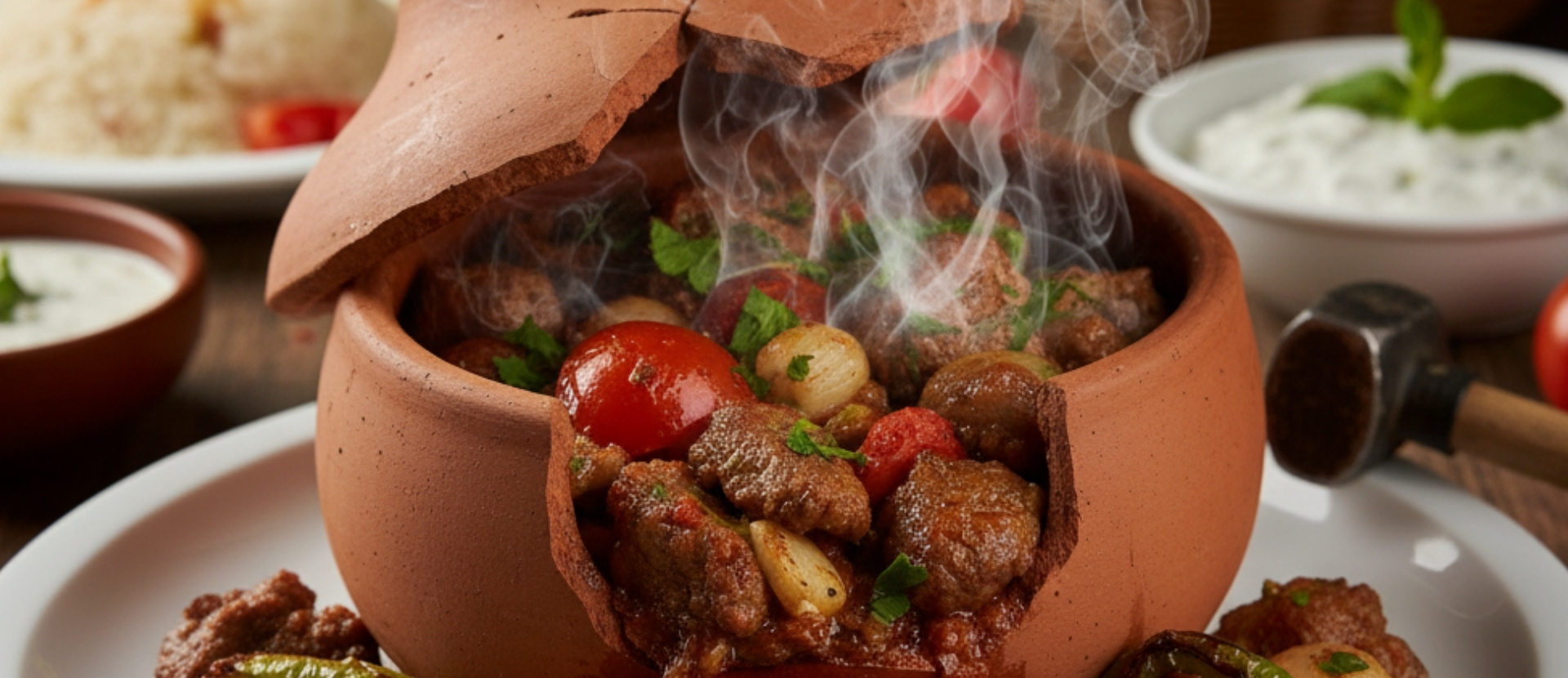
The vast steppes of Central Anatolia are the breadbasket of the country. This is the land of Wheat, manifested in endless varieties of Börek (pastries), Manti (dumplings), and Etli Ekmek. The cuisine revolves around the Tandır (clay oven), where meats are slow-cooked for hours until they fall off the bone. It is hearty, unpretentious comfort food that has sustained civilizations for millennia.
Where the Taurus Mountains Meet the Sea
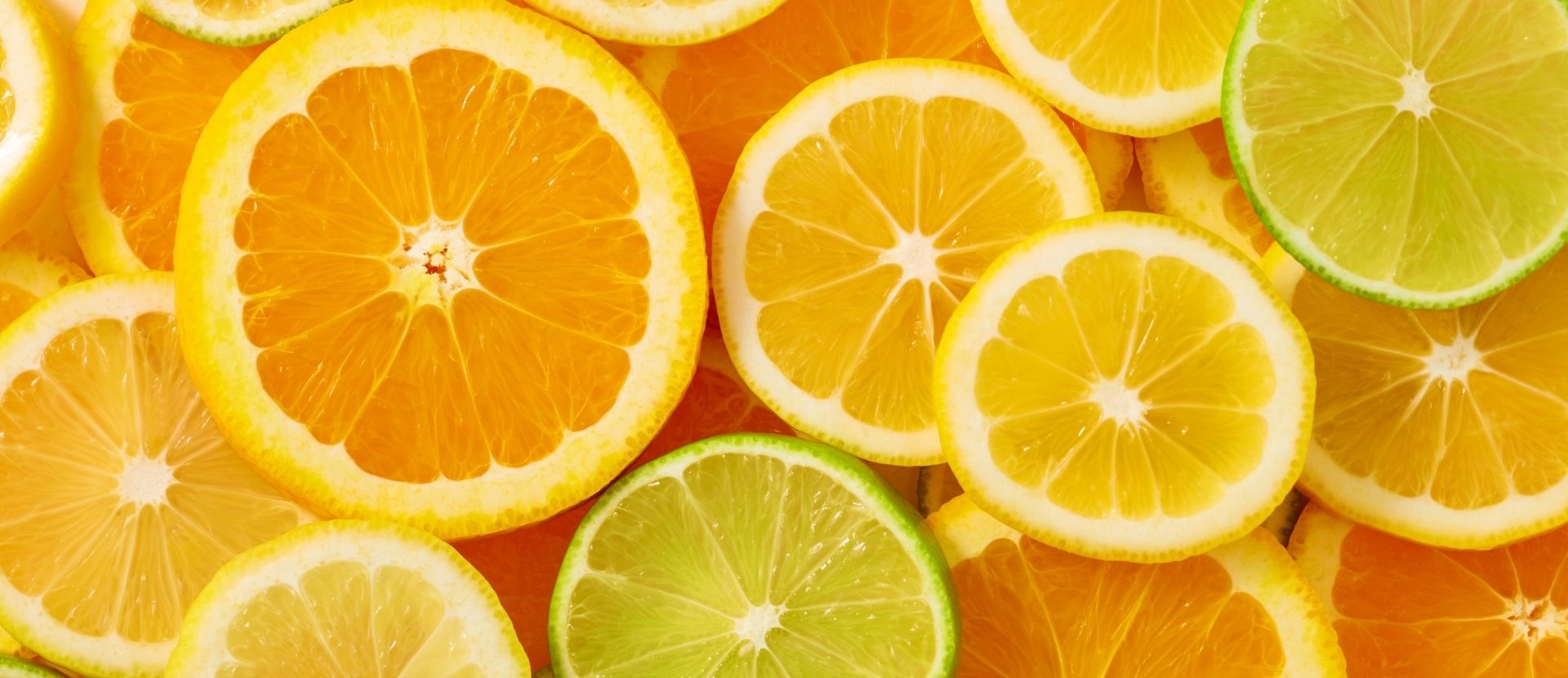
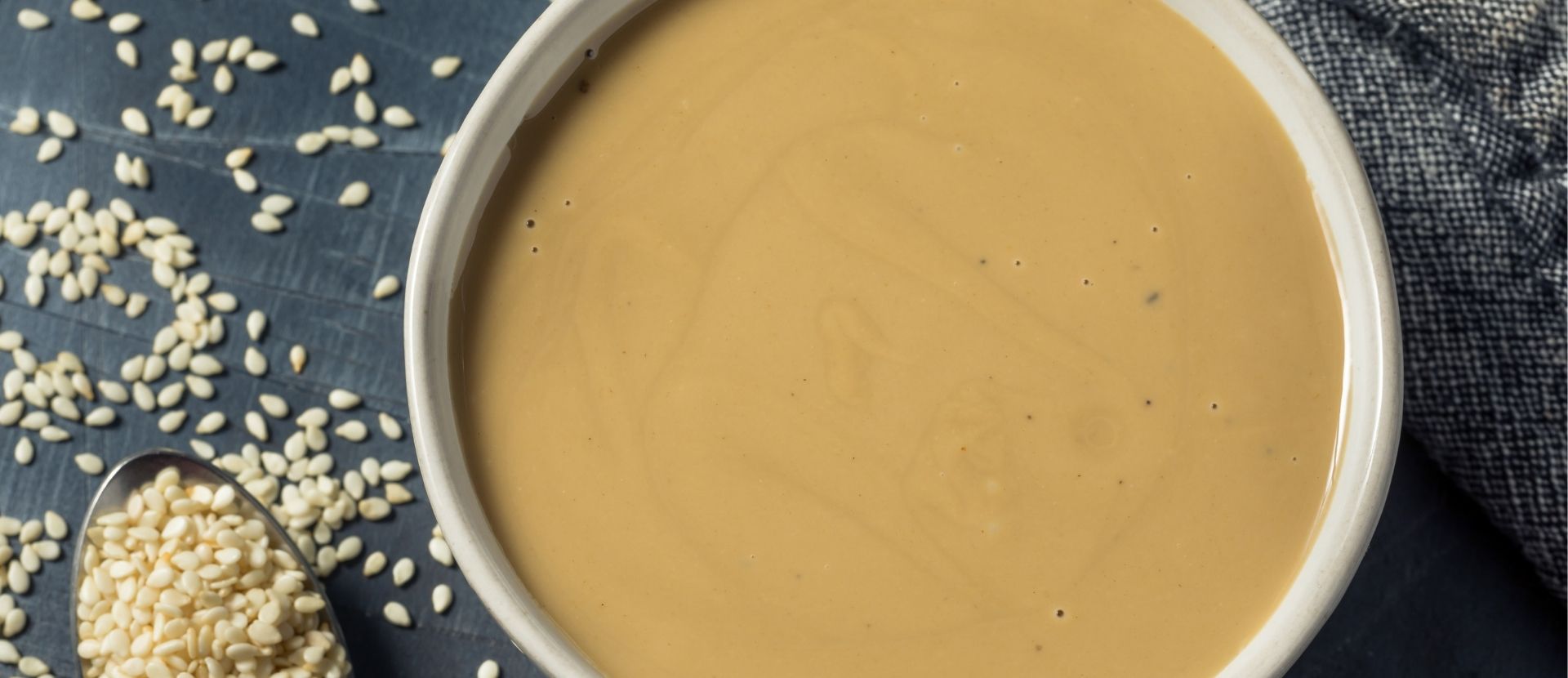
While the Aegean is about olive oil, the Mediterranean is about citrus, sesame, and goat meat. Sheltered by the massive Taurus Mountains, this region acts as a massive greenhouse, producing Turkey’s finest oranges, bananas, and avocados. The cuisine is influenced by the nomadic Yörük culture—expect simple grilled meats, goat cheeses, and a heavy use of Tahini (sesame paste), which famously transforms the humble bean salad into the rich Antalya Piyazı.
Journey with Confidence
Acıbadem Hospitals Group: Global Excellence in Healthcare
While you immerse yourself in the rich history of Istanbul, your well-being is protected by a future-focused healthcare leader. Acıbadem provides world-class medical services, from comprehensive health screenings to advanced treatments, all delivered with a commitment to your safety and comfort.
Travel with the assurance that you and your loved ones are in the most capable hands.

The High-Altitude Kitchen of Survival
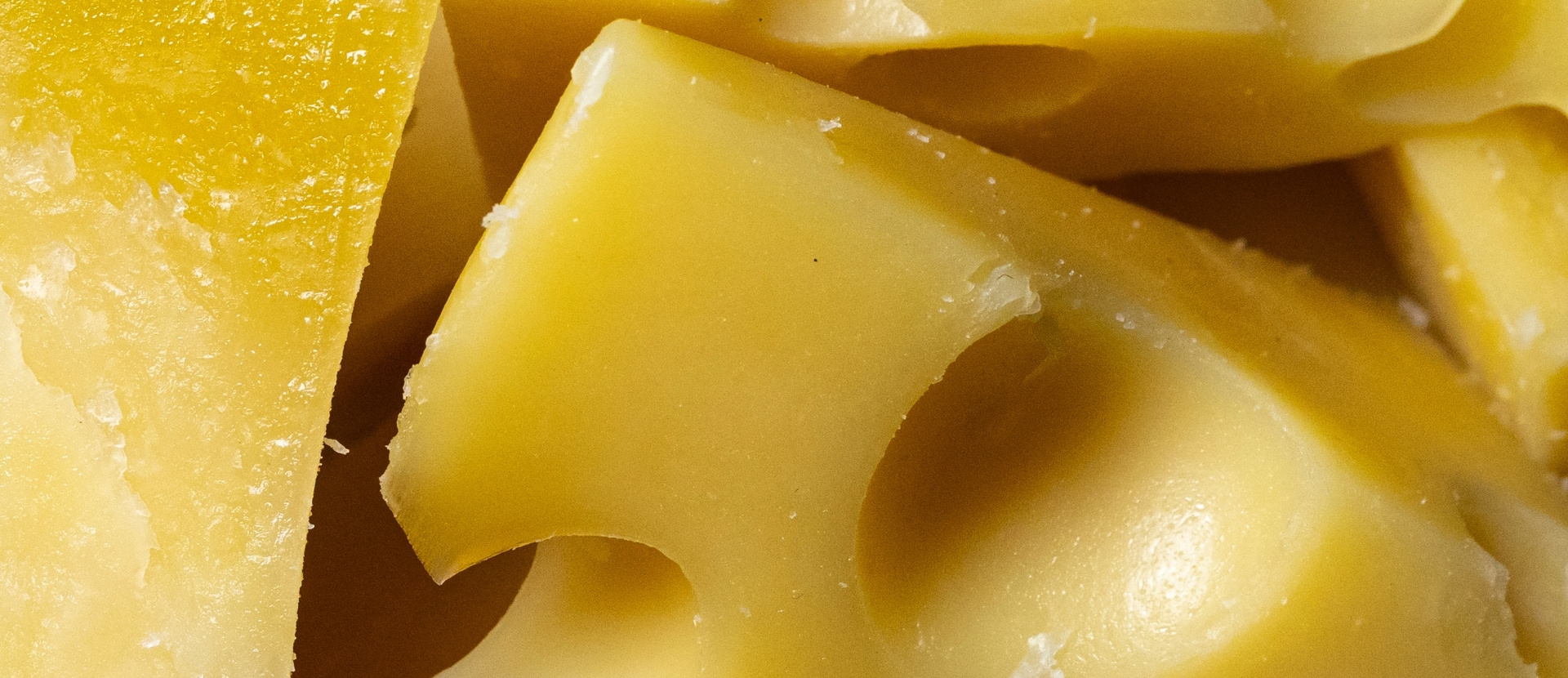
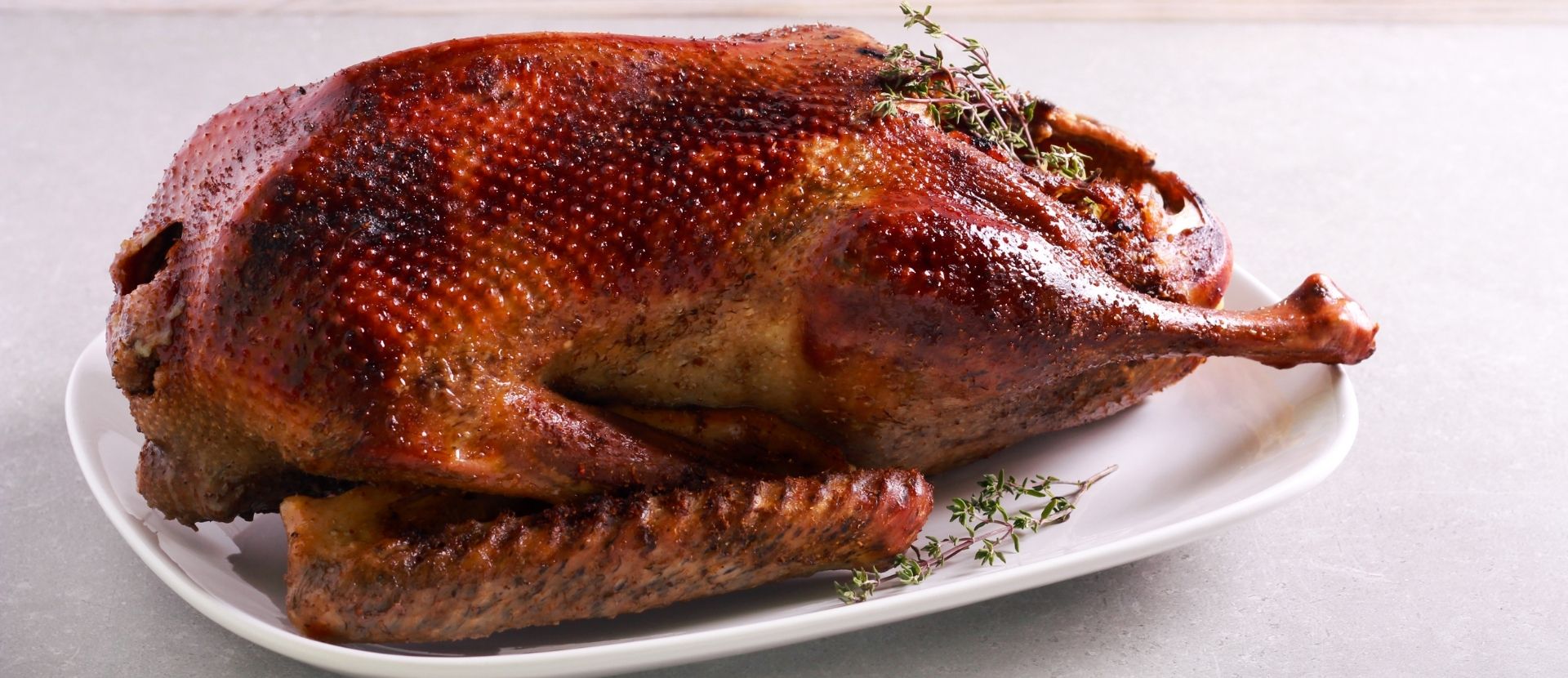
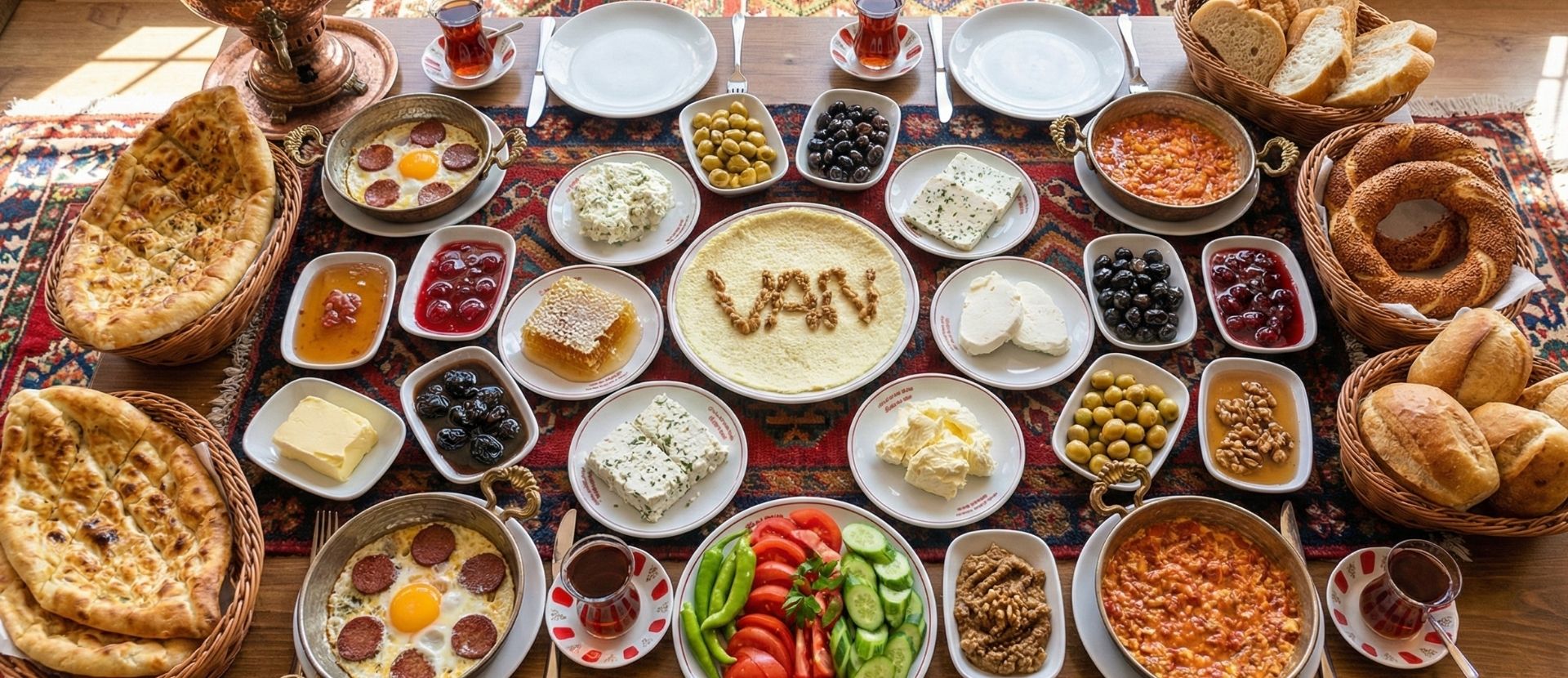
In the harsh, snowy highlands of the East, cooking is a matter of survival and preservation. Long winters dictate a diet of high-calorie, aged foods. This is the capital of Turkey’s cheese culture, home to the legendary Kars Gravyer and Van Otlu Peyniri (Herbed Cheese). It is also the birthplace of the world-famous “Van Breakfast,” a sprawling morning feast designed to fuel farmers against the cold, and rich meats like Goose (Kaz) dried in the winter wind.
Culinary Chronicles
Turkish Cuisine is a tapestry woven from thousands of years of history, migration, and ritual. Here, we go beyond the Turkish Ingredients to explore the heritage recipes, the dining etiquette, and the untold stories that transform a simple meal into a feast for the soul.
FAQ: About Turkish Regional Cuisine
What is the one street food I shouldn't miss in the Marmara (Istanbul) region?
While Simit is the daily staple, the Balık Ekmek (Fish Sandwich) eaten by the Galata Bridge is the definitive experience. It represents the region’s relationship with the Bosphorus: simple, fresh, and chaotic. Iconic tastes of Turkish Regional Cuisines
Why is Aegean cuisine considered the healthiest in Turkiye?
Because it is built on the “Zeytinyağlı” philosophy—vegetables and wild herbs braised slowly in high-quality olive oil. The Aegean diet focuses on what grows above the ground (artichokes, herbs, vines) rather than heavy meats.
How does Mediterranean cuisine differ from the Aegean?
While both use olive oil, the Mediterranean (Antalya/Mersin) is influenced by the nomadic Yörük culture and the hotter climate. Expect more citrus fruits, bananas, goat meat instead of lamb, and a heavy use of Tahini in savory dishes like Piyaz.
Is it true that Black Sea cuisine is entirely based on Anchovies (Hamsi)?
Almost. When in season, Hamsi is used in soups, rice pilafs, breads, and even desserts. However, the region is also famous for corn flour, kale (karalahana), and Muhlama (a fondue-like cheese dish) to fuel life in the steep highlands. Iconic tastes of Turkish Regional Cuisines.
Which city in the Southeast serves the best Baklava and Kebabs?
It is a “Golden Triangle.” Gaziantep is the undisputed capital of Baklava and pistachios. Adana is the home of the spicy, hand-minced kebab. Şanlıurfa is famous for its isot-pepper infused dishes and liver kebabs. Iconic tastes of Turkish Regional Cuisines
What is the signature dish of Central Anatolia and Cappadocia?
The region is the breadbasket of Turkiye, so wheat-based dishes rule. The icons are Mantı (tiny dumplings) from Kayseri and the Testi Kebabı (Pottery Kebab), where meat is slow-cooked in a sealed clay jug and cracked open at your table.
Why is the "Van Breakfast" so famous in Eastern Anatolia?
Due to harsh winters, the East developed a culture of high-calorie preservation. A Van Breakfast is a massive spread featuring legendary items like Van Otlu Peyniri (Herbed Cheese), honeycomb, and clotted cream, designed to keep you full all day. Iconic tastes of Turkish Regional Cuisines.
Is authentic Turkish food extremely spicy?
Generally, no. Turkish cuisine focuses on the natural flavor of the ingredient. The exception is the Southeast (Gaziantep, Adana, Urfa), where hot peppers are a base ingredient. In the West (Aegean/Istanbul), hot pepper is usually served on the side as a condiment.
Is Turkish cuisine suitable for vegetarians and vegans?
Absolutely. Turkey is a paradise for plant-based eating, specifically due to the “Zeytinyağlı” category found in the West. Dishes like Stuffed Vine Leaves (fake dolma), Braised Green Beans, and Artichokes are naturally vegan.
What is the traditional drink to pair with these meals?
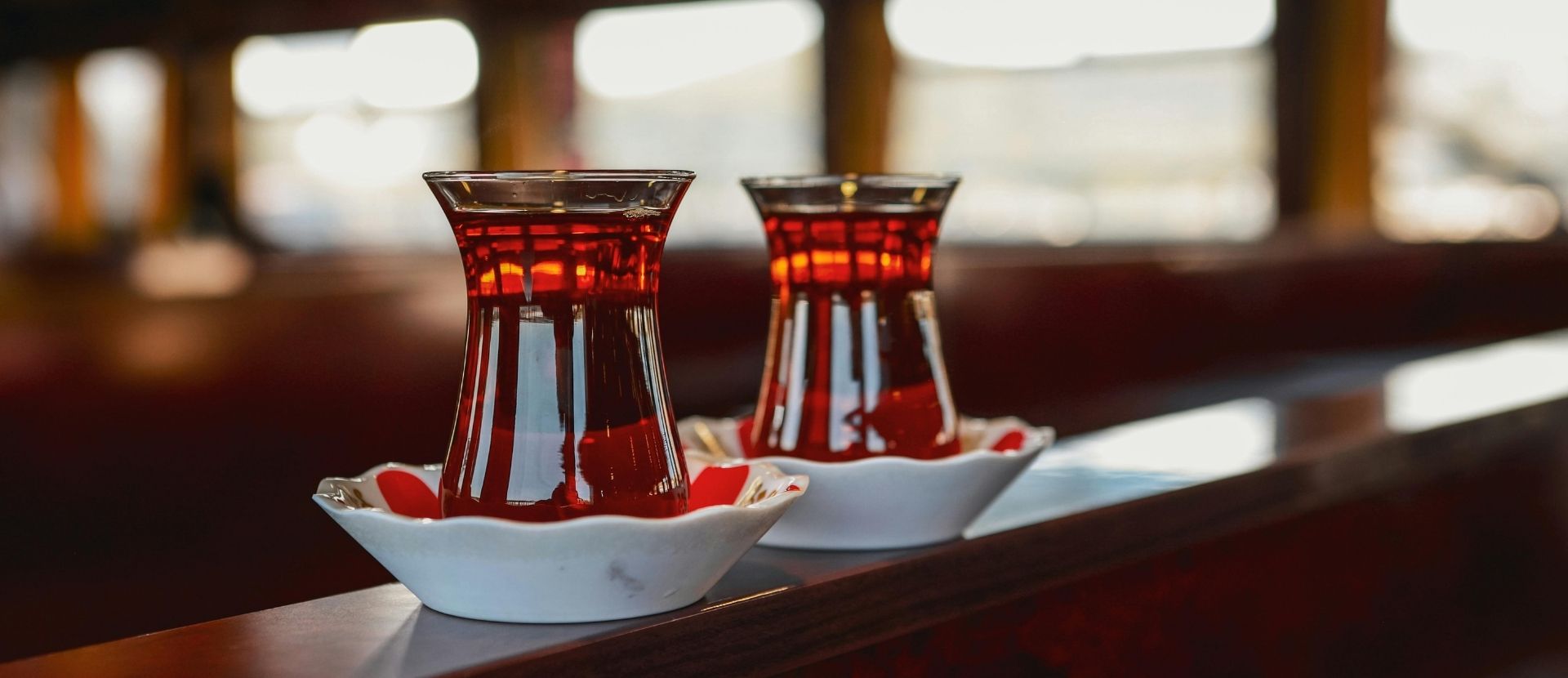
It depends on the meal. Rakı (anise-flavored spirit) is the king of the Meze and Fish table. Ayran (salty yogurt drink) is the perfect balancer for Kebabs and Pide. And Tea (Çay) is the finale for absolutely every meal, everywhere. Iconic tastes of Turkish Regional Cuisines.
