



7-Day Winter Gastronomy Route
While the summer crowds chase the sun on the Mediterranean coast, the true connoisseurs know that Turkish cuisine finds its deepest, most authentic expression in the heart of winter. This itinerary is a study in contrasts, designed to take you from the melancholic, misty allure of Istanbul—where the freezing Bosphorus yields its fattest, most flavorful catch—to the ancient, dry cold of Gaziantep, where spice is not merely a flavor, but a source of internal heat.
Forget the light olive oil dishes of summer; this season belongs to the fire. We invite you to a table that has warmed emperors and nomads alike for centuries. From the steaming boza shops of Vefa that echo with nostalgia to the copper-laden tables of the Southeast where lamb is treated with reverence, this is more than a vacation. It is a restorative pilgrimage designed to warm the bones and ignite the senses. Leave your calorie counter at home; this is a route for the hungry soul.
7-Day Winter Gastronomy Route
Logistics of the Feast

The Warm Up – Arrival in Istanbul
Orhan Pamuk calls the mood of Istanbul in winter “hüzün”—a shared, poetic melancholy. But do not mistake this for sadness; it is an atmospheric filter that makes the city’s golden lights brighter and its flavors more intense. Your journey begins not with a museum queue, but with ritualistic street warmth. The goal for Day 1 is simple: acclimatize your palate to the season and sync your internal clock with the city’s chaotic, yet comforting heartbeat.
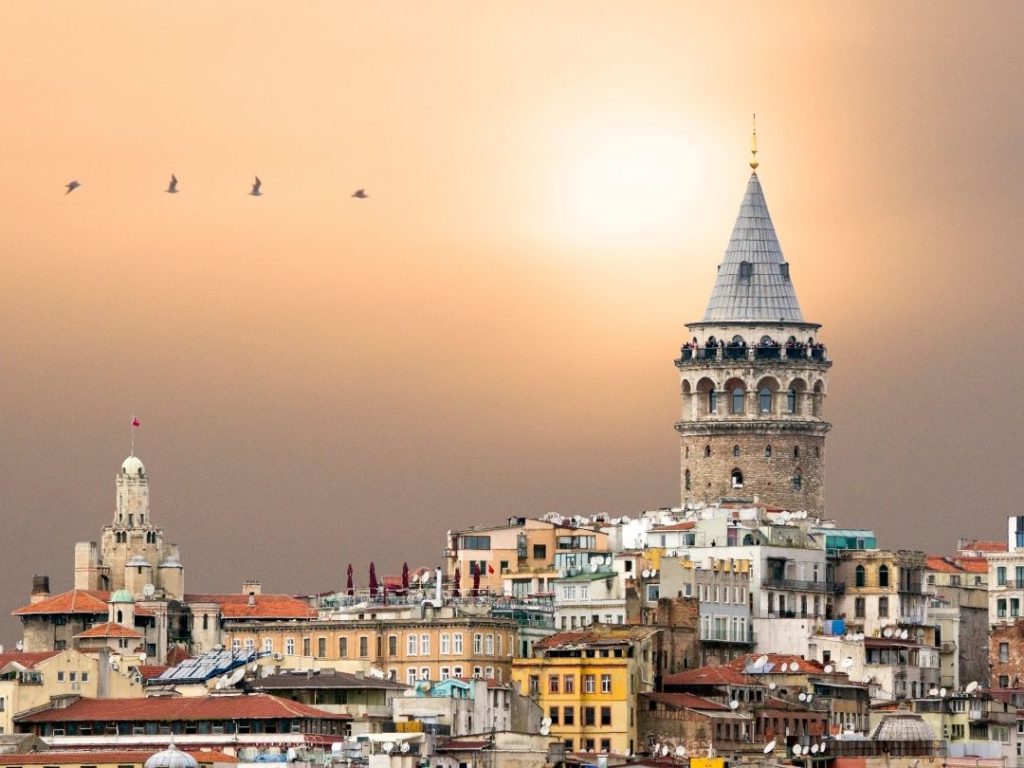
marking the atmospheric starting point of your culinary pilgrimage.
The Warm Up
ARRIVAL IN ISTANBUL & STREET RITUALS- Vefa Bozacısı: Start your winter ritual in the historic Fatih district. Drink Boza, a thick, fermented millet drink topped with roasted chickpeas and cinnamon. It is not just a drink; it is the taste of the Ottoman winter, unchanged since 1876.
- Grilled Chestnuts: Follow the scent of charcoal on Istiklal Street. Grab a paper bag of "Kestane Kebap" from a street cart. It serves a dual purpose: a sweet snack and a hand-warmer against the Bosphorus chill.
- Dinner: Head to a traditional "Meyhane" in Beyoğlu or Asmalımescit. In winter, skip the cold melon; focus on Ara Sıcak (hot appetizers) like Grilled Octopus, Paçanga Pastry, and Pan-fried Liver (Ciğer).
The Imperial Palate & The Winter Catch
Istanbul’s cuisine wasn’t just cooked; it was engineered within the walls of Topkapı Palace. Today, you move from the Matbah-ı Amire, where recipes were codified for an empire, to the shores of the Bosphorus. The winter rule is strict: “The colder the water, the tastier the fish.” Prepare for a day that begins with the Sultan’s favorite lamb dish and ends with the seasonal ritual of grilled Lüfer (Bluefish), served against the misty silhouette of two continents.
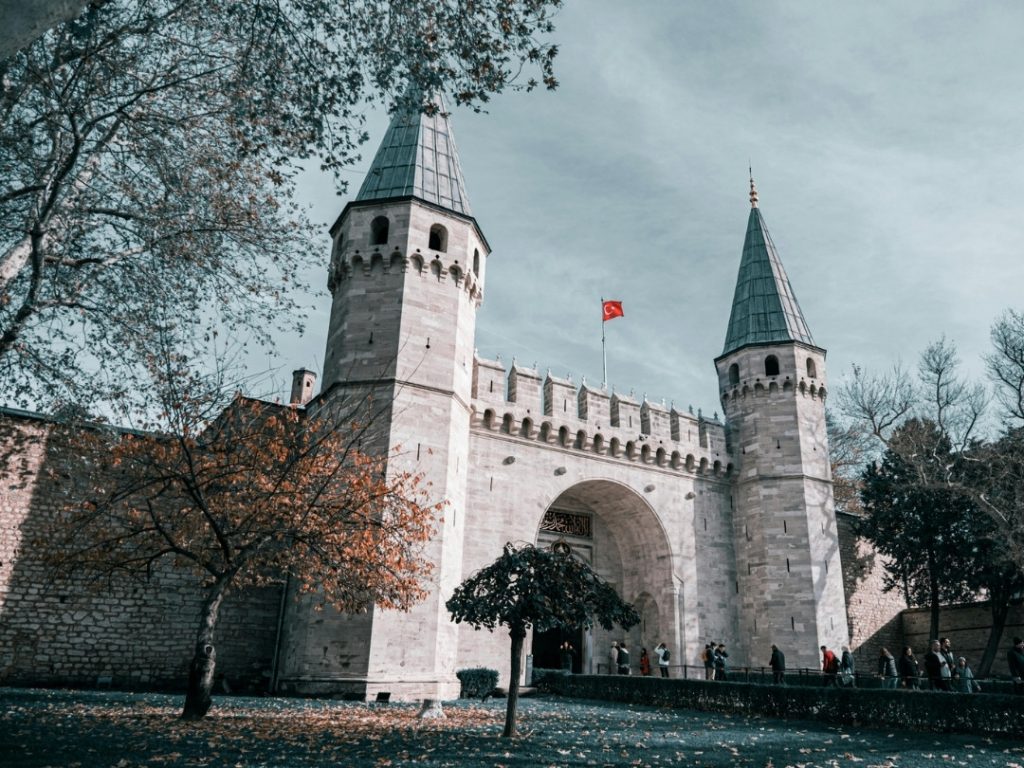
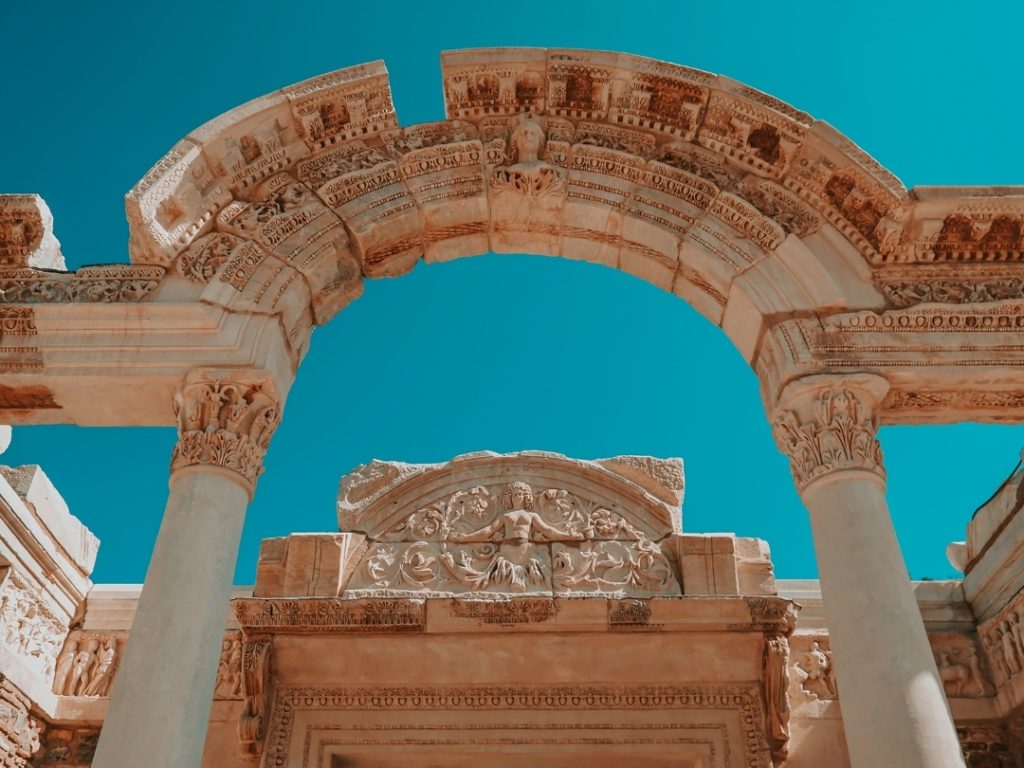
where the Ottoman taste was codified for an empire.
The Imperial Palate
TOPKAPI PALACE & THE PRINCE OF THE BOSPHORUS- Matbah-ı Amire (Palace Kitchens): Visit Topkapı Palace, not just for the jewels, but for the gargantuan kitchens that fed 4,000 people daily. This is where Turkish cuisine was codified.
- Lunch at Pandeli: Located just above the Spice Bazaar entrance. Order Hünkarbeğendi (Sultan’s Delight)—slow-cooked lamb on a bed of smoky eggplant puree. A dish created for Empress Eugénie in the 19th century.
- The Bosphorus Dinner: In winter, the Bosphorus is cold, which means the fish are fatty and flavorful. Head to the coastal villages (Arnavutköy or Bebek). The order is non-negotiable: Lüfer (Bluefish) or Kalkan (Turbot), simply grilled.
Crossing to Asia – The Spice Rout
Napoleon might have claimed the capital, but the soul of Istanbul belongs to the ferry crossing. Today, you leave the historical peninsula to cross into Asia (Kadıköy). This is not just a change of continent; it is a shift in culinary gears. From the imperial kitchens, we move to the “Memory of the Land.” The goal is to explore the Spice Market, survive the wind on the ferry deck, and dine at the table of the chef who saves lost Anatolian recipes from extinction.
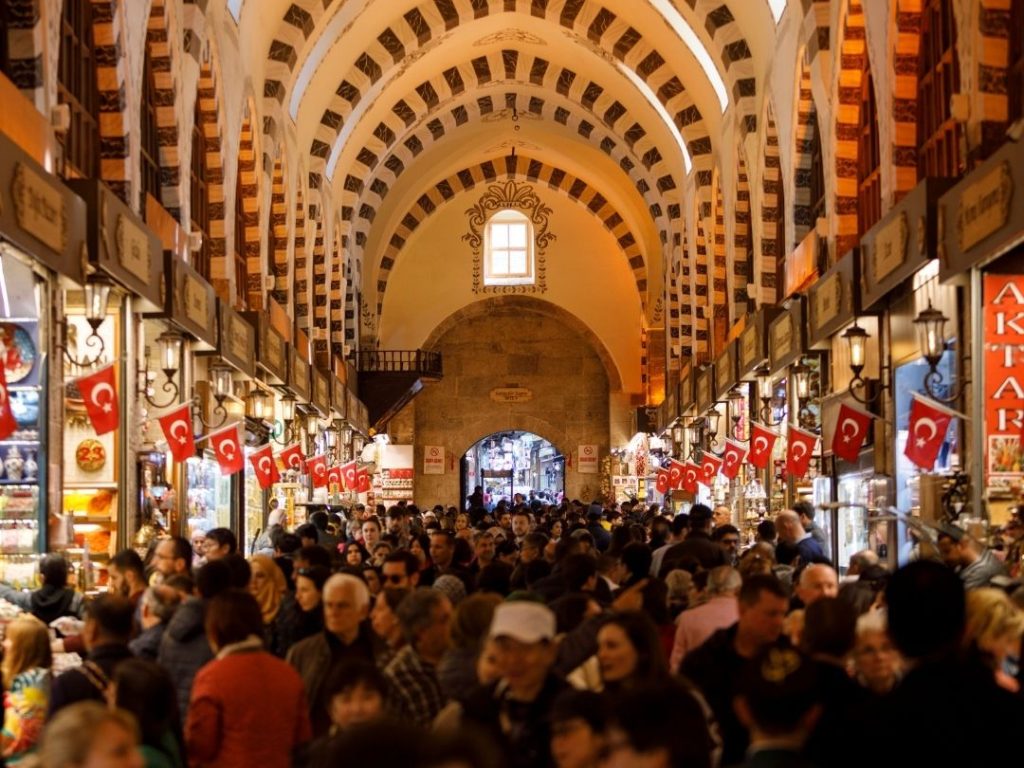
the air is thick with the scent of cinnamon and the promise of the East.
The Asian Crossing
SPICE BAZAAR & THE ANTHROPOLOGIST CHEF- The Spice Bazaar (Mısır Çarşısı): Before crossing continents, stock up on "Fire." Visit the historic spice stalls for Urfa Biber (Purple Pepper) and Sumac. In winter, the air here smells of roasting coffee and cinnamon. Do not leave without tasting the medicinal Mesir Paste.
- The Ferry Ritual: Take the public ferry from Eminönü to Kadıköy. This 20-minute journey is the most beautiful commute in the world. The ritual is strict: Order a glass of Çay, toss a piece of your Simit to the seagulls, and watch the silhouette of Topkapı Palace fade into the mist.
- Lunch at Çiya Sofrası: This is not just a restaurant; it is a library of forgotten tastes. Chef Musa Dağdeviren is a culinary anthropologist. Order the Ezo Gelin soup to warm up, followed by seasonal fruit-meat stews (like Quince Lamb) that you cannot find anywhere else.
Enrich Your Exploration
Four Seasons:
Bosphorus, Perfected


Garenta: Discover More of Istanbul
the landmarks; experience the
real city. Garenta offers the freedom to discover Istanbul's hidden treasures at your own pace.

Into the Fire – Arrival in Gaziantep
You have tasted the Empire; now you will taste the Origin. Today, we fly Southeast to Gaziantep, the city where cuisine is not just a daily necessity but a religion. We leave the subtle olive oils of the Aegean behind for the heat of sun-dried peppers, the richness of lamb fat, and the crunch of “Green Gold” (Pistachios). Warning: This is not a diet; it is a marathon. Your first challenge begins not at dinner, but at breakfast, with a bowl of liquid fire.
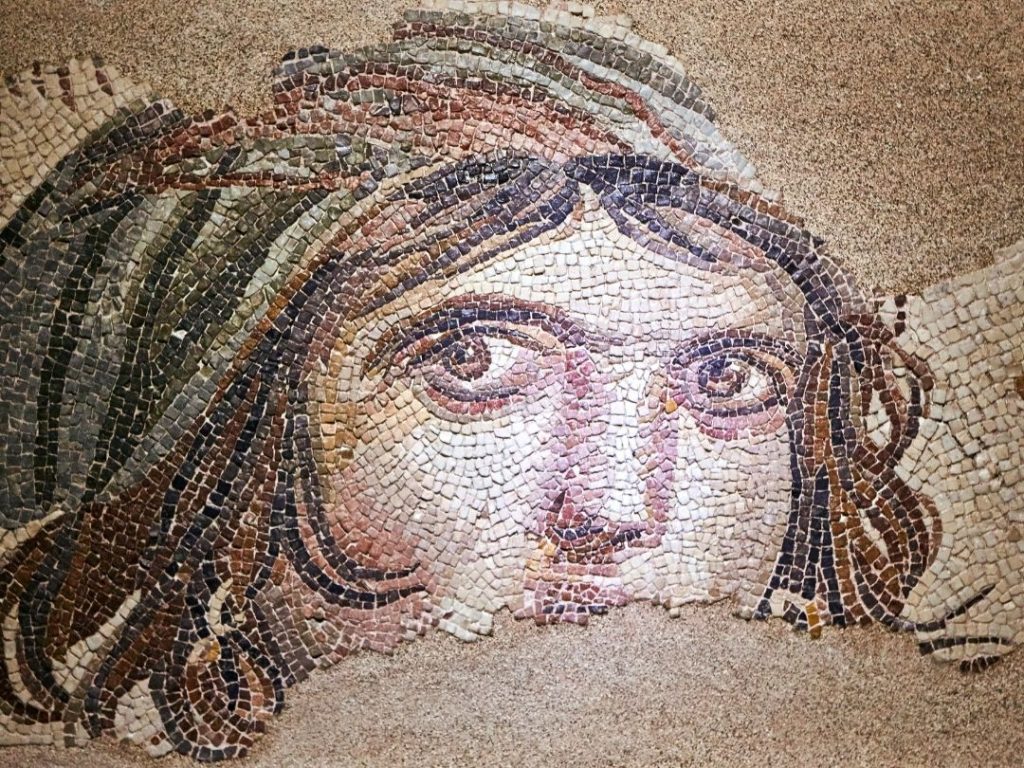
reminding you that this cuisine is built on layers of ancient history.
The Capital of Taste
UNESCO CITY & THE BREAKFAST OF CHAMPIONS- Morning Flight: Take an early flight from Istanbul to Gaziantep (approx. 90 mins). Watch the landscape change from green hills to the arid, golden plains of Mesopotamia.
- The Beyran Ritual: In Gaziantep, soup is for breakfast. Head straight to Metanet Lokantası. Order Beyran—a spicy, garlicky lamb soup with rice, cooked over a high fire in copper bowls. It wakes up your metabolism and prepares you for the feast ahead.
- Zeugma Mosaic Museum: Walk off the breakfast by visiting the world’s largest mosaic museum. Look into the eyes of the "Gypsy Girl" (Çingene Kızı). It is a reminder that this soil has hosted Romans, Hittites, and Ottomans, all adding layers to the kitchen you are tasting.
The Masters of Fire – Kebab & Baklava
Yesterday was the introduction. Today is the masterclass. Gaziantep is the spiritual home of the kebab, but forget what you know about fast food. Here, mincing meat is an art form performed with a giant curved knife called “Zırh.” Today is dedicated to the holy trinity of Southeastern cuisine: Smoke, Spice, and Syrup. You will learn why true masters never use a machine grinder and why Baklava is treated with the reverence of a diamond.
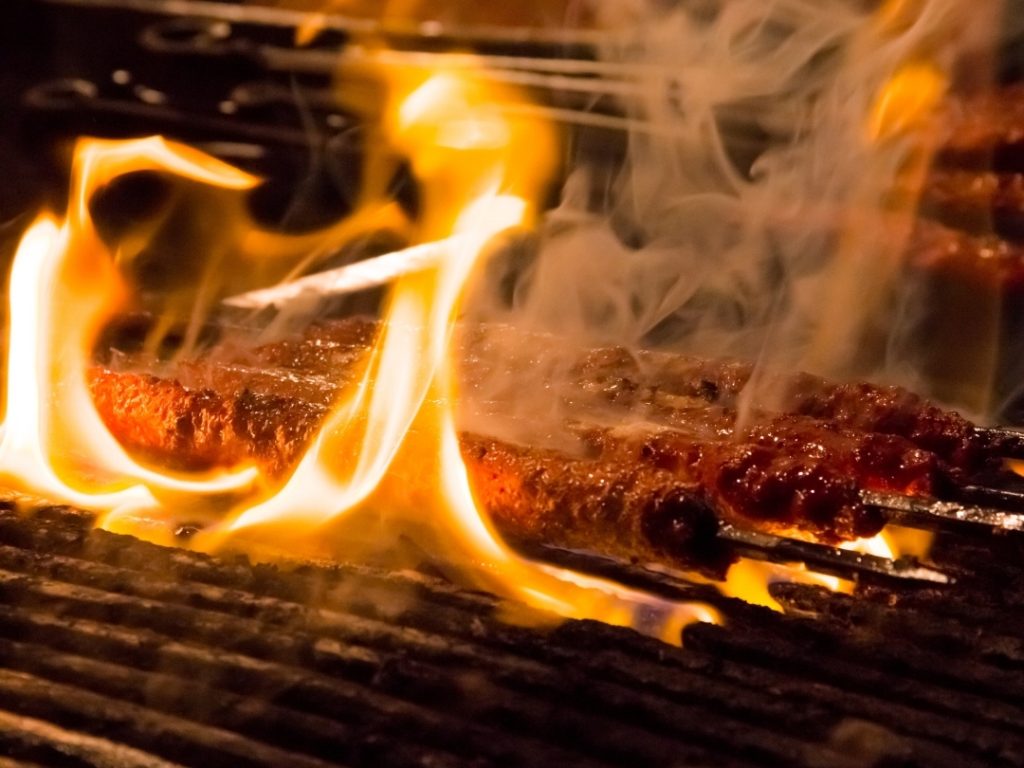
sealing in the smoky soul of Mesopotamia.
The Art of the Zırh
MEAT CRAFTSMANSHIP & GREEN GOLD- Lunch at Halil Usta: This is a pilgrimage site for meat lovers. Do not ask for a menu. Just sit down and wait for the Küşleme (Lamb Tenderloin). It is the tenderest cut of the lamb, grilled to perfection with nothing but salt. It proves that great meat needs no sauce.
- Coffee Break at Tahmis: To digest the protein, head to the 400-year-old Tahmis Kahvesi. Skip the caffeine; order Menengiç Coffee. Made from wild pistachio berries and milk, it is creamy, nutty, and soothing. It is the taste of the Mesopotamian soil.
- The Baklava Finale: Visit an established house like Koçak or İmam Çağdaş. Order the "Havuç Dilimi" (Carrot Slice). The rule is strict: Turn it upside down so the syrup hits your palate first. Close your eyes. This is the taste of Green Gold (Antep Pistachios).
The Euphrates & The Pantry
You cannot pack the Bosphorus mist or the chaos of the streets, but you can pack the “Fire.” Today is about securing your supply of Red Gold (dried peppers and spices) from the historic Silk Road bazaars. Afterward, we take a short drive to Halfeti, a surreal sunken city on the Euphrates River. Here, amidst the submerged minarets and black roses, you will enjoy a feast that connects the water to the desert.
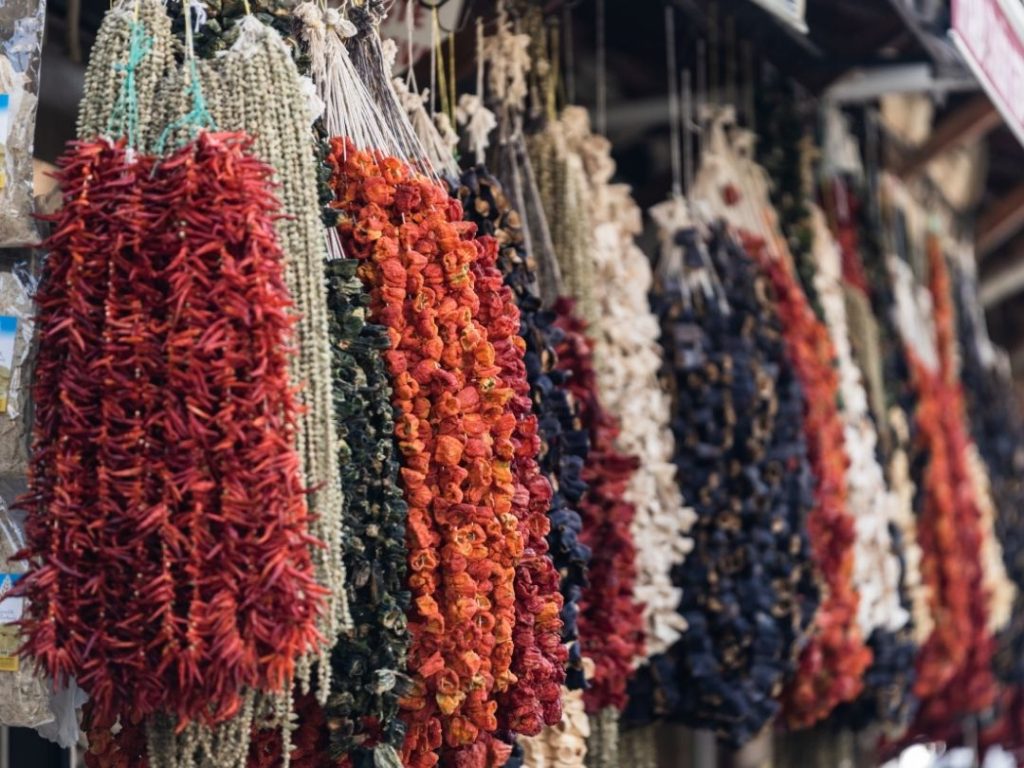
preserving the fierce summer heat for your winter kitchen.
The Euphrates Connection
ALMACI PAZARI & THE SUNKEN CITY- The Pantry Raid (Almacı Pazarı): Visit the historic Elmacı Pazarı. This is where locals buy their year-round supplies. Your shopping list is mandatory: Pul Biber (Silk-cut chili flakes), Kuru Patlıcan (Sun-dried eggplants hanging on strings), and authentic Nar Ekşisi (Pomegranate Molasses).
- Halfeti (The Sunken City): Drive to the shores of the Euphrates (Fırat) River. Take a boat tour over Old Halfeti, a town partially submerged under the dam waters. Seeing a stone minaret rising from the green water is a haunting reminder of the region's layered history.
- Dinner by the River: In this region, the Kebab changes again. Order Haşhaş Kebabı (Poppy Seed Kebab) or the local Euphrates fish, Şabut. Dining by the biblical river that fed the cradle of civilization is the perfect closure to your Mesopotamian adventure.
The Farewell – A Sweet Departure
You arrived with a hunger for exploration; you leave with a standard for taste that has been permanently altered. The “Fire & Snow” route ends with a final act of indulgence that defies all dietary logic: Dessert for breakfast. Before your flight, you will partake in the Katmer ritual and take a final walk through the sound of hammering copper. You are not just taking home souvenirs; you are taking home the memory of a culture that expresses love through food.
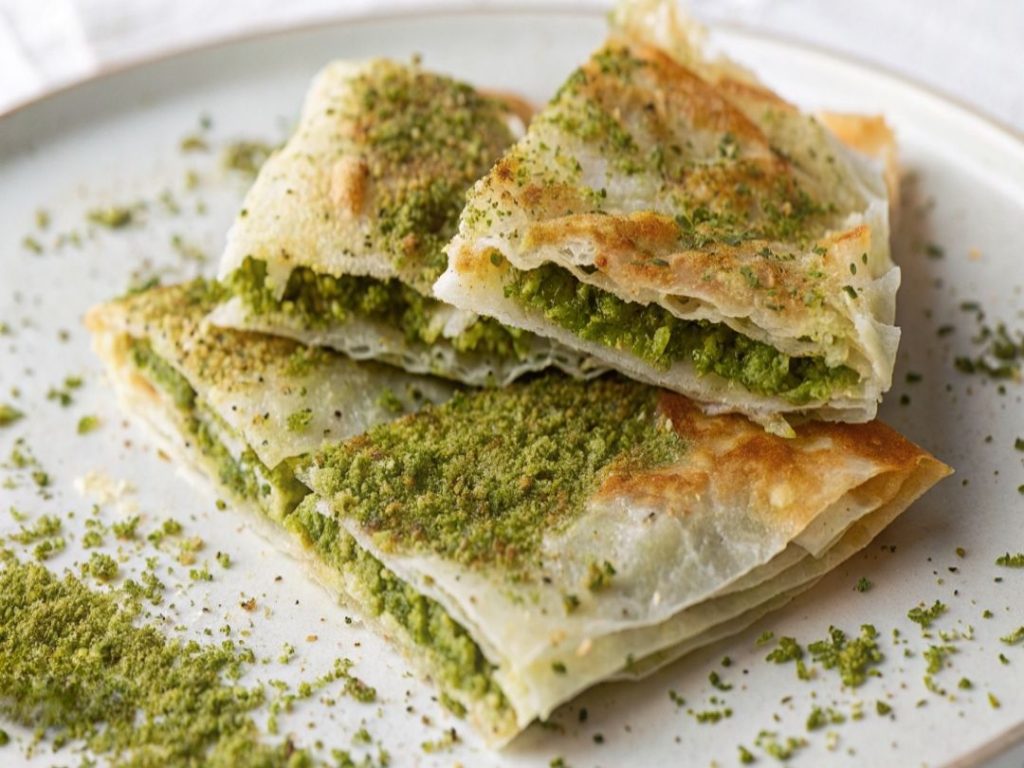
proving that in Gaziantep, dessert is the most important meal of the day.
The Sweetest Goodbye
KATMER RITUAL & THE COPPER MEMORY- Breakfast at Zekeriya Usta: Forget eggs. In Gaziantep, the day begins with sugar and pistachios. Order Katmer—a crisp, paper-thin phyllo dough envelope filled with clots of heavy cream (kaymak) and pistachios, baked in a stone oven. It is the perfect balance of "Fire" (hot oven) and "Snow" (white cream).
- The Coppersmith's Hammer: Take a final stroll through the Bakırcılar Çarşısı. The rhythmic sound of hammers shaping copper is the heartbeat of the city. Buy a traditional Sahan (copper pan). It is the only way to cook perfect Turkish eggs back home, conducting heat evenly and quickly.
- Departure: Transfer to Gaziantep Oğuzeli Airport. As you fly west, you leave behind the ancient Mesopotamian plains, but the taste of the spices will linger on your palate for days.
Journey with Confidence
Acıbadem Hospitals Group: Global Excellence in Healthcare
While you immerse yourself in the rich history of Istanbul, your well-being is protected by a future-focused healthcare leader. Acıbadem provides world-class medical services, from comprehensive health screenings to advanced treatments, all delivered with a commitment to your safety and comfort.
Travel with the assurance that you and your loved ones are in the most capable hands.
Planning Your 7 Days Winter Route
Don't pay expensive roaming fees. Get an E-SIM instantly and stay online.
Get Airalo E-Sim →Medical coverage is essential. Covers flight delays and lost luggage too.
Get a QuoteFAQ: About The 7 Days Winter Gastronomy Route
Why is the Winter Gastronomy Route considered the best season for foodies?
While summer offers the beaches, winter offers the true depth of the kitchen. In January and February, the fish in the Bosphorus (especially Bluefish and Turbot) are at their fattiest and most flavorful due to the cold water. Simultaneously, the heavy, spicy dishes of Gaziantep—like Beyran soup and Katmer—are designed to warm the body. This route is curated to showcase flavors that are simply too heavy or unavailable during the hot summer months.
Do I need a connecting flight for the second leg of the itinerary?
Yes. The Winter Gastronomy Route covers two distinct geographical zones. After completing the Istanbul leg, you will need to take a domestic flight to Gaziantep (GZT). The flight takes approximately 90 minutes. We recommend an early morning flight on Day 4 to maximize your time for the famous Gaziantep breakfast ritual.
Is this route suitable for vegetarians or vegans?
Istanbul is incredibly vegetarian-friendly with its vast array of olive oil dishes (Zeytinyağlılar) and mezes. However, the second half of the Winter Gastronomy Route in Gaziantep is heavily meat-centric. While you can find excellent salads and soups (like lentil), the regional culture revolves around lamb and meat kebabs. A strict vegetarian might find the options in the Southeast limited compared to Istanbul.
What should I pack for the "Fire & Snow" experience?
The name of the route is your guide. Istanbul is humid, windy, and often rainy in winter (“Snow” element), so bring a waterproof coat, comfortable walking boots, and layers. Gaziantep (“Fire” element) has a drier, sharper cold. You will be walking on cobblestones and eating outdoors, so smart-casual, warm attire is essential. Leave the formal wear; bring an appetite.
Is 7 days enough to experience the full Winter Gastronomy Route?
Seven days is the minimum required to do justice to these two culinary capitals. This itinerary is designed as a “Best Of” compilation, focusing on high-impact experiences. It is a fast-paced journey. If you wish to explore the surrounding regions of Mesopotamia (like Şanlıurfa or Mardin), we recommend extending your stay by an additional 3 days.
Do I need a guide to navigate the local food spots?
This itinerary is designed to be self-guided for the adventurous traveler. In Istanbul, English is widely spoken. In Gaziantep, however, you are entering the authentic heartland where English is less common. While you can navigate with this guide, having a translation app ready or hiring a local fixer for the Winter Gastronomy Route‘s eastern leg can help you unlock deeper conversations with the chefs and artisans.
