



The Dining Guide
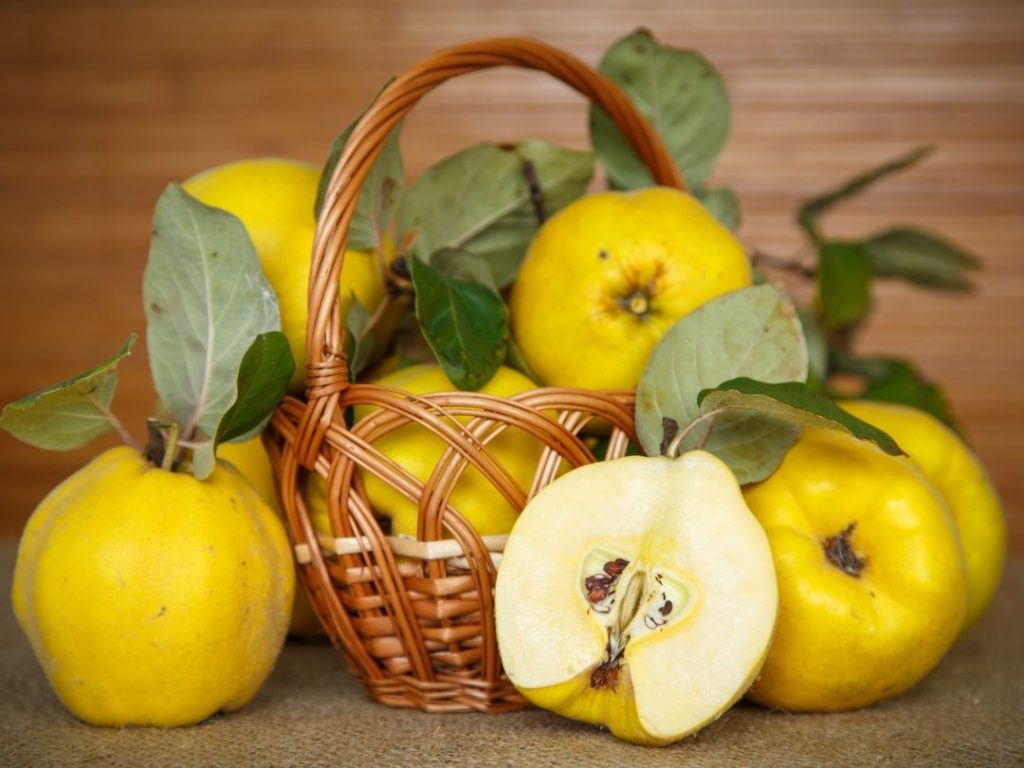
While the rest of the world has largely forgotten this fragrant, knobby fruit, the Turkish quince remains the undisputed queen of winter tables across Anatolia. Turkey is the world’s largest producer of quince, making it not just an ingredient, but a cultural symbol of the cooler months. Unlike the apple or pear, the Turkish quince demands patience; it is hard, astringent, and pale when raw. But with heat and time, it undergoes a magical transformation, becoming the embodiment of slow cooking. This guide explores how this humble fruit transforms into a ruby-red delicacy that has graced the tables of Sultans for centuries.
The Anatolian Quince

"Sometimes you don’t need a map; you need a mood. These collections group Turkiye's vast culinary landscape into digestible, theme-based lists. From the back-alley legends to the Michelin stars."
Hidden Food Stops
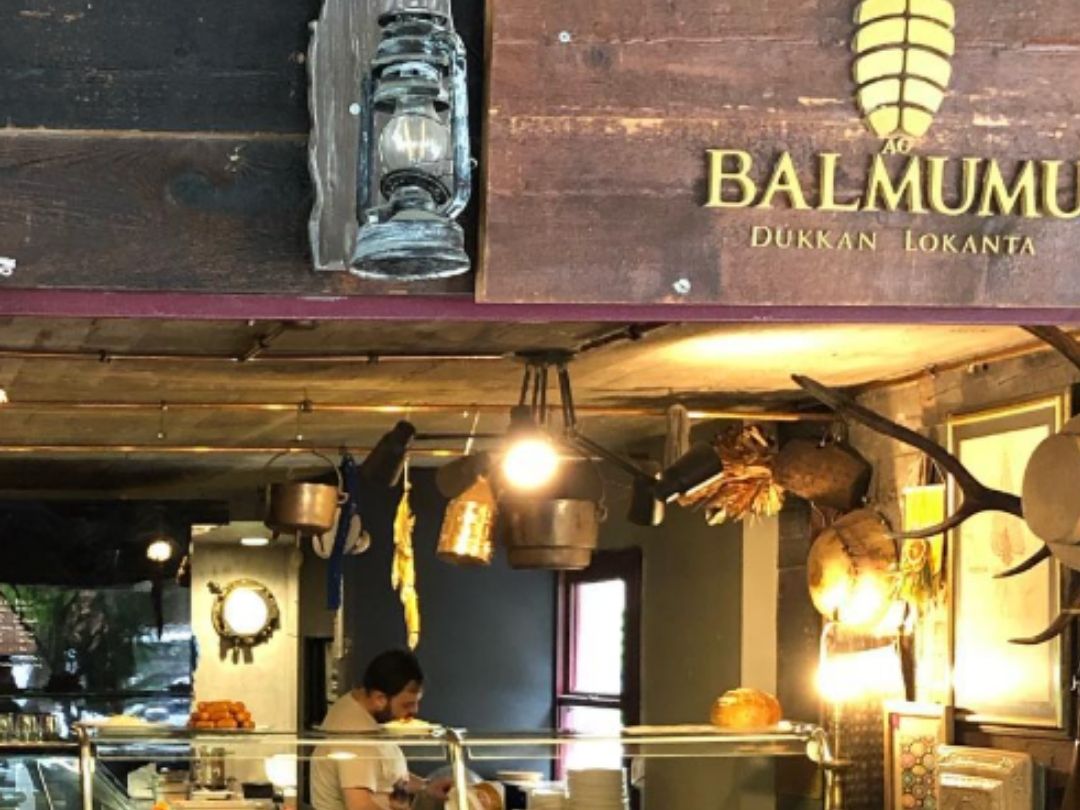
Discover the secret doors, the back-alley legends, and the “insider-only” spots that define the true character of a city. From a tiled sanctuary in the Spice Bazaar to a humble milk shop in Kumkapı.
The Michelin Edit
A guide to the Turkish restaurants that have earned global recognition. Where innovation meets tradition, and where the “New Anatolian Kitchen” comes to life.
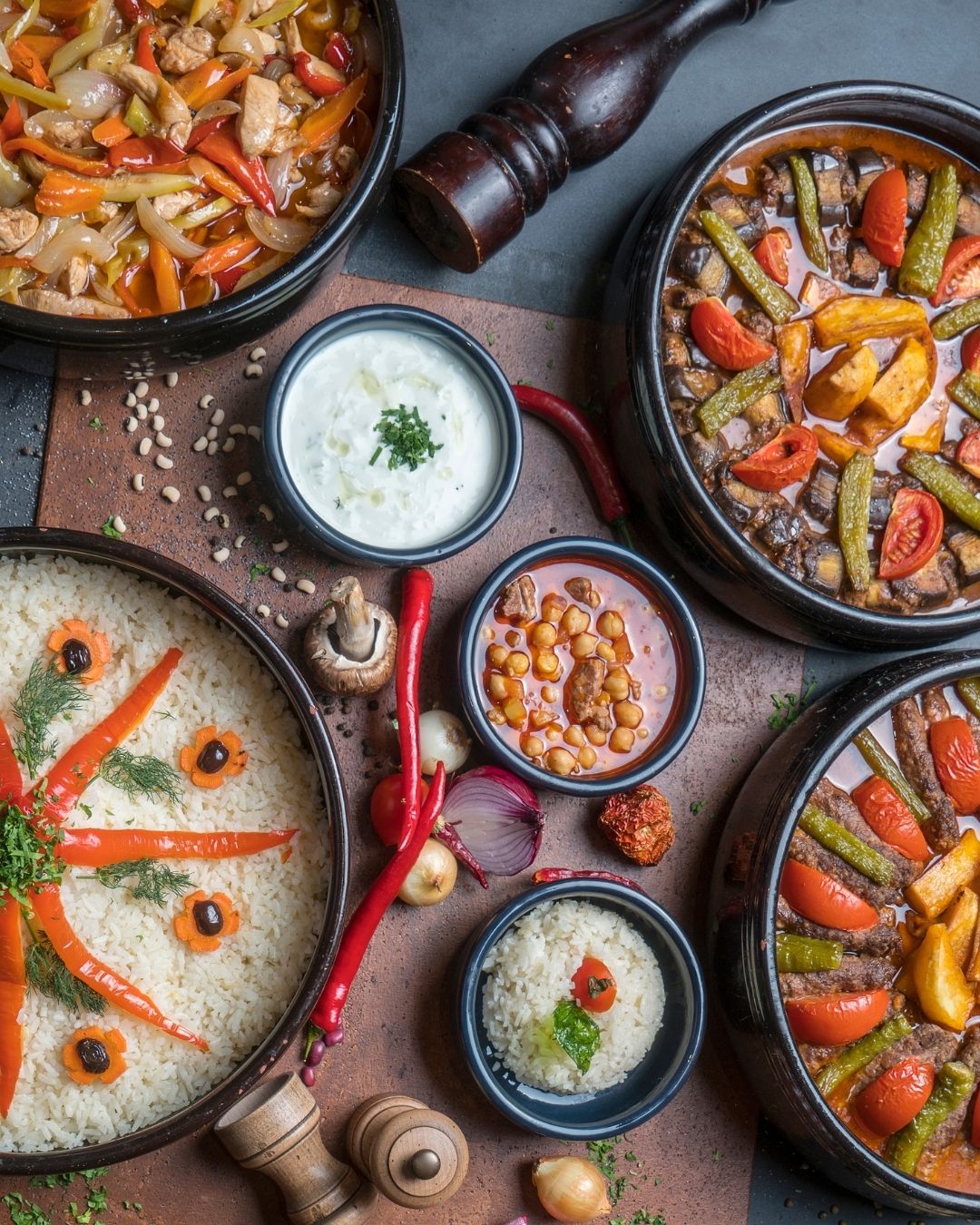 The Fine Dining Guide
Turkiye's New Culinary Era
From the avant-garde "New Anatolian" kitchens to timeless classics. We curate the establishments that have earned global recognition, not just for their stars, but for their stories.
Discover More →The Viewpoint Series
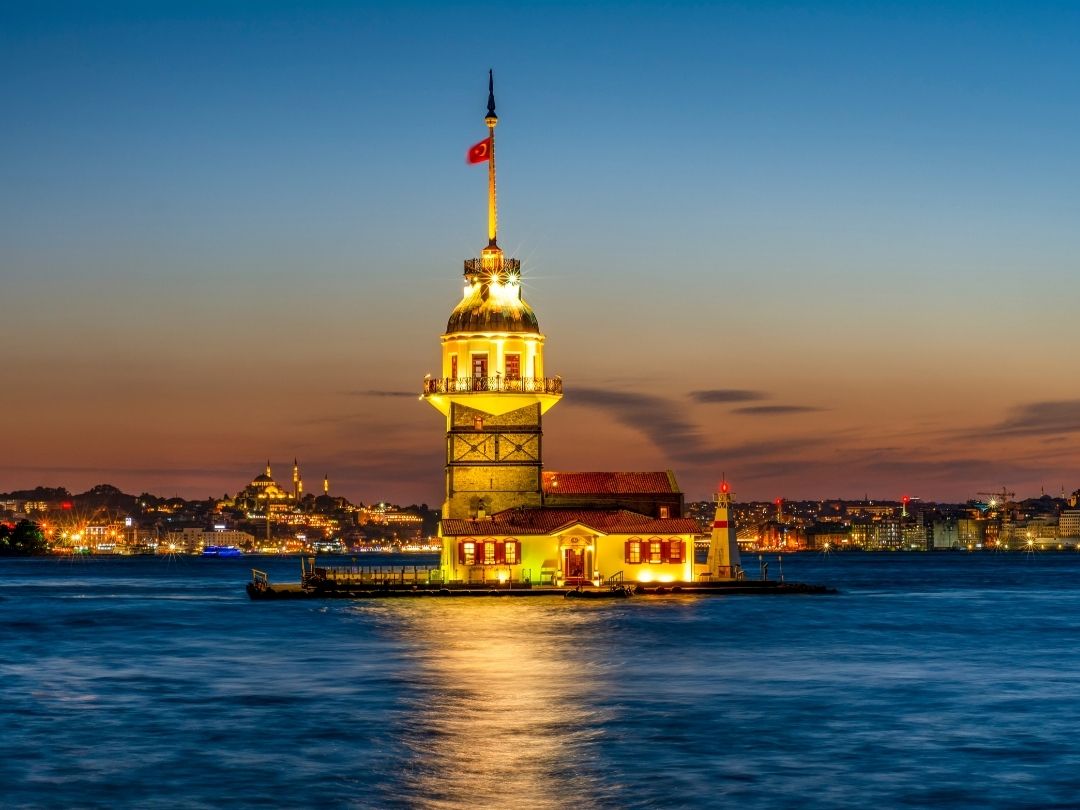
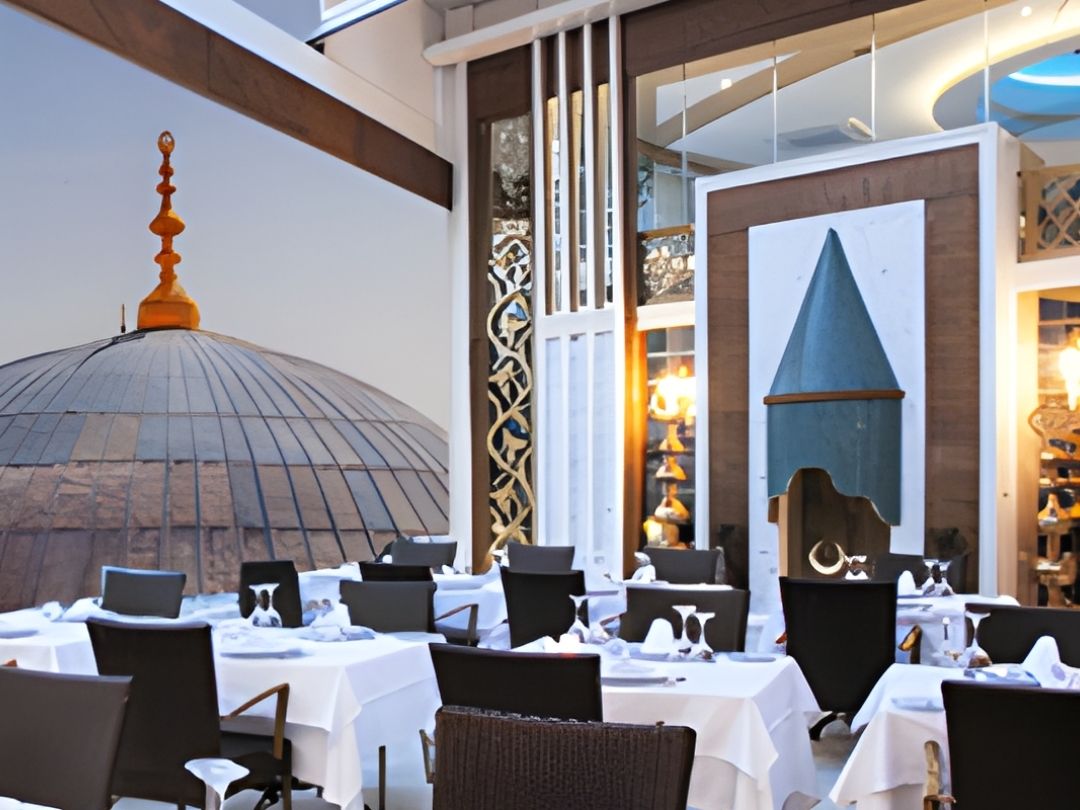
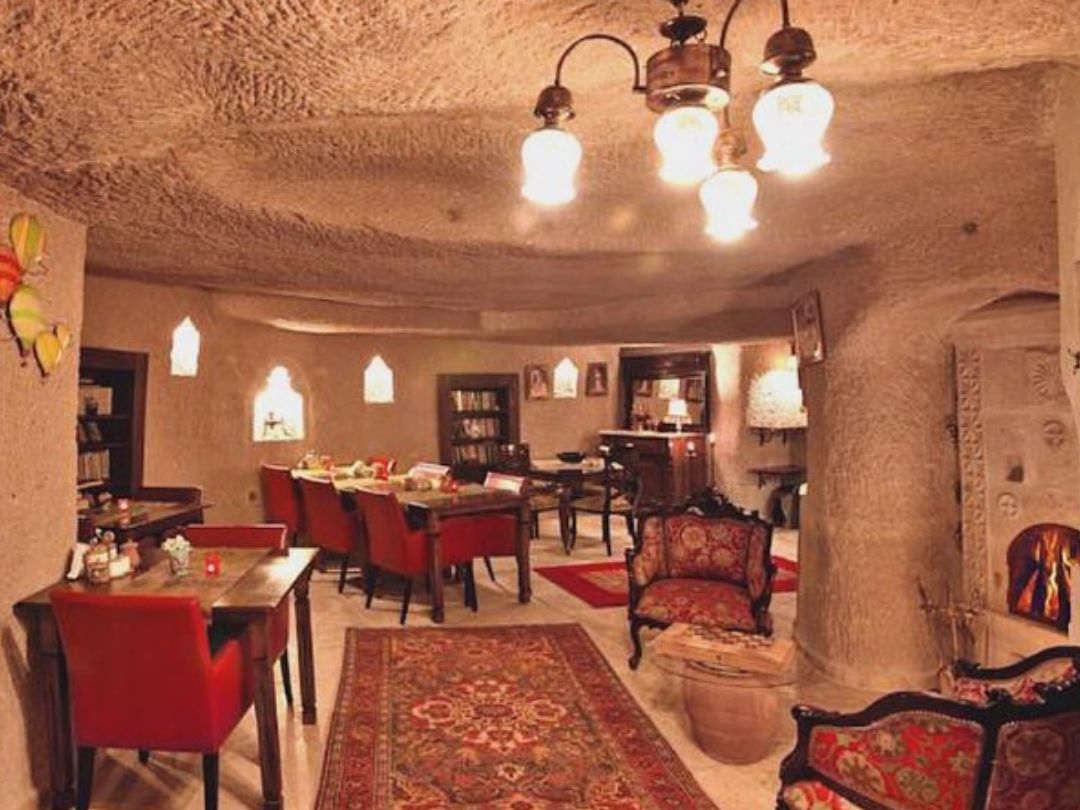
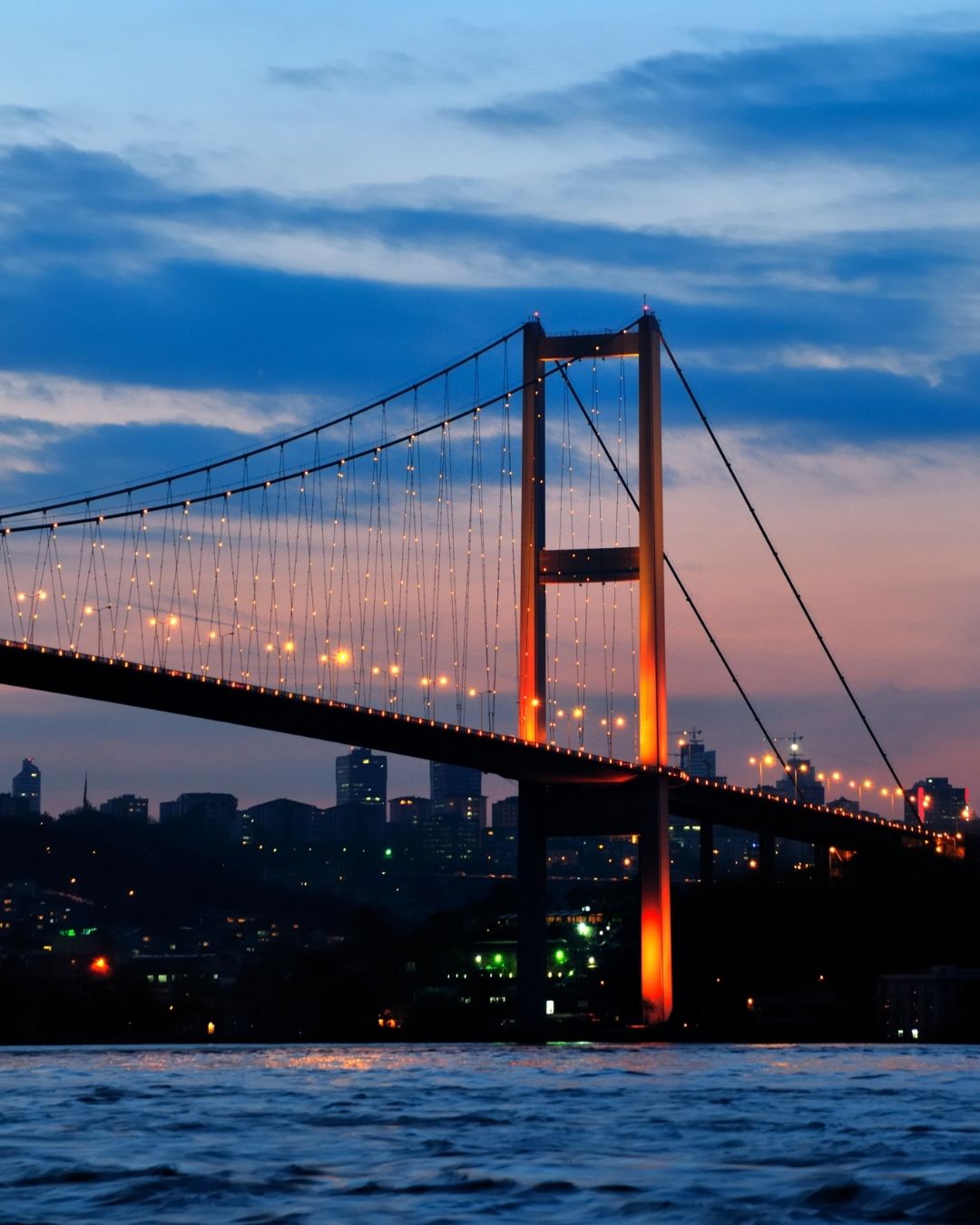
Dining is also about the setting. Discover terraces that offer the best views of the Bosphorus, the Golden Horn, or the fairy chimneys of Cappadocia.

Enrich Your Exploration
Four Seasons:
Bosphorus, Perfected


Garenta: Discover More of Istanbul
the landmarks; experience the
real city. Garenta offers the freedom to discover Istanbul's hidden treasures at your own pace.

"Understanding how to eat is as important as what to eat. Turkish dining culture is categorized by the type of establishment, each with its own unwritten rules."
The Imperial Melting Pot
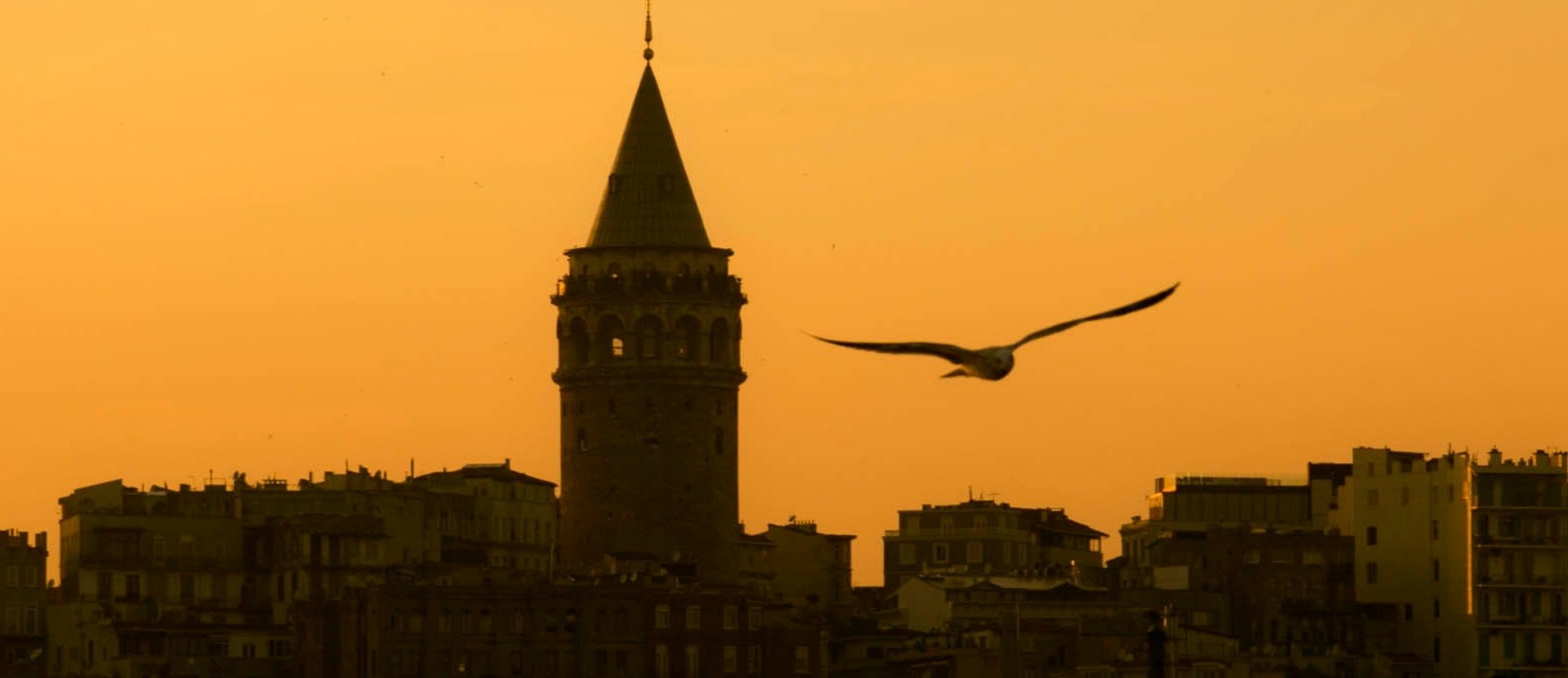
The capital of empires offers everything from Ottoman Palace Cuisine to sophisticated modern fusion. It is where East meets West on the plate.
 Marmara Region
Istanbul
The capital of empires offers everything from revived Ottoman Palace recipes to sophisticated modern fusion. It is where East meets West on the plate.
Discover More →The Temple of Fire
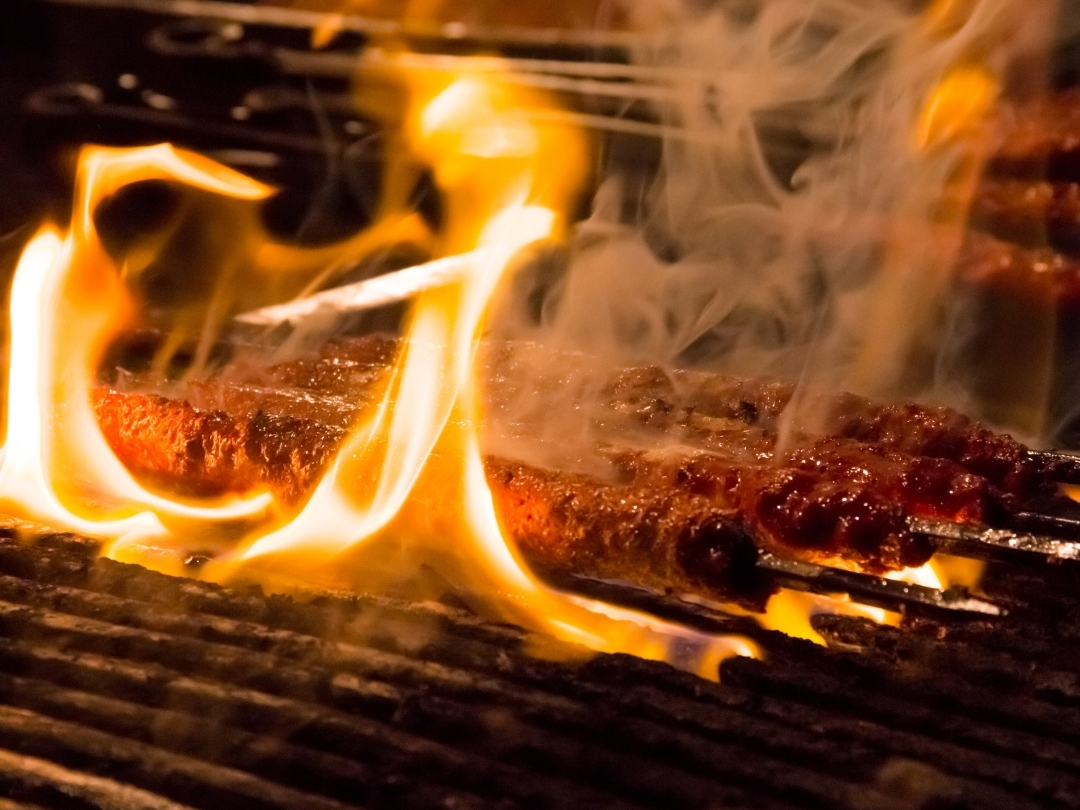
Home to the world’s finest Kebabs and baklava. This is a pilgrimage for carnivores, defined by oak charcoal, lamb, and pistachios.
 Southeastern Anatolia
Gaziantep & Urfa
Home to the world’s finest Kebabs and baklava. This is a pilgrimage for carnivores, defined by oak charcoal, lamb, and pistachios.
Discover More →The Olive Oil Route
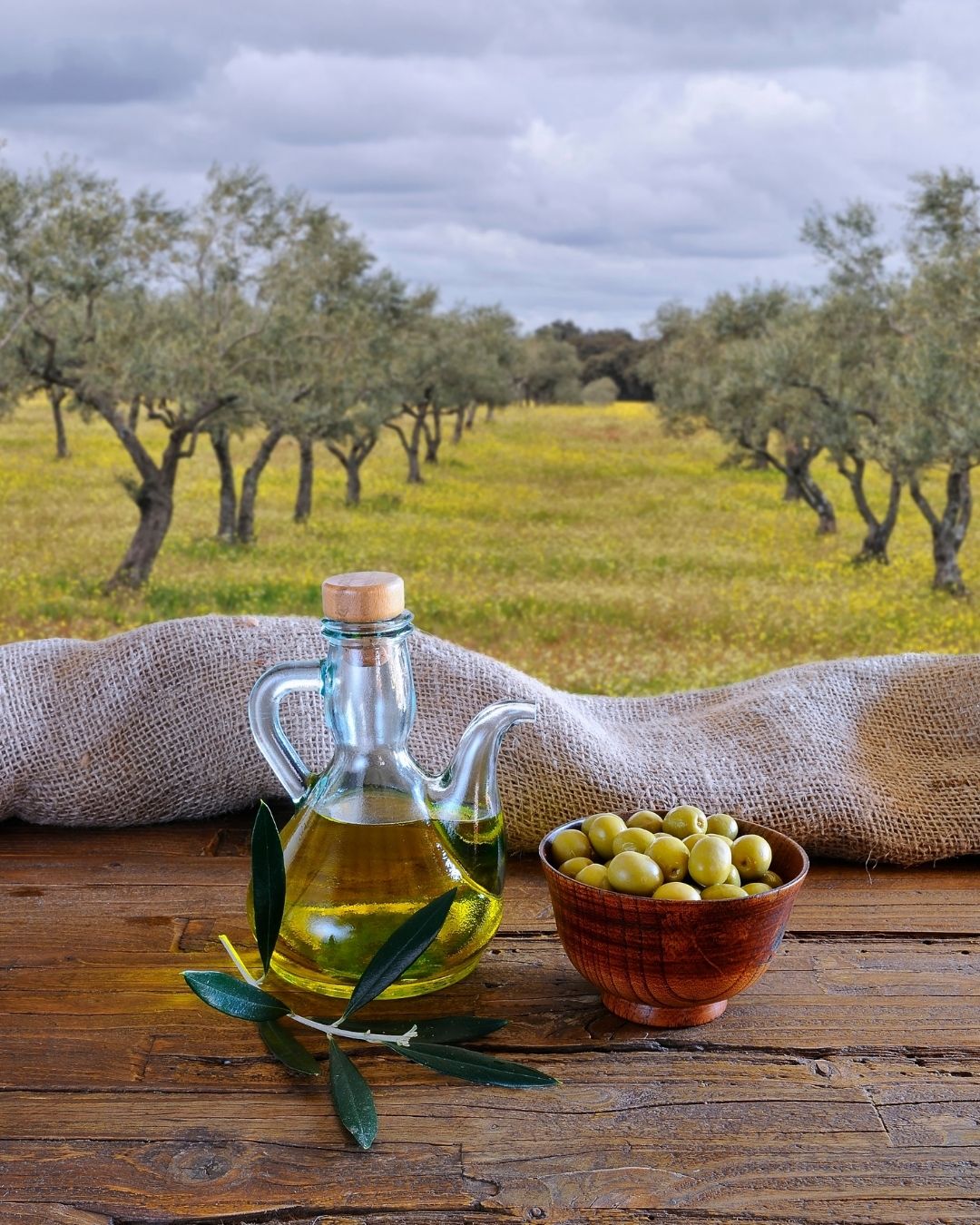
Where the food is green, fresh, and cold-pressed. Focuses on wild herbs, fresh seafood, and the slow-dining culture of the “Meyhane”.
 Aegean & Mediterranean
The Coast
Where the food is green, fresh, and cold-pressed. Focuses on wild herbs, fresh seafood, and the slow-dining culture of the "Meyhane".
Discover More →"Understanding how to eat is as important as what to eat. Turkish dining culture is categorized by the type of establishment, each with its own unwritten rules."
The Tradesmen's Restaurant
The backbone of Turkish lunch culture. Fast, affordable, and incredibly delicious stews and pilafs served cafeteria-style. The ultimate comfort food.
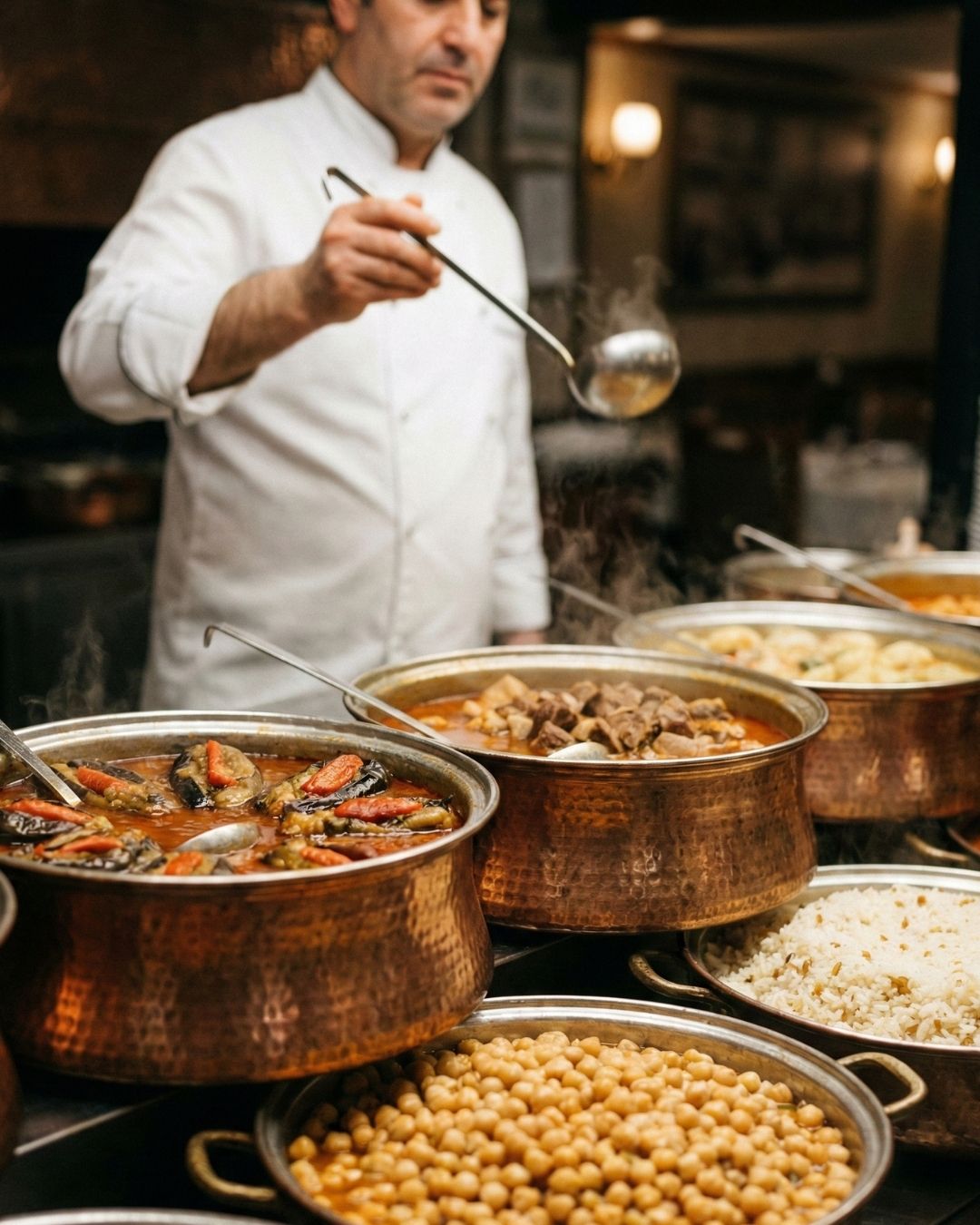
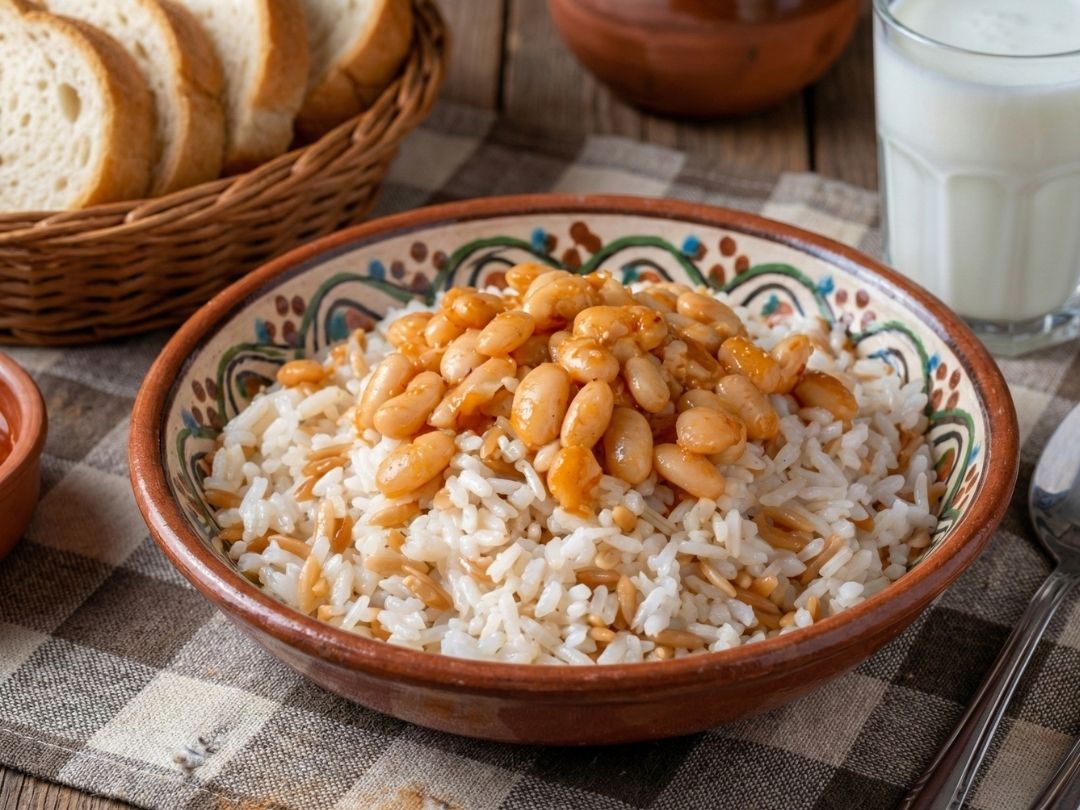
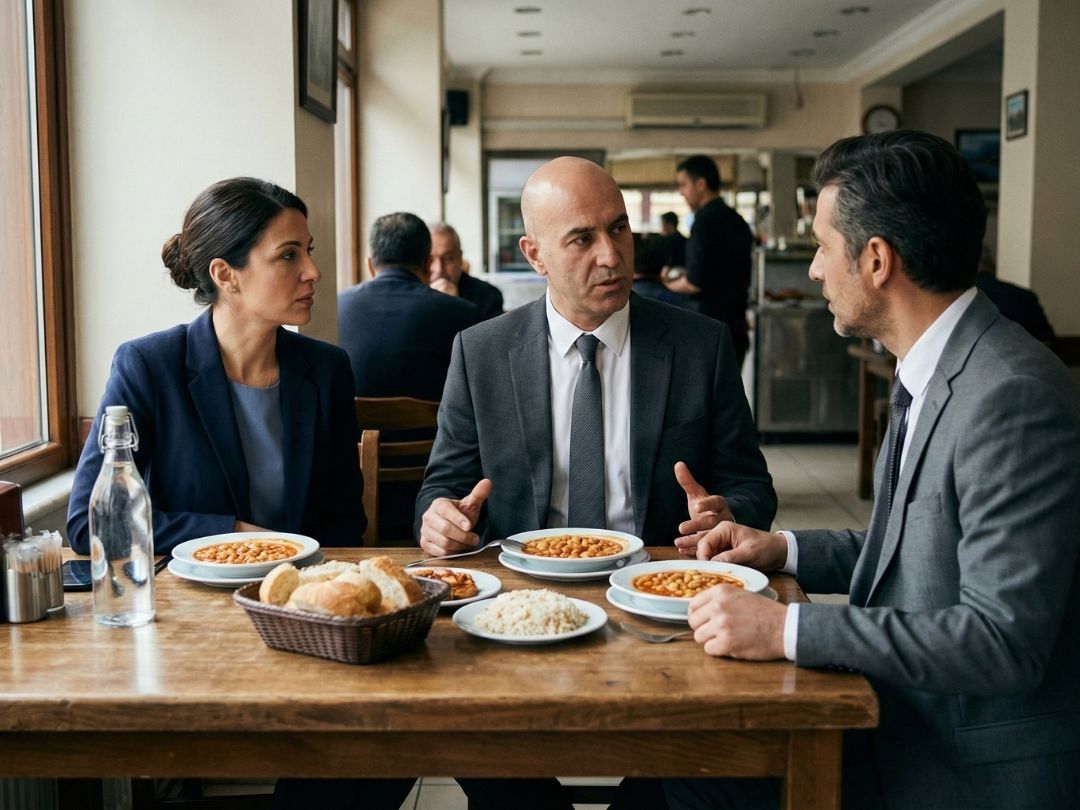
"Esnaf" means artisan or tradesman. These spots cook fresh daily based on what's available at the market. There is no printed menu because when a pot is finished, it's finished for the day. The best dishes (like *Kuzu Haşlama*) usually run out by 1:00 PM.
Curator's Tip: Don't try to read the menu on the wall; it's often outdated. Walk straight to the steam table (tezgah) and point at what looks good. Can't decide? You can ask for "Az" (Little) portions of two different dishes (e.g., "Az Kuru, Az Pilav") to create your own tasting menu.
The Grill House
Interactive dining where you sit around a large copper hood and watch the master grill your meat. A social, smoky, and communal experience.
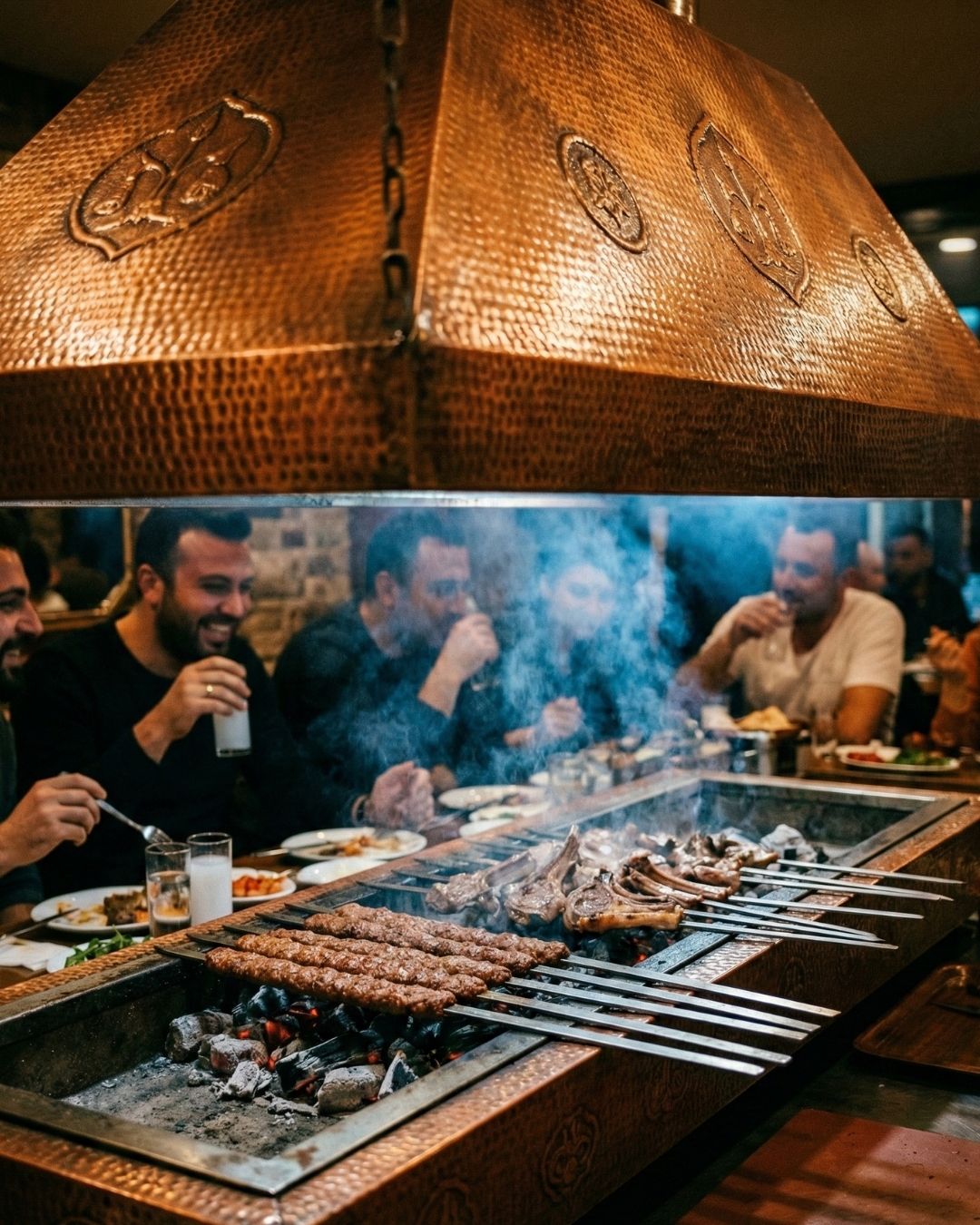
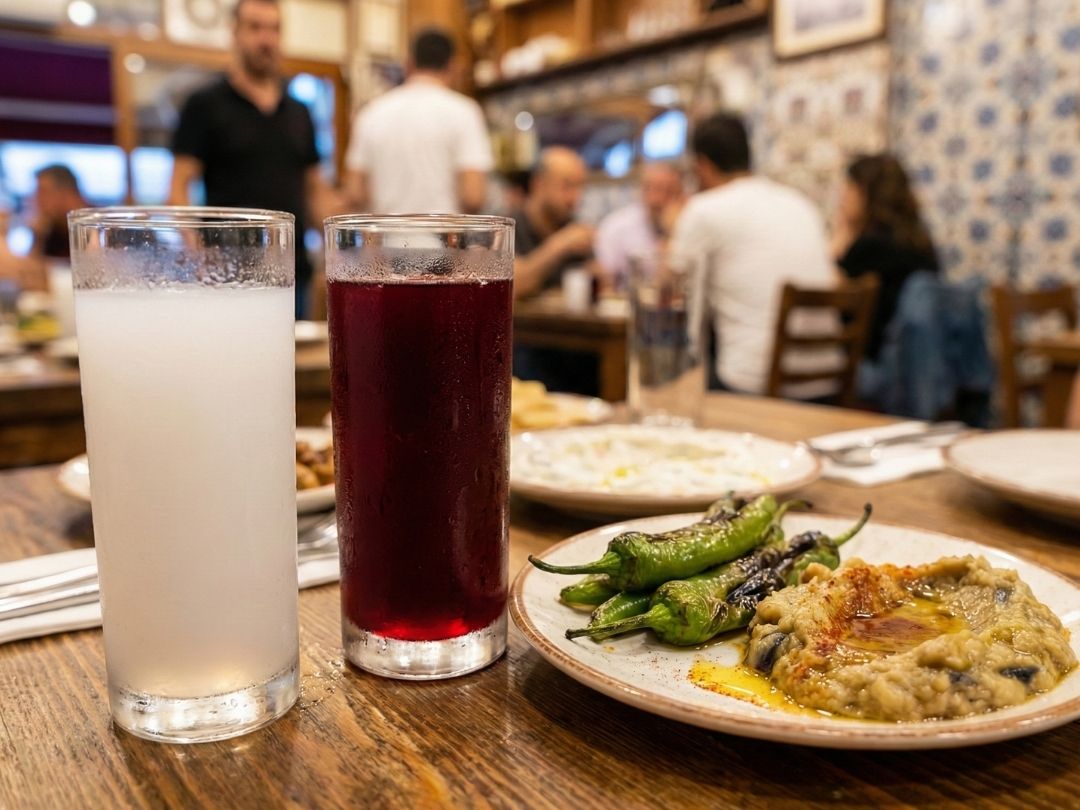

In an Ocakbaşı, where you sit defines your status. The seat directly opposite the "Usta" (Grill Master) is the VIP spot. It’s an interactive privilege; the Usta passes the best cuts straight from the embers to your plate, often without you even asking.
Curator's Tip: Never order all your meats at once. The fat in lamb congeals quickly. Order "One by One" (Tane Tane). Eat a skewer while it's sizzling hot, sip your Rakı, and only then order the next round. Also, dress casually; you will leave smelling like charcoal smoke.
The Tavern
A place for conversation, “Rakı“, and small plates (Meze). It’s not about getting full quickly; it’s about spending hours at the table with friends.
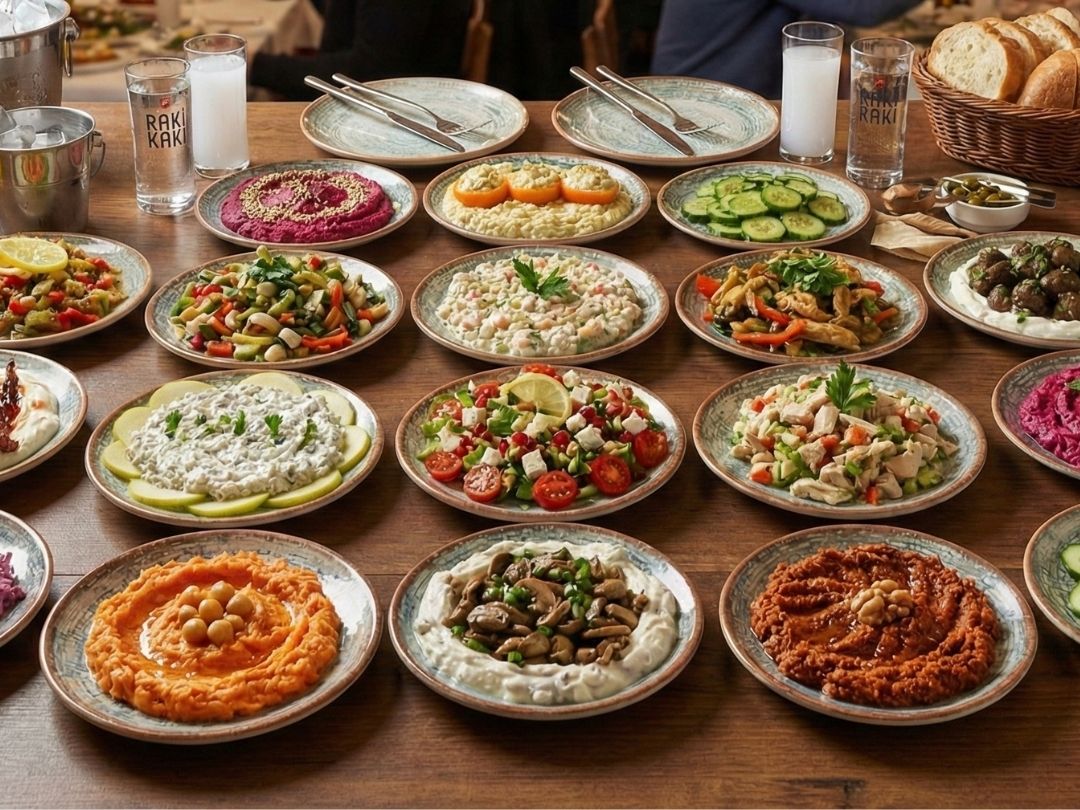
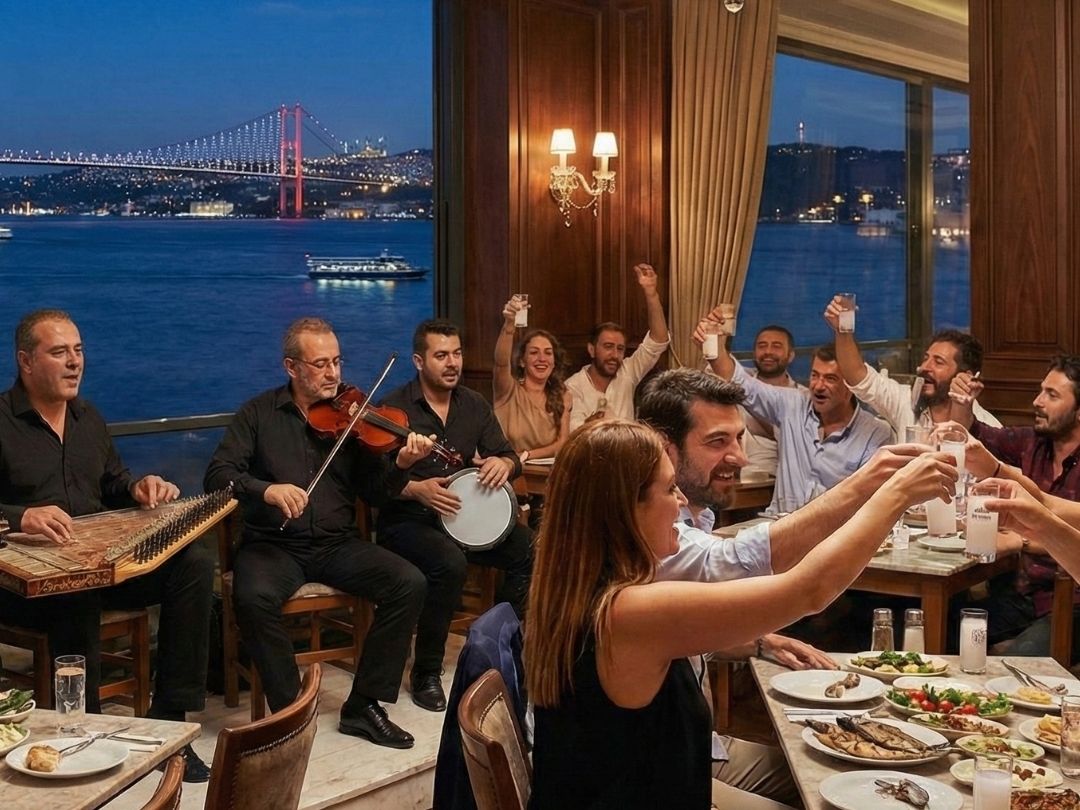
In Turkish, a traditional Meyhane table is called a "Çilingir Sofrası" (The Locksmith's Table). Why? Because the combination of Rakı and small plates is said to act as a key, unlocking the tongue and the heart, revealing secrets and true feelings that remain locked during the day.
Curator's Tip: When toasting with Rakı ("Şerefe"), never clink the top of your glass against another; it implies superiority. Instead, aim for the bottom rim of your friend's glass. It’s a subtle gesture of respect and equality. Also, never drink alone; wait for everyone to raise their glass.
Journey with Confidence
Acıbadem Hospitals Group: Global Excellence in Healthcare
While you immerse yourself in the rich history of Istanbul, your well-being is protected by a future-focused healthcare leader. Acıbadem provides world-class medical services, from comprehensive health screenings to advanced treatments, all delivered with a commitment to your safety and comfort.
Travel with the assurance that you and your loved ones are in the most capable hands.

The Unwritten Rules of the Table
In Turkiye, dining is a social contract with its own rhythm and rituals. Master these three essential pillars—booking, tipping, and hospitality—to dine not just as a tourist, but as a respected guest.
The Booking
Dinner is a marathon. Tables are often booked for the whole night. For Bosphorus spots and popular Ocakbaşıs, book 3-4 days in advance. Lunch is almost always casual/walk-in.
The Tipping
Service charge is rarely included. 10-15% in cash is the gold standard. In casual spots, rounding up is common but skip the coins; small banknotes are the respectful way to say thanks.
The Ikram
The ultimate gesture. If tea, fruit, or dessert arrives unrequested, it's on the house. Refusing implies you didn't enjoy the meal. Accept it with a smile, even if just for a sip.
FAQ: About Turkish Dining Restaurants and Culture
Is alcohol served in all restaurants?
No. Turkey has a specific licensing system. Places categorized as “alkollü” (with alcohol) serve beer, wine, and spirits—these include Meyhanes, fine dining spots, and fish restaurants. Many traditional “Esnaf” restaurants and some Kebab shops are “alkolsüz” (alcohol-free). Always check the menu or look for bottles on the shelves before sitting down.
What time do locals eat dinner?
Late. While restaurants open early, the real “vibe” in Istanbul and coastal towns starts around 20:00 or 20:30. Arriving at 18:30 often means you will be the only table occupied. Dinner is a long, social affair that can last until midnight.
Is it safe to drink the tap water served in jugs?
In restaurants, the water served in glass jugs is almost always filtered or bottled water, not raw tap water. It is safe. However, when buying water on the street or for your hotel room, sticking to sealed bottled water is the standard recommendation for travelers.
How vegetarian-friendly is Turkish cuisine?
Incredibly friendly, despite the kebab reputation. The entire category of “Zeytinyağlılar” (olive oil dishes) is naturally vegan. In any Meyhane, 80% of the Meze tray (hummus, fava, eggplant salad, samphire) is vegetarian. You will never go hungry.
Do I need to tip if there is a "Service Charge" (Kuver) on the bill?
“Kuver” is technically a cover charge for bread and water, not a service tip for the waiter. However, some modern high-end places add a %10 “Servis Bedeli”. If you see “Servis Bedeli”, no extra tip is needed. If you only see “Kuver”, you should still leave 10-15% for the staff.
Can I pay by credit card everywhere?
In 95% of restaurants, yes. Turkey has a very advanced banking system. However, for street food carts (simit, corn), small tea houses, and tipping valet parking, you must carry cash (Turkish Lira). Some very old-school specialized spots (like Boris’in Yeri) might also prefer cash.
Is street food like Stuffed Mussels (Midye) safe to eat?
It is a delicious ritual, but requires caution. Only eat Midye from high-turnover spots or established shops where they are kept refrigerated. Avoid buying them from a random tray sitting in the sun for hours. Kokoreç (intestines) is very safe as it is cooked over high-heat charcoal.
Is there a dress code for fine dining in Istanbul?
Istanbul is stylish. For dinner at Bosphorus venues, Michelin-starred spots, or rooftop bars, “Smart Casual” is the minimum. Shorts and flip-flops are generally frowned upon for evening dining. Turkish people like to dress up for dinner.
Are restaurants open during Ramadan?
Yes. In major cities like Istanbul, Izmir, and Antalya, life continues as normal. Restaurants are open. However, out of respect, it is polite not to eat or smoke while walking on the street in more conservative neighborhoods. In the evening, restaurants can get very crowded for “Iftar” (breaking of the fast), so reservations are crucial.
Can I customize my dish (e.g., "No onions")?
In fine dining, yes. In traditional Kebab or Esnaf spots, it depends. Some dishes are pre-mixed (like certain meatballs). However, asking for a salad without onions or a kebab without spicy peppers is a very common request. Just say “Soğansız” (No onion) or “Acısız” (No spice).
