





Ancient Sites in Turkiye
Embark on a journey through deep time, where myths are born and the very definition of civilization is carved in stone. Turkey, the cradle of countless empires, is home to an astonishing number of UNESCO World Heritage sites that are not just ruins, but foundational chapters in the human story.
This is not a list of old stones; it is a curated pilgrimage to the places that have fundamentally shaped our world—from the spiritual dawn of mankind at Göbekli Tepe to the intellectual zenith of the Roman Empire at Ephesus, and the legendary battlefields of Troy that have echoed through millennia of literature.
This guide will take you beyond the postcards, offering a glimpse into the soul of these ten magnificent ancient wonders. We will walk the marble streets where philosophers debated, stand in the arenas where gladiators fought, from Aspendos to Hierapolis, and decipher the enigmatic symbols of humanity’s first temples. Each site is a portal, a direct connection to the ambition, artistry, and spirituality of our ancestors. Prepare to witness history not as a subject, but as a living, breathing landscape.
The 10 Best Ancient Sites in Turkey
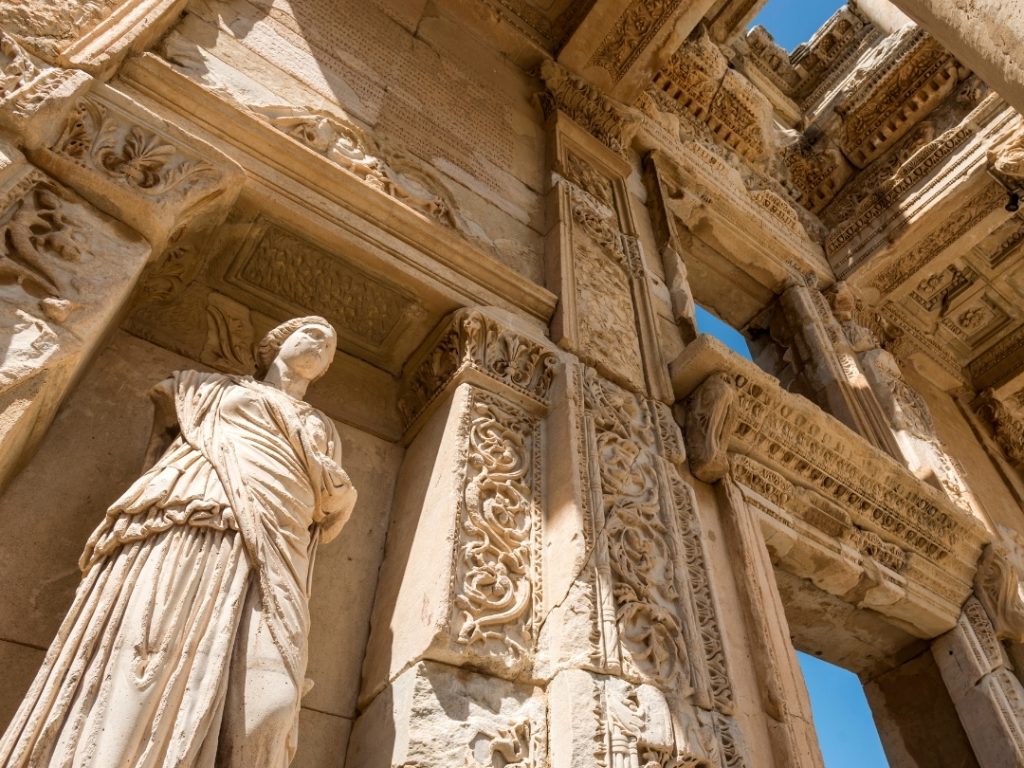

Göbeklitepe
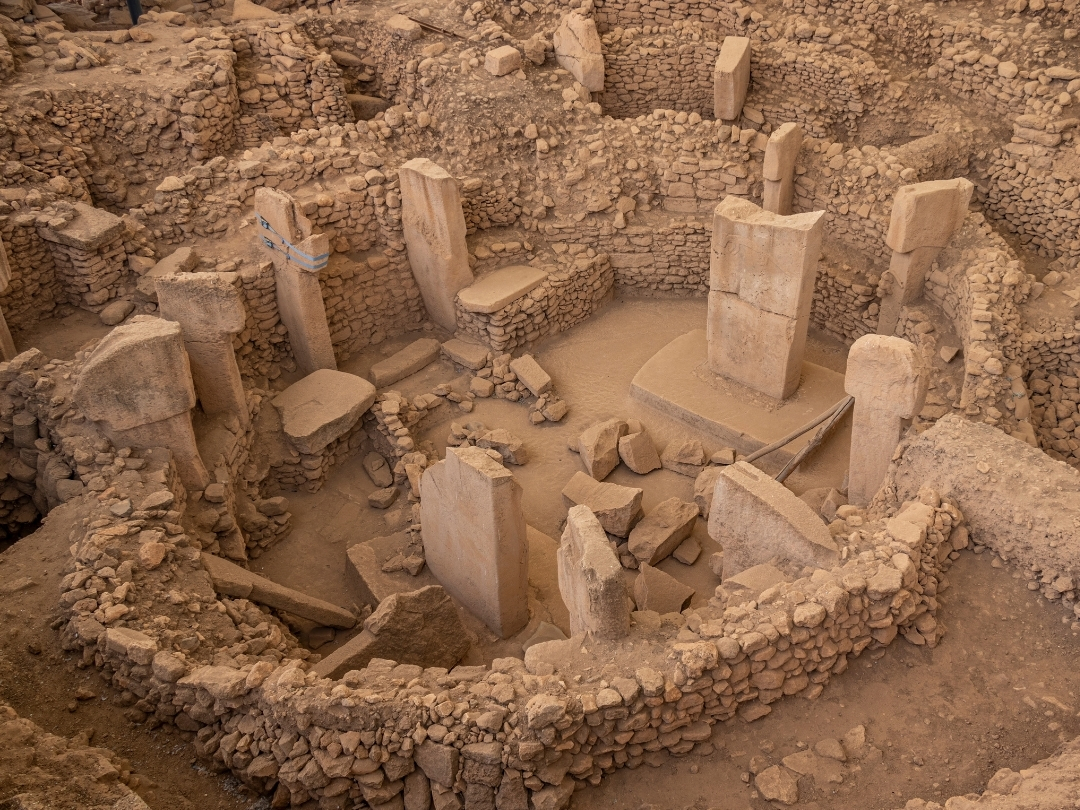
- The Vibe: This is not just an archaeological site; it is the ground zero of human history. Standing amongst these 12,000-year-old T-shaped megaliths, you are in the world's first known temple, built by hunter-gatherers. The atmosphere is one of profound mystery and awe. It fundamentally changes your perception of the ancient world.
- The Signature Experience: Contemplating the intricately carved animal reliefs—foxes, snakes, cranes—and realizing they were created before the invention of pottery, writing, or the wheel. The experience is about feeling the immense intellectual and spiritual leap that humanity took on this very hill.
- Curator’s Tip: Visit the Şanlıurfa Archaeology Museum before you go to the site. The museum houses many of the best-preserved artifacts and a stunning life-size recreation of the temple, which provides essential context and makes your visit to the actual site infinitely more meaningful.
Ephesus
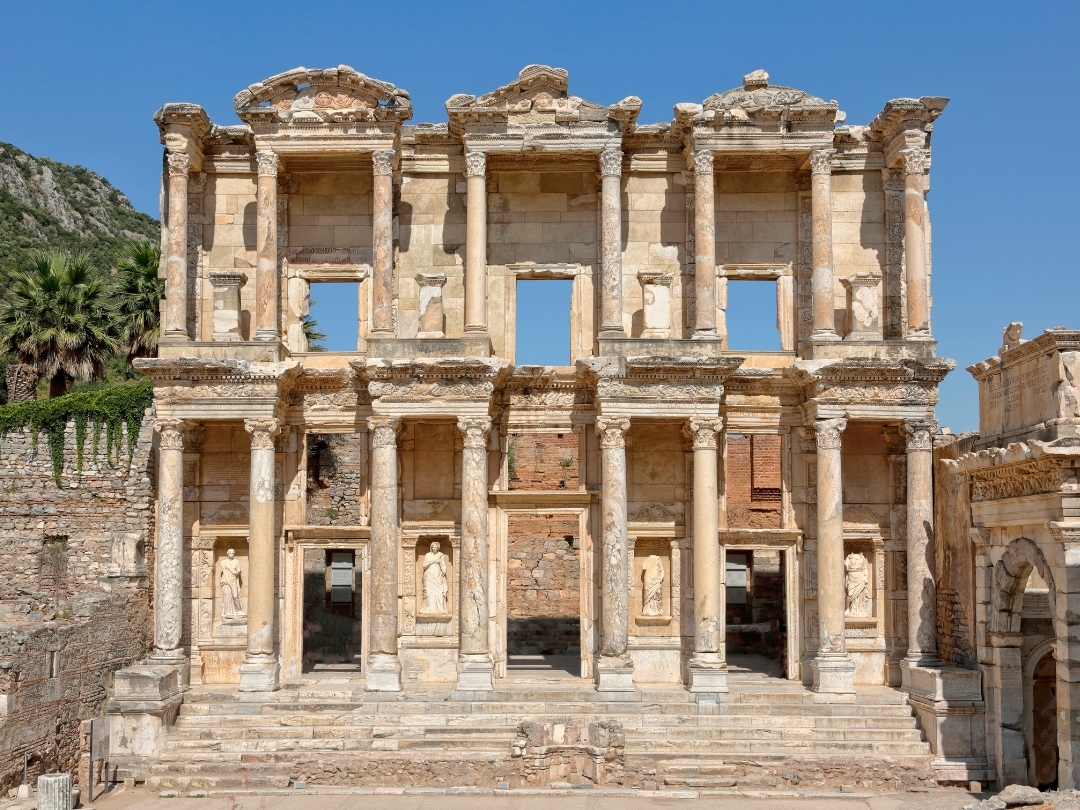
- The Vibe: Walking through Ephesus is to walk through the power and sophistication of the Roman Empire. The sheer scale of the Library of Celsus, the Great Theatre, and the marble-paved streets creates an atmosphere of unparalleled grandeur. This was a vibrant, cosmopolitan center of commerce, culture, and faith.
- The Signature Experience: The iconic view of the Library of Celsus is a must, but the true experience is walking the path from the upper gate to the lower gate. This allows you to experience the city as an ancient visitor would have, with new wonders revealing themselves at every step.
- Curator’s Tip: Don't miss the Terrace Houses (Yamaç Evleri). This "site within a site" (separate ticket required) contains the breathtakingly preserved homes of Ephesus's elite, complete with stunning mosaics and frescoes, offering an intimate glimpse into Roman domestic life.
Pergamon
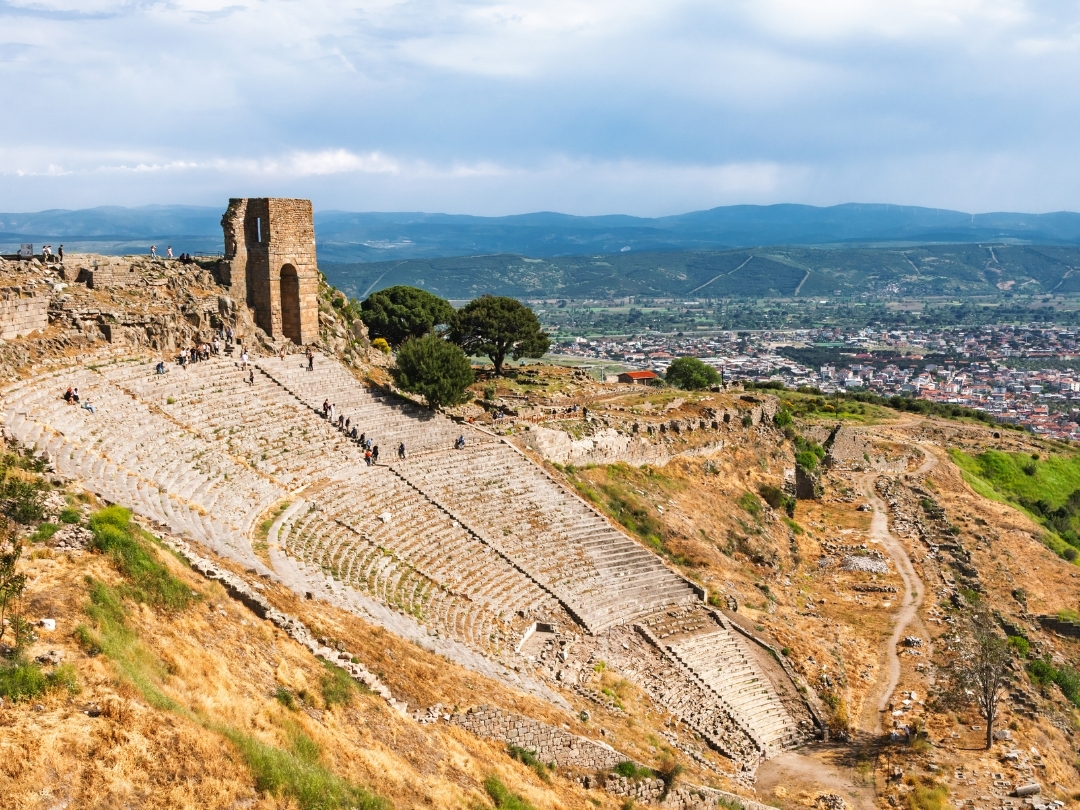
- The Vibe: Pergamon exudes power. Its Acropolis is perched dramatically on a high hill, creating a sense of dominance and ambition. This was a Hellenistic capital, a major center of learning with a library that rivaled Alexandria's, and home to a famous healing center.
- The Signature Experience: Standing at the top of the breathtakingly steep Theatre, carved into the hillside. The view is dizzying and unforgettable. Exploring the separate Asclepion complex, a sanctuary dedicated to the god of healing, feels like a journey into the ancient world of medicine and spirituality.
- Curator’s Tip: Use the cable car for the ascent to the Acropolis. It saves time and energy, and the views on the way up are spectacular. The base of the Pergamon Altar, whose main structure is now in Berlin, is still a sight to behold.
Hierapolis
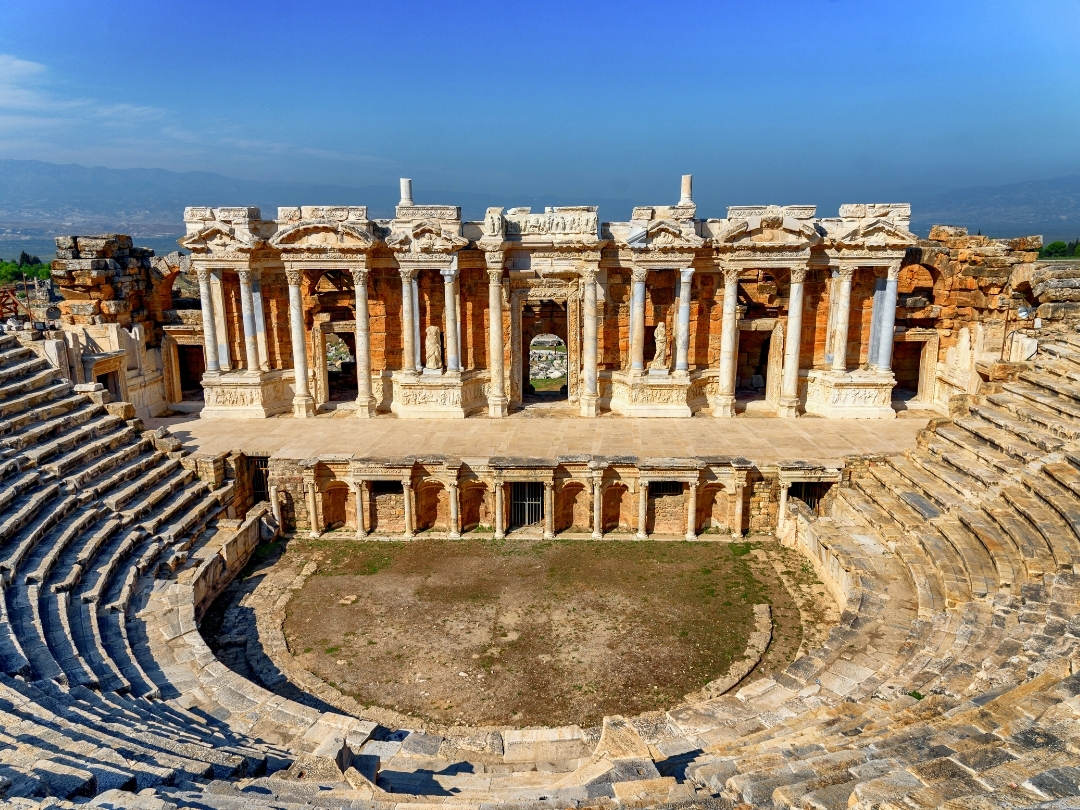
- The Vibe: The brilliant white travertine terraces of Pamukkale ("Cotton Castle") are a natural wonder, but the Roman spa city of Hierapolis built atop them is a historical marvel. The vibe is a surreal fusion of the natural and the man-made, a sacred landscape of healing waters and ancient stones.
- The Signature Experience: Wading barefoot in the warm thermal waters flowing over the travertines is a must. But the ultimate experience is swimming in the Antique Pool (Cleopatra's Pool), where you paddle amongst submerged, authentic Roman columns.
- Curator’s Tip: The site is huge. Don't just stay at the travertines. Walk through the monumental gates and explore the vast Necropolis (cemetery), one of the best-preserved in Turkey, to truly appreciate the scale of the ancient city.
Troya
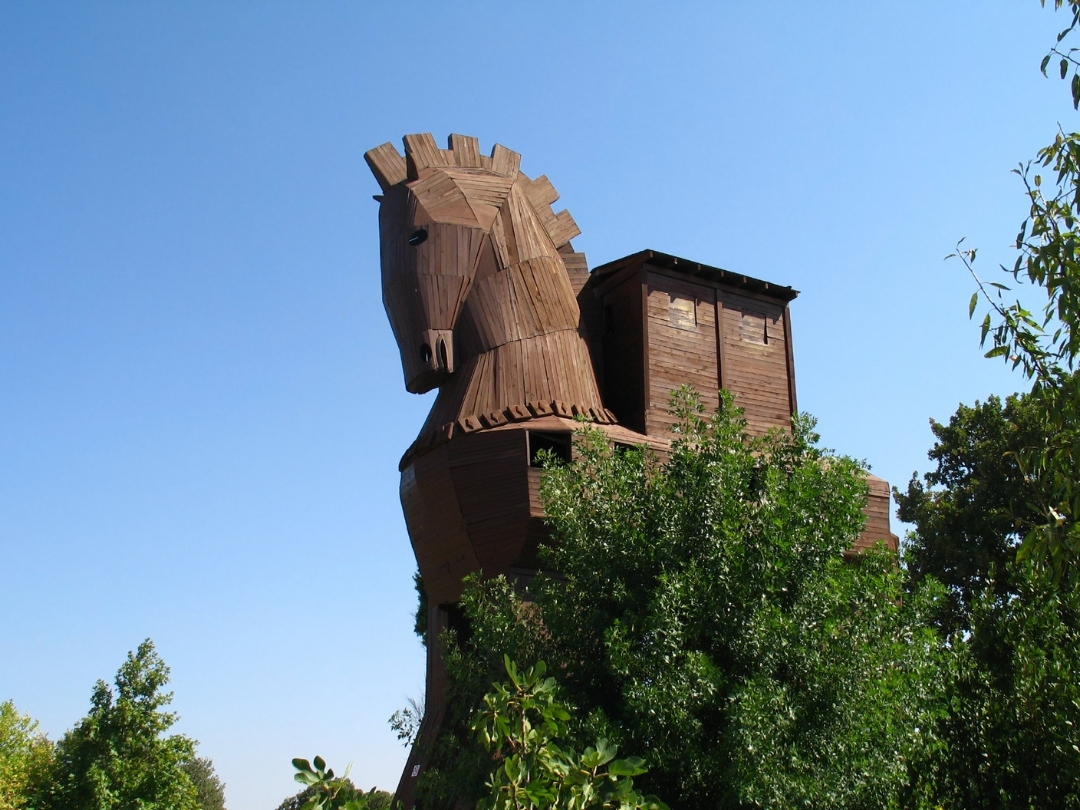
- The Vibe: Troy is more than just ruins; it's the physical setting of Homer's Iliad, one of the foundational stories of Western civilization. The atmosphere is thick with legend. As you walk through the nine layers of the city, you can almost hear the echoes of Achilles, Hector, and Helen.
- The Signature Experience: Seeing the different layers of the city walls, which are the real stars of the site. The guide or audio guide is essential here to understand how the city evolved over 3,000 years. Standing on the ramparts where King Priam might have watched the Greek ships is a powerful moment.
- Curator’s Tip: The new Troy Museum, located near the entrance, is world-class and an absolute must-visit. It brilliantly tells the story of the site and its excavations, housing incredible artifacts that bring the legend to life.
Enrich Your Exploration

Four Seasons:
Bosphorus, Perfected


Garenta: Discover More of Istanbul
the landmarks; experience the
real city. Garenta offers the freedom to discover Istanbul's hidden treasures at your own pace.

Nemrut Mountain
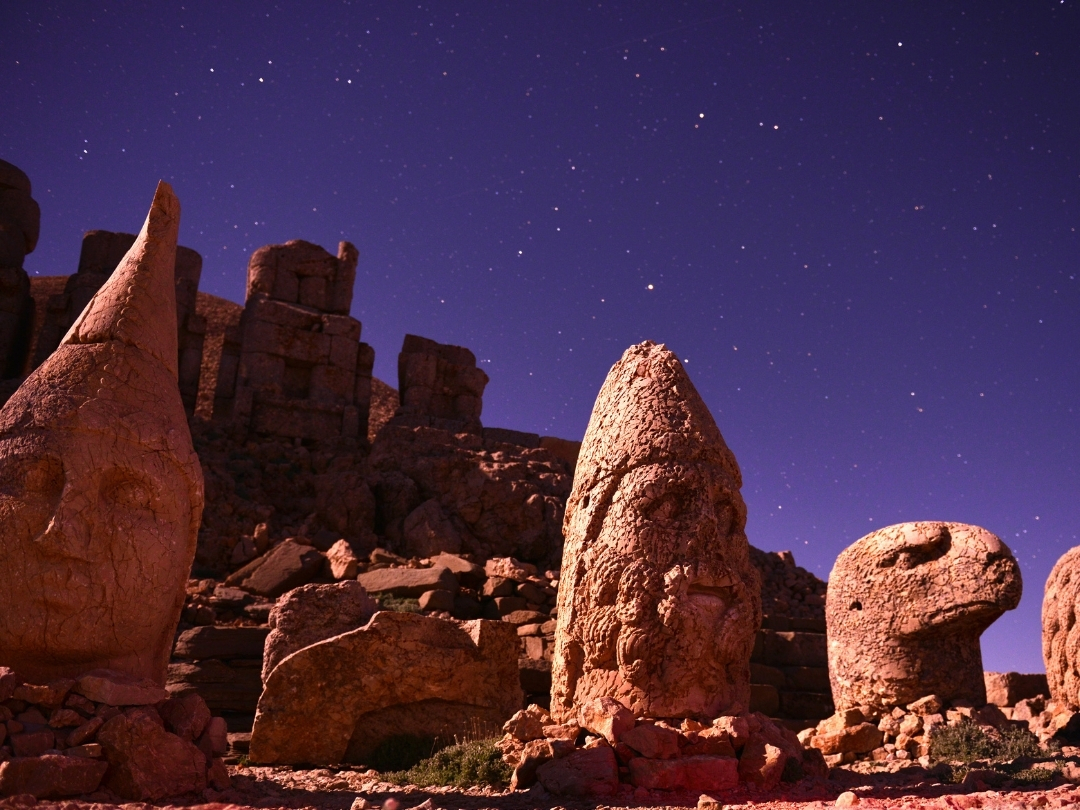
- The Vibe: At over 2,000 meters, this is one of the most mysterious and atmospheric sites in the world. The colossal stone heads of Greco-Persian gods, toppled by earthquakes, sit silently on the summit. The vibe is one of divine ambition, solitude, and the inexorable power of time.
- The Signature Experience: Witnessing the sunrise or sunset from the summit. As the sun casts its golden light on the stone heads, the experience becomes deeply spiritual and otherworldly. There is nothing else like it on Earth.
- Curator’s Tip: This is a pilgrimage, not a casual visit. Even in summer, it is freezing cold at sunrise. Dress in layers, including a hat and gloves. The journey up the mountain is part of the adventure.
Hattusa
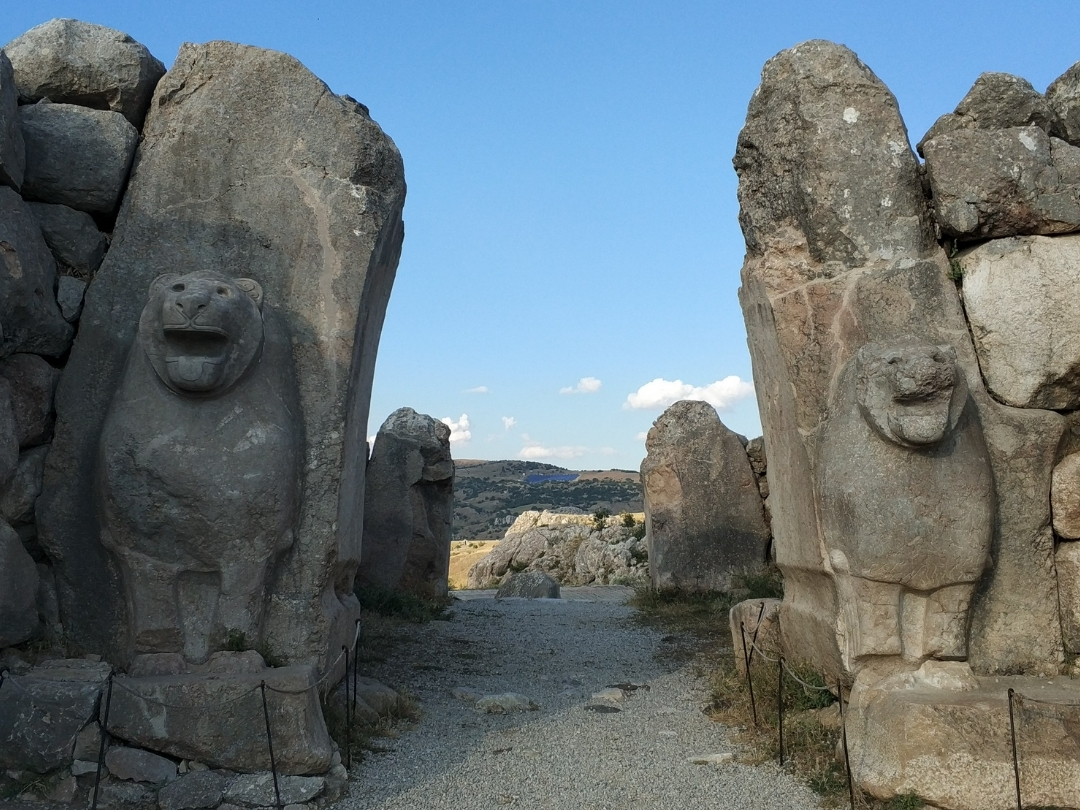
- The Vibe: Walking through the vast, rugged landscape of Hattusha, you are in the heart of the great Hittite Empire, a superpower that rivaled ancient Egypt. The atmosphere is one of raw, ancient power. The massive stone walls, the Lion Gate, and the Sphinx Gate evoke a formidable and sophisticated civilization.
- The Signature Experience: Visiting the nearby open-air rock sanctuary of Yazılıkaya. The carved reliefs of the entire Hittite pantheon of gods and goddesses on the rock faces of two natural chambers are a truly unique and sacred sight.
- Curator’s Tip: The site is enormous. It is highly recommended to explore it by car, stopping at the major points of interest. A guide is invaluable for deciphering the history and layout of this complex city.
Aphrodisias
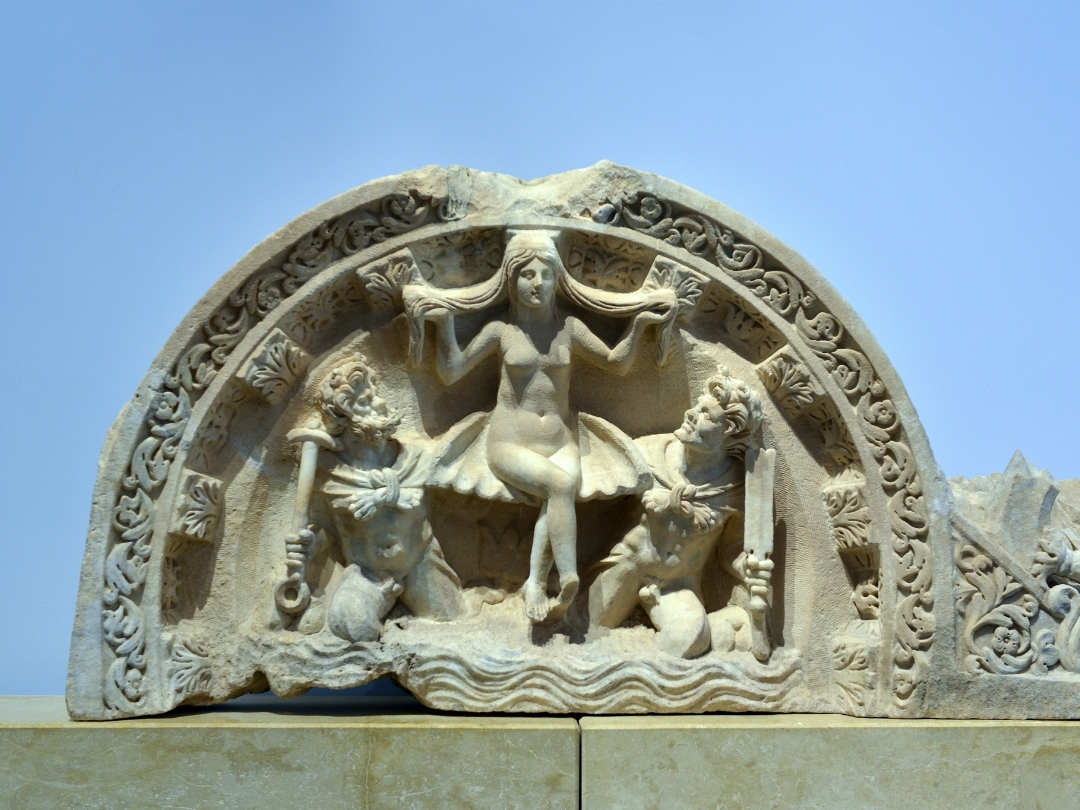
- The Vibe: Dedicated to Aphrodite, the goddess of love, this ancient city is remarkably well-preserved and achingly beautiful. It was a major center for sculpture, and the quality of the marble work is breathtaking. The vibe is serene, artistic, and far less crowded than Ephesus.
- The Signature Experience: The monumental Tetrapylon gateway and the colossal Stadium are highlights. However, the true soul of the site is found in the on-site museum, which houses the stunning sculptures created here. It is one of the best site museums in the world.
- Curator’s Tip: Aphrodisias requires a dedicated trip but rewards the effort with a sense of discovery and peace. Allow plenty of time for the museum; it is as important as the site itself.
Journey with Confidence
Acıbadem Hospitals Group: Global Excellence in Healthcare
While you immerse yourself in the rich history of Istanbul, your well-being is protected by a future-focused healthcare leader. Acıbadem provides world-class medical services, from comprehensive health screenings to advanced treatments, all delivered with a commitment to your safety and comfort.
Travel with the assurance that you and your loved ones are in the most capable hands.

Neolithic Site of Çatalhöyük
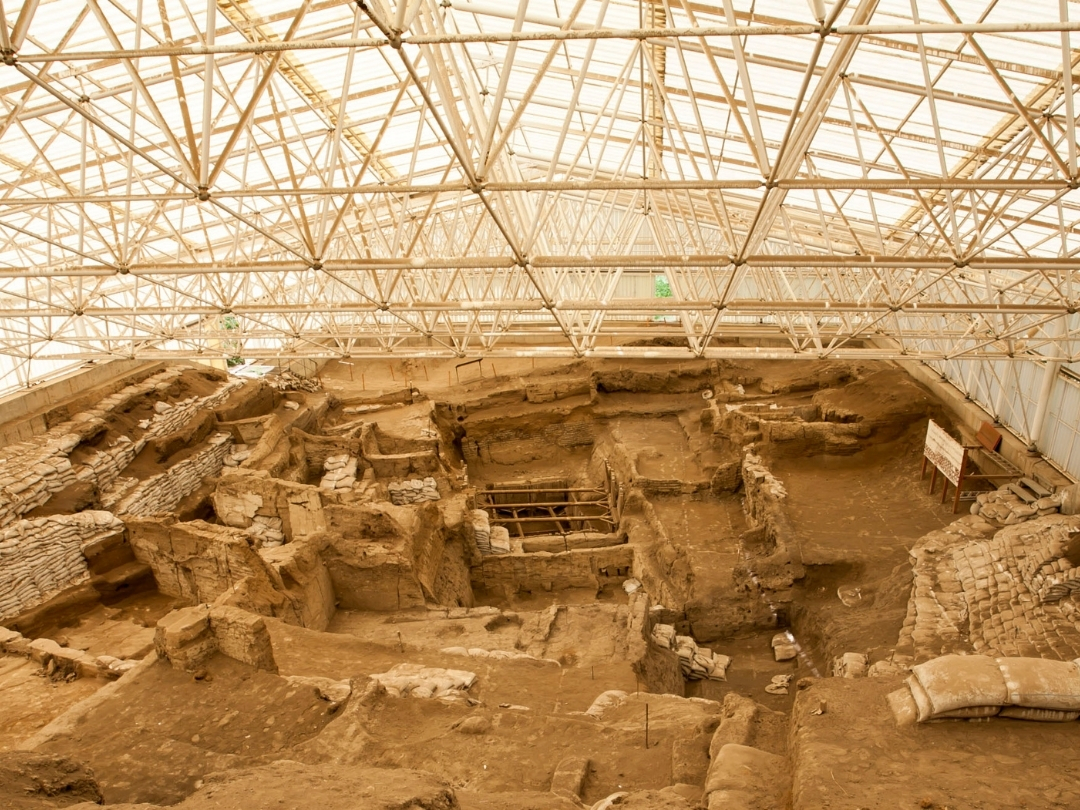
- The Vibe: This is not a city of grand monuments, but something far more profound: one of the world's first urban settlements, dating back 9,000 years. The vibe is intellectual and archaeological. You are looking at the very beginning of community living, art, and religion in a domestic setting.
- The Signature Experience: Seeing the excavated houses, which were entered from the roof, and understanding how the community lived without streets. The on-site experimental house, a modern reconstruction of a Neolithic dwelling, brilliantly brings the ancient lifestyle to life.
- Curator’s Tip: Çatalhöyük is for the serious history enthusiast. It’s a subtle site that requires imagination and a good guide or guidebook to appreciate its immense importance in the story of human civilization.
Xanthos-Letoon
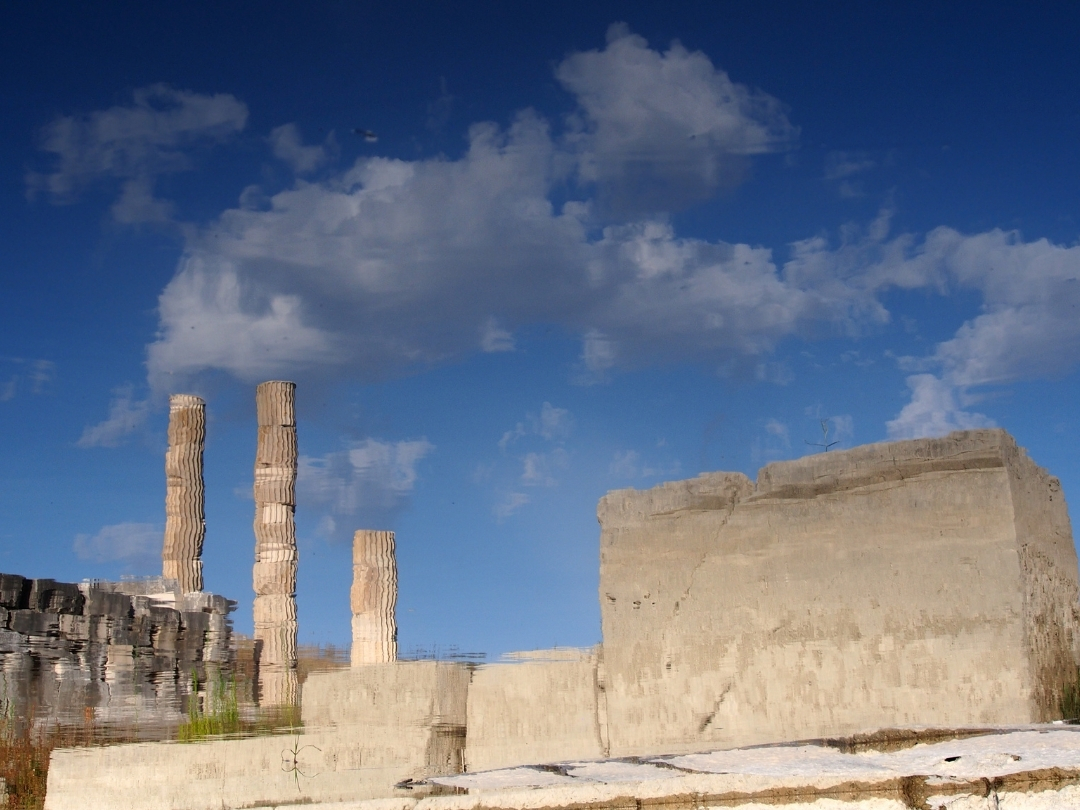
- The Vibe: These twin sites represent the unique and fascinating Lycian culture. Xanthos, the capital, is a dramatic city on a cliff with its famous pillar tombs. Letoon was the sacred spiritual center, a sanctuary dedicated to the gods. The vibe is one of a distinct, proud, and ancient culture.
- The Signature Experience: At Xanthos, seeing the Harpy Tomb and the other monumental pillar tombs that are unique to Lycian culture. At Letoon, seeing the foundations of the three temples dedicated to Leto, Apollo, and Artemis, partially submerged in water, creates a beautifully melancholic and serene atmosphere.
- Curator’s Tip: These two sites are just a few kilometers apart and should be visited together. They provide a complete picture of the political (Xanthos) and religious (Letoon) heart of the Lycian League, one of the ancient world's first democratic unions.
FAQ: About Best Ancient Sites in Turkey
What is a UNESCO World Heritage Site and why is it important?
A UNESCO World Heritage Site is a landmark or area selected by the United Nations Educational, Scientific and Cultural Organization (UNESCO) for having cultural, historical, scientific, or other form of significance. These sites are legally protected by international treaties and are considered important to the collective interests of humanity. Visiting a UNESCO site in Turkey means you are experiencing a place of “outstanding universal value” that has shaped the story of civilization.
Is it possible to visit all of these 10 ancient sites in a single trip?
While ambitious, it is technically possible but not recommended for a short holiday. These 10 sites are spread across different regions of Turkey, from the Aegean coast (Ephesus, Troy) to the Southeast (Göbekli Tepe, Nemrut Dağı). A more practical approach is to plan a regional trip. For example, you can easily combine Ephesus, Pergamon, and Troy in a one-week Aegean road trip. A separate trip would be needed to fully appreciate the wonders of Southeastern Anatolia.
Do I need a guide to visit these UNESCO ancient sites?
While you can visit all of these sites independently, hiring a licensed professional guide can profoundly enhance your experience. A good guide brings the ruins to life with stories, historical context, and details you would otherwise miss. For complex sites like Ephesus or Göbekli Tepe, a guide is highly recommended to understand the significance of what you are seeing. At the very least, renting an audio guide at the entrance is a great option.
What is the best time of year to visit Turkey's ancient sites?
The best time to visit most of Turkey’s ancient sites is during the spring (April-June) and autumn (September-November). During these months, the weather is pleasantly warm for walking, the landscapes are often green and beautiful, and you avoid the intense heat and larger crowds of the peak summer season (July-August). Sites in the Southeast, like Göbekli Tepe, can be extremely hot in summer, making a spring or autumn visit far more comfortable.
Which of these UNESCO ancient sites is considered the "oldest"?
By a staggering margin, Göbekli Tepe is the oldest on this list and is, in fact, considered the world’s first known temple, dating back approximately 12,000 years. This predates Stonehenge by 6,000 years and the Egyptian pyramids by 7,000 years, fundamentally rewriting our understanding of early human civilization and the origins of religion and social gathering.
